


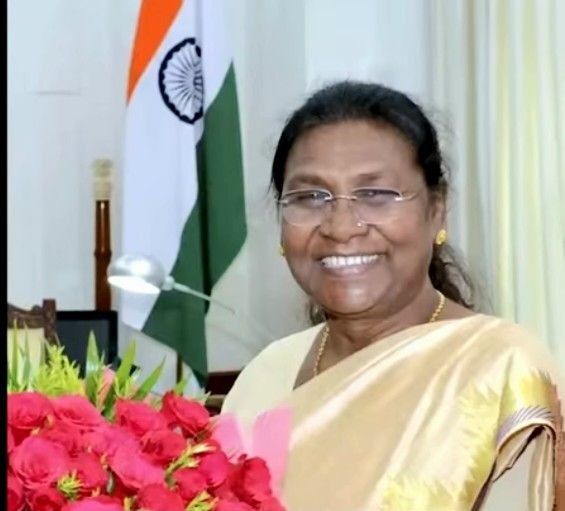
The Garoland State Movement Committee (GSMC) has formally renewed its long-standing Garoland statehood demand, submitting a petition to President Droupadi Murmu to consider the creation of a separate Garoland state. The proposed state would be carved out of Garo-majority areas in western Meghalaya and parts of Assam, fulfilling decades of demand by the indigenous Garo tribal community.
This move has reignited political debates across Northeast India, bringing the contentious issue of tribal self-determination, autonomy, and regional identity back into the spotlight.
A Brief History of the Garoland Statehood Demand
Decades-Old Struggle for Recognition
The demand for a separate Garoland has existed since the 1990s, shortly after Meghalaya attained statehood in 1972. The Garo people, who make up nearly one-third of Meghalaya’s population, have long felt underrepresented in state policies and have cited neglect of their cultural identity and economic needs as reasons for wanting a separate state.
The GSMC has worked alongside other groups like the Garo Hills State Movement Committee (GHSMC) to advocate for peaceful negotiations and constitutional methods, particularly under Article 3 of the Indian Constitution, which allows the formation of new states.
Why the Garoland Demand Has Resurfaced
Frustration Over Governance and Representation
The GSMC cited “continued marginalization, poor infrastructure development, and lack of tribal-specific welfare schemes” as key reasons for the renewed Garoland statehood demand. In their petition, they urged the President to initiate formal discussions on state bifurcation, respecting the rights of indigenous communities.
Speaking to the media, GSMC leader Elwin Sangma said:
“We have followed democratic and constitutional means for decades. Our people want administrative autonomy and cultural preservation through Garoland.”
Areas Proposed for the Garoland State
Garo-Dominated Regions in Focus
The petition outlines that the proposed Garoland state would include:
- The five districts of Garo Hills: West, East, South, North, and South West Garo Hills (in Meghalaya)
- Garo-inhabited regions in Goalpara and Kamrup districts of Assam
These regions are predominantly inhabited by Garo-speaking populations and have unique socio-linguistic and cultural identities distinct from the Khasi and Jaintia communities in eastern Meghalaya.
Political and Legal Challenges Ahead
Centre Yet to Respond Officially
As of now, the Union Government has not issued an official statement on the latest petition. The creation of a new state under Article 3 requires:
- A recommendation from the President of India
- Consultation with the State Legislatures concerned
- Approval by Parliament
Analysts suggest that, similar to the Bodoland movement in Assam, the Garoland statehood demand may face stiff resistance from existing state governments due to concerns over territorial integrity and administrative complexity.
Mixed Reactions in Northeast Politics
Some Support, Others Oppose
While several tribal rights activists and regional parties have backed the Garoland movement, mainstream political parties in Meghalaya and Assam have expressed reservations.
The Chief Minister of Meghalaya, in a press release, urged the GSMC to engage in dialogue rather than division. Meanwhile, Garo student unions and youth bodies have welcomed the move, holding peaceful rallies in Tura and Williamnagar.
Socio-Economic Factors Driving the Demand
Development Lag Fuels Discontent
The Garo Hills continue to face:
- Poor road connectivity
- Inadequate healthcare infrastructure
- High dropout rates in education
- Limited tribal employment schemes
According to a 2024 NITI Aayog report, the Human Development Index (HDI) for Garo Hills is significantly lower than Meghalaya’s Khasi region. Activists argue that only state-level autonomy can ensure region-specific policymaking.
READ MORE: Dibrugarh Cholera Outbreak: 5 Dead, 2 Cases Confirmed
A Peaceful Movement Seeking a Constitutional Solution
No Violence, Just a Democratic Voice
What sets the Garoland statehood demand apart from many past statehood agitations in India is its non-violent and constitutional approach. The GSMC continues to emphasize peaceful advocacy through memorandums, public consultations, and democratic mobilization.