


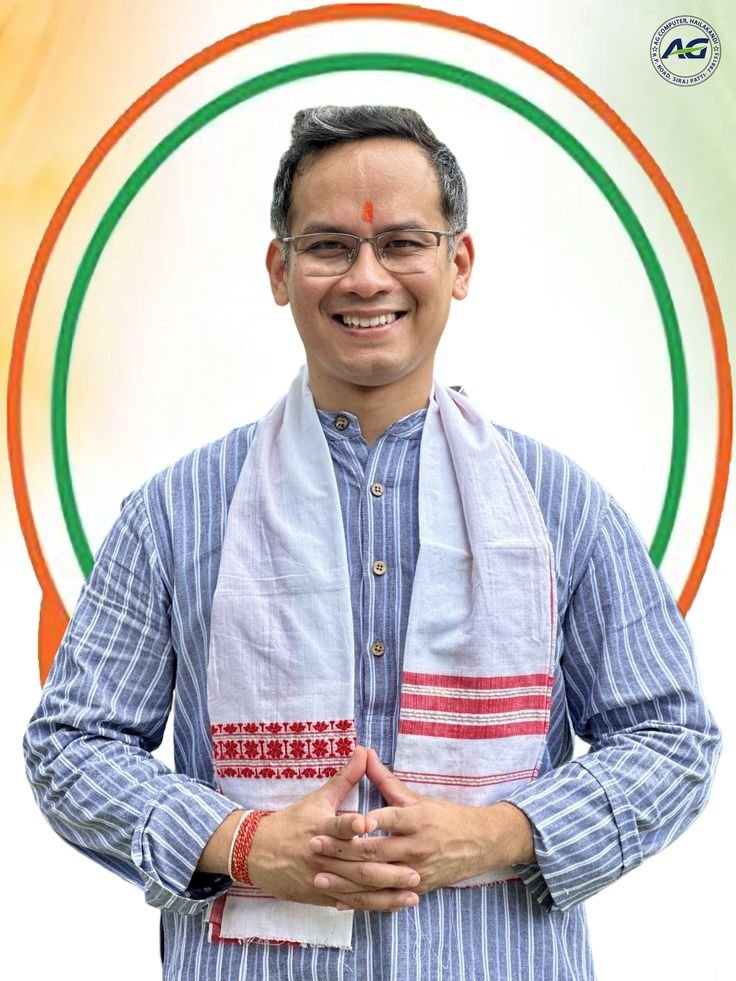
Tezpur, Assam: In a significant development, Congress leader Gaurav Gogoi backs Tezpur University students who are demanding the resignation of their Vice-Chancellor. The students allege administrative failures, lack of transparency, and declining academic standards under the current leadership. Gogoi’s support has amplified their voices, turning a campus protest into a regional political issue.
This move highlights the growing tension between student communities and university administrations across Assam, while also drawing national attention to the state of higher education in India.
Background of the Student Protest
The agitation began when students at Tezpur University raised concerns about mismanagement and alleged irregularities in the functioning of the Vice-Chancellor’s office. They claim that decisions affecting academic programs and student welfare were taken without consultation.
As the protests gained momentum, students organized sit-ins, rallies, and social media campaigns. Their demand is clear: the Vice-Chancellor must step down to restore credibility and accountability in the institution.
Gaurav Gogoi’s Intervention
Political Support for Students
Congress leader Gaurav Gogoi, known for his vocal stance on education and youth issues, visited Tezpur University and expressed solidarity with the students. He stated that their demands were legitimate and deserved immediate attention.
By backing the students, Gogoi has not only strengthened their movement but also placed the issue firmly on Assam’s political agenda.
Why Gogoi’s Support Matters
- Gogoi is a prominent Congress leader in Assam, and his intervention adds weight to the students’ demands.
- His involvement signals that the issue is no longer confined to the campus but has broader implications for governance and accountability in higher education.
Student Voices: Calls for Change
Students at Tezpur University have welcomed Gogoi’s support. “We feel heard now. Our struggle is not just about one person—it’s about the future of our university,” said a student leader.
Others emphasized that the protest is about safeguarding academic integrity. “We want transparency, fairness, and a Vice-Chancellor who listens to students,” another student added.
Regional Impact in Assam
Higher Education Under Scrutiny
The controversy at Tezpur University has sparked debates across Assam. Parents, educators, and civil society groups are questioning the effectiveness of university governance.
Political Ripple Effect
With Gaurav Gogoi backing Tezpur University students, the issue has gained traction in Assam’s political discourse. Opposition parties are likely to use this as an example of administrative failure, while ruling authorities may face pressure to respond.
Legal and Administrative Implications
If the Vice-Chancellor resigns, it could set a precedent for accountability in Assam’s higher education institutions. On the other hand, if the administration resists, the protests may escalate, leading to further unrest.
Experts argue that the case underscores the need for reforms in university governance, including:
- Transparent decision-making processes
- Stronger student representation in administrative bodies
- Independent oversight mechanisms
National Context: Education and Politics
The Tezpur University protest reflects a larger trend in India where students are increasingly vocal about governance issues. From Delhi University to Jawaharlal Nehru University, student movements have often shaped national debates.
Support Student Voices
Education is the backbone of progress. Therefore, it is crucial to support students who demand accountability and transparency.
👉 If you are an alumnus, parent, or concerned citizen, engage with student movements responsibly. 👉 Share verified information to amplify their voices. 👉 Encourage dialogue between students and administrators to find constructive solutions.
READ MORE: Samiran Begum Convicted Under POCSO Act in Assam
The fact that Gaurav Gogoi backs Tezpur University students demanding the resignation of their Vice-Chancellor marks a turning point in Assam’s education landscape. It demonstrates the power of student activism and the importance of political support in amplifying their concerns.
As the situation unfolds, one thing is clear: the future of Tezpur University depends on accountability, transparency, and the collective will of its students and leaders.