


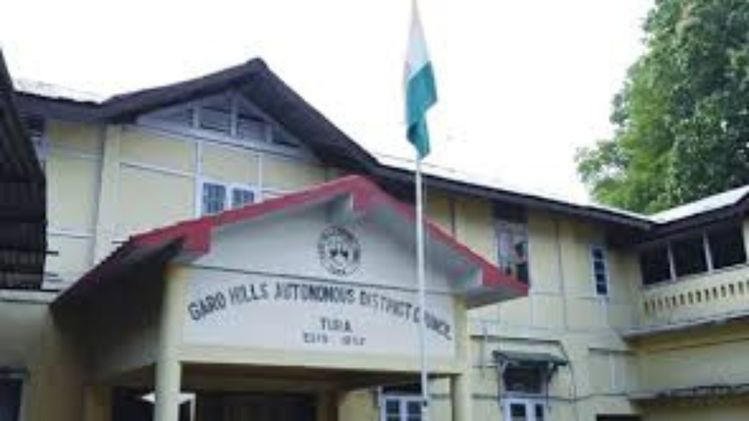
GHADC bars non-tribals council polls Meghalaya decision has marked a historic shift in the political and administrative landscape of the state. After nearly 70 years, the Garo Hills Autonomous District Council (GHADC) has introduced a major change by restricting non-tribals from contesting council elections.
This decision has sparked widespread discussions across Meghalaya and beyond. While some have welcomed the move as a step toward protecting indigenous rights, others have raised concerns about inclusivity and representation.
Read More: NDA candidates unite in Guwahati ahead of Assam elections
Historic decision reshapes council elections
The Garo Hills Autonomous District Council has taken a landmark step by barring non-tribals from contesting its elections. This marks a significant departure from past practices, where individuals from different communities could participate in the electoral process.
Leaders supporting the decision argue that it aligns with the council’s mandate to safeguard the interests of indigenous communities. Therefore, they believe the move will strengthen local governance and cultural preservation.
Moreover, the decision reflects a broader effort to reinforce traditional institutions and ensure that leadership remains rooted in local communities.
Background of GHADC and its role
The GHADC functions as an autonomous body under the Sixth Schedule of the Constitution. It plays a crucial role in administering areas related to culture, land, and local governance in the Garo Hills region.
Over the decades, the council has been instrumental in preserving the customs and traditions of indigenous communities. However, the participation of non-tribals in elections had remained a debated issue.
With this new decision, the council aims to redefine its electoral framework and reinforce its original objectives.
Support for protecting indigenous rights
Supporters of the move have praised it as a necessary step to protect the rights and identity of indigenous communities. They argue that allowing only tribal candidates ensures that governance remains closely aligned with local traditions.
In addition, they believe that the decision will empower local leaders who have a deeper understanding of community needs. This, in turn, could lead to more effective decision-making.
Furthermore, advocates highlight that similar provisions exist in other autonomous councils. Therefore, they see the move as consistent with broader policies aimed at protecting indigenous interests.
Concerns over inclusivity and representation
Despite support from many quarters, the decision has also raised concerns. Critics argue that barring non-tribals from contesting elections may limit inclusivity in the democratic process.
They believe that participation should remain open to all residents, regardless of their background. Therefore, they have called for a balanced approach that considers both representation and inclusivity.
Moreover, some observers have questioned the long-term implications of the decision. They emphasize the need for dialogue to address concerns and ensure fairness.
Legal and constitutional aspects
The decision by GHADC has also drawn attention to legal and constitutional considerations. Autonomous councils operate under specific provisions, which grant them certain powers.
However, any major change in electoral rules must align with constitutional principles. Therefore, legal experts are likely to examine the implications of this decision.
In addition, the move may lead to discussions at higher levels of governance. Authorities may review its impact to ensure compliance with existing laws.
Political reactions and responses
Political leaders in Meghalaya have responded to the development with varying perspectives. Some have supported the decision, highlighting its importance for protecting indigenous identity.
Others have expressed reservations, emphasizing the need to maintain democratic inclusivity. As a result, the issue has become a topic of political debate.
Moreover, the decision could influence future political strategies in the region. Parties may adjust their approaches based on the new electoral framework.
Impact on upcoming council polls
The new rule is expected to have a significant impact on upcoming GHADC elections. Candidate selection processes will change, with only tribal candidates eligible to contest.
This could alter the dynamics of the elections, as parties and independent candidates adapt to the new guidelines. In addition, voter behavior may also be influenced by the change.
Furthermore, the decision may encourage greater participation among tribal communities. Leaders believe it will create opportunities for local representation.
Broader implications for governance
The move by GHADC reflects a broader trend of emphasizing local governance and cultural preservation. It highlights the importance of aligning administrative structures with community needs.
At the same time, it raises questions about balancing tradition with inclusivity. Policymakers will need to address these concerns to ensure effective governance.
Moreover, the decision may inspire similar discussions in other regions with autonomous councils. This could lead to a re-evaluation of electoral frameworks across different areas.
Conclusion: A defining moment for Meghalaya politics
The development that GHADC bars non-tribals council polls Meghalaya marks a defining moment in the state’s political journey. It represents a significant shift aimed at protecting indigenous rights and strengthening local governance.
However, the decision also brings challenges related to inclusivity and legal considerations. Addressing these issues will be crucial for ensuring a balanced approach.
In conclusion, Meghalaya is witnessing an important phase of transformation. The impact of this historic decision will unfold in the coming years, shaping the future of governance and representation in the region.
Read More: Intense political activity marks final nomination day in Assam