


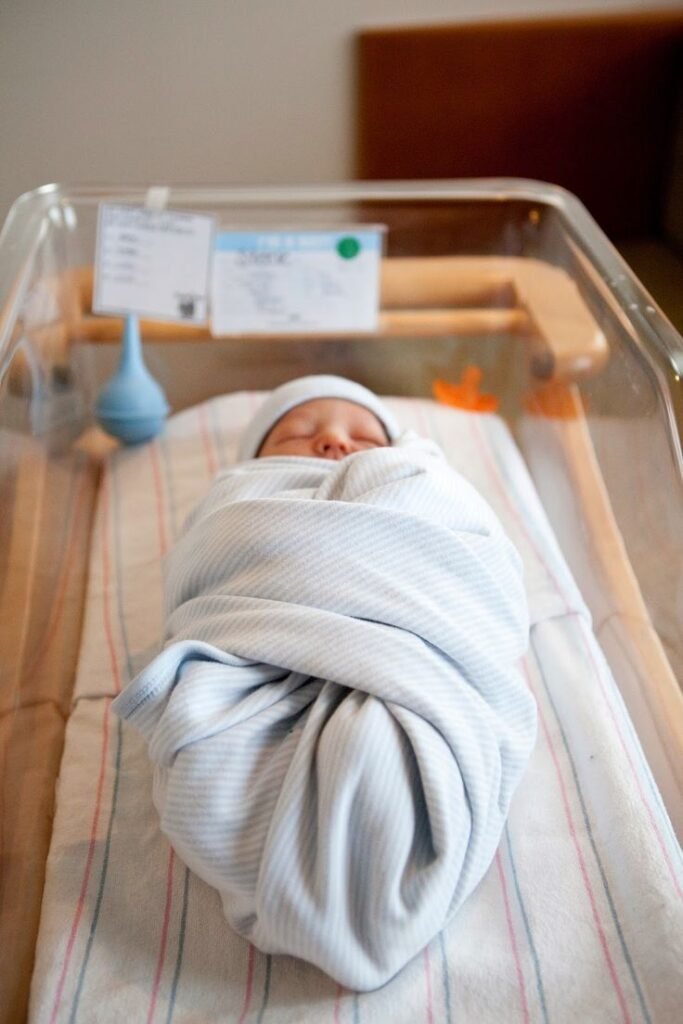
A heartbreaking incident at Gauhati Medical College Hospital (GMCH) has stirred public anger and renewed scrutiny of Assam’s healthcare system. A newborn died after being placed on a bed with two other infants, despite the hospital having enough equipment to avoid such overcrowding.
The tragic GMCH newborn death case has triggered swift action from the state government. Assam Chief Minister Himanta Biswa Sarma has suspended the nurse on duty and launched a high-level investigation.
Hospital Negligence Led to Infant’s Death
Three Babies, One Bed: A Preventable Tragedy
The infant death occurred in GMCH’s Neonatal Intensive Care Unit (NICU). Shockingly, the staff placed three newborns on a single bed, a decision that violated standard neonatal care guidelines.
Sources from within the hospital confirmed that incubators and beds were available at the time, contradicting initial claims of a shortage. This suggests poor coordination and gross negligence by medical staff on duty.
Immediate Government Response
CM Orders Nurse Suspension and Investigation
After receiving details of the incident, CM Himanta Biswa Sarma suspended the nurse responsible for the NICU shift. He also formed a three-member committee to investigate the lapse.
“There is no excuse for such carelessness. We will ensure accountability,” said CM Sarma in a press release.
The Chief Minister has planned a late-night inspection of GMCH to assess hospital operations and staff accountability firsthand.
Public Anger Mounts Over GMCH’s Safety Failures
Citizens, NGOs, and Activists Demand Reform
The incident has sparked major backlash across Assam. Activists, civil society groups, and concerned citizens are demanding answers. The hashtags #GMCHDeath and #AssamHealthcareFail are trending on X (formerly Twitter).
Several NGOs, including Assam Health Watch, have asked the government to conduct a full audit of neonatal wards in all state hospitals.
“One life lost is one too many. GMCH must be held accountable,” said activist Rina Borthakur.
Recurring Issues at GMCH Raise Alarms
Overcrowding Not a New Problem
While GMCH is known for its advanced medical facilities, it regularly suffers from overburdened staff, overcrowded wards, and resource mismanagement. Past reports have revealed similar concerns in departments like emergency and maternity care.
A 2024 audit by the Assam Health Department highlighted these operational weaknesses. Despite recommendations, few structural changes were made.
Healthcare Experts Recommend Systemic Changes
Proposals to Prevent More Deaths
Following the GMCH newborn death, healthcare professionals are suggesting immediate reforms:
- Install real-time NICU monitoring systems
- Increase nurse-to-patient ratios
- Digitize bed management systems
- Mandate regular staff training and audits
If implemented quickly, these changes could prevent more avoidable tragedies.
CM’s Visit Signals Urgency
High-Level Attention to Healthcare Crisis
CM Sarma’s decision to personally visit the hospital underlines the seriousness of the case. Officials say he plans to speak with doctors, inspect facilities, and meet families affected by negligence.
This visit is expected to accelerate both disciplinary actions and long-term policy changes.
Opposition Blames Systemic Collapse
Political Leaders Speak Out
Leaders from opposition parties have also condemned the incident. Congress MLA Debabrata Saikia criticized the government’s “token punishment” approach.
“Suspending one nurse won’t fix a broken system. The GMCH newborn death shows deep structural failures,” he said during a press meet in Guwahati.
Wider Implications for Assam’s Healthcare
This incident highlights the urgent need to overhaul Assam’s public health system. With rising population demands and stagnant healthcare reforms, facilities like GMCH are under immense pressure.
Until changes are implemented, more lives could be at risk.
READ MORE: Himanta Sarma Warns Visitors in Assam
The GMCH newborn death is a tragic reminder of what happens when oversight and care vanish from critical services. As Assam reels from the news, its people demand justice—not just for one child, but for every patient who deserves safe, competent care.