


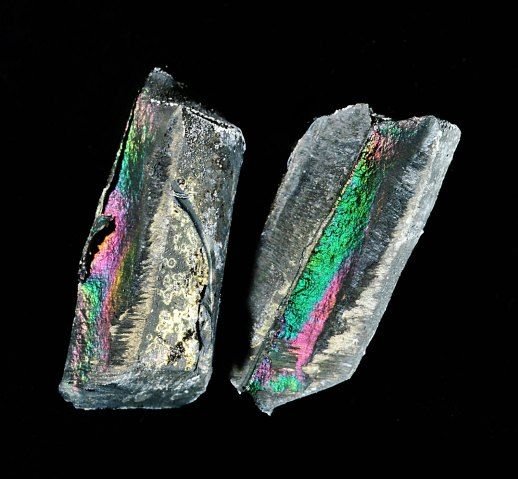
In a major breakthrough, the Geological Survey of India (GSI) discovers critical minerals in Northeast India, unlocking strategic resources vital for the country’s future. The newly identified deposits include lithium, graphite, cobalt, vanadium, and rare earth elements (REEs)—all essential for clean energy technologies, defense manufacturing, and high-tech industries.
This discovery positions India to reduce its dependence on foreign imports, especially from China, and strengthens its push toward self-reliance under the Atmanirbhar Bharat initiative.
Strategic Importance: What It Means That GSI Identifies Critical Minerals in Northeast India
The minerals discovered are classified as critical due to their limited availability and indispensable role in modern technologies. Here’s why each mineral matters:
- Lithium: Key component in electric vehicle (EV) batteries and energy storage systems.
- Graphite: Used in batteries, lubricants, and refractories.
- Cobalt: Vital for rechargeable batteries and aerospace-grade alloys.
- Vanadium: Enhances steel strength and is used in grid-scale batteries.
- Rare Earth Elements (REEs): Crucial for wind turbines, smartphones, and defense electronics.
These minerals are not just industrial inputs—they are strategic assets. The fact that GSI identifies critical minerals in Northeast India means India can now tap into domestic sources to fuel its green transition and national security.
State-Wise Breakdown: Where GSI Identifies Critical Minerals in Northeast India
| State | Minerals Found | Strategic Relevance |
|---|---|---|
| Arunachal Pradesh | Graphite, Rare Earth Elements | Border state with high extraction potential |
| Assam | Vanadium, Rare Earth Elements | Adds to Assam’s industrial diversification |
| Nagaland | Cobalt, Rare Earth Elements | Boosts local mining economy and employment |
| Manipur | Lithium, Graphite | Supports India’s EV and battery manufacturing goals |
The mineral mapping by GSI is expected to lead to exploration licenses, investment opportunities, and infrastructure development in these states.
Economic Impact: How GSI Identifies Critical Minerals in Northeast India Boosts Growth
The discovery is a game-changer for both regional development and national strategy:
- Reduces import dependency on China and other mineral-exporting nations.
- Strengthens Make in India and Atmanirbhar Bharat initiatives.
- Attracts foreign and domestic investment in mining and refining.
- Creates jobs and boosts local economies in tribal and remote regions.
- Supports clean energy goals, including solar, wind, and EV adoption.
By ensuring that GSI identifies critical minerals in Northeast India, India is positioning itself as a future leader in the global mineral supply chain.
Environmental & Social Considerations
While the discovery is promising, it also raises questions about sustainable mining and community impact. The Northeast is ecologically sensitive and home to diverse tribal cultures. Responsible extraction will require:
- Eco-friendly mining technologies
- Community engagement and consent
- Rehabilitation and skill development programs
- Biodiversity protection measures
The government is expected to frame policies that balance economic growth with environmental stewardship.
Future Outlook: What’s Next Now
The next steps include:
- Detailed exploration and feasibility studies
- Public-private partnerships for mining and processing
- Setting up mineral refineries and tech parks
- Integration with India’s clean energy and defense supply chains
India’s Ministry of Mines and GSI are likely to collaborate with state governments and private players to fast-track development. The fact that GSI identifies critical minerals in Northeast India could also lead to the creation of strategic mineral reserves, much like petroleum reserves.
Why the World Should Care
This discovery is not just a regional story—it’s a national and global one. As countries race to secure critical minerals for the future, India’s Northeast emerges as a strategic resource hub. The fact that GSI identifies critical minerals in Northeast India signals India’s readiness to lead in clean energy, defense, and technological innovation.
READ MORE: Golden Langur Assam Threat: Habitat Loss and Electrocution Risk