


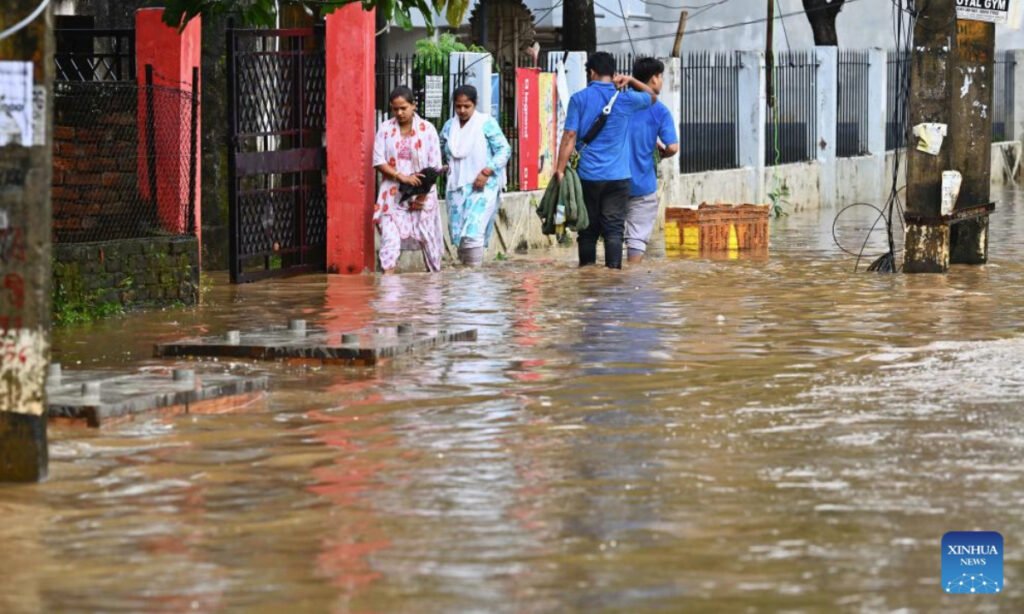
The Guwahati urban flooding review has gained urgency after heavy monsoon rain submerged several major roads and disrupted daily life across the city. Waterlogging paralyzed key traffic corridors, delayed public transport, and affected thousands of commuters. In response, municipal authorities launched a comprehensive assessment of the city’s stormwater drainage network to identify weaknesses and improve flood management. Engineers, civic officials, and disaster management agencies continue monitoring conditions while preparing measures to reduce the impact of future urban flooding.
Barak River Surges Trigger Yellow Alert
Tripura Secures Rs 11 Crore in Business Commitments at Queen Pineapple Global Festival
Heavy Rain Brings Traffic to a Standstill
The Guwahati urban flooding review began after intense rainfall overwhelmed the city’s drainage network and flooded several major roads. Consequently, traffic slowed across key intersections, while many commuters remained stranded for hours. Water also entered low-lying neighbourhoods and commercial areas, disrupting normal business activities.
Meanwhile, emergency teams cleared blocked drains and removed debris from water channels to improve drainage. Traffic police diverted vehicles from heavily flooded roads and guided motorists toward safer routes. In addition, civic workers monitored vulnerable locations throughout the day to prevent further disruption.
Although rainfall eased later, several roads remained waterlogged for hours. Therefore, authorities continued monitoring the affected areas until water levels receded.
Municipal Authorities Review Drainage Infrastructure
The Guwahati urban flooding review has prompted the municipal administration to examine the city’s stormwater drainage system. Engineers are inspecting drainage channels, culverts, and pumping stations to identify structural weaknesses and maintenance gaps. At the same time, technical teams are reviewing drainage designs to improve water flow during intense rainfall.
Furthermore, officials are studying flood-prone locations that experience repeated waterlogging during every monsoon season. They also plan to recommend engineering improvements that can strengthen the city’s drainage capacity. As a result, the review will help authorities prioritize future infrastructure projects.
Officials emphasized that regular maintenance and timely desilting remain essential for keeping drainage channels functional throughout the rainy season.
Civic Agencies Strengthen Flood Response
The Guwahati urban flooding review has encouraged civic agencies to strengthen emergency preparedness across the city. Disaster management teams continue monitoring rainfall forecasts and vulnerable neighbourhoods. Meanwhile, municipal workers regularly inspect drains and remove accumulated waste to prevent blockages.
Authorities have also increased coordination with traffic police, emergency responders, and public utility departments. Consequently, agencies can respond more quickly whenever heavy rainfall causes urban flooding. Officials have urged residents to avoid waterlogged roads, report blocked drains, and follow official advisories during severe weather.
In addition, engineers continue collecting field data to support long-term improvements in urban flood management and drainage planning.
Long-Term Solutions Remain a Priority
The Guwahati urban flooding review highlights the growing need for resilient urban infrastructure as extreme rainfall events become more frequent. Officials plan to strengthen drainage systems, improve rainwater management, and expand flood mitigation measures across vulnerable parts of the city.
Moreover, experts recommend regular drain maintenance, improved land-use planning, and better coordination between civic agencies. These measures can reduce waterlogging and improve emergency response during future monsoon seasons. Authorities also intend to use the review findings to guide future infrastructure upgrades and climate resilience projects.
Conclusion
The Guwahati urban flooding review marks an important step toward improving the city’s response to recurring monsoon flooding. Heavy rainfall exposed weaknesses in the existing stormwater drainage network and disrupted transportation across key urban corridors. Therefore, municipal authorities have begun a detailed assessment to strengthen drainage infrastructure and improve flood preparedness. Continued investment in resilient urban planning, regular maintenance, and coordinated emergency response will help reduce future flooding risks and protect residents during severe weather events.
FAQs
1. Why did Guwahati experience severe waterlogging?
Heavy monsoon rainfall overwhelmed the city’s drainage system and flooded several major roads.
2. What prompted the municipal drainage review?
Authorities launched the review after widespread urban flooding disrupted transportation and daily activities.
3. What is the Guwahati urban flooding review?
The Guwahati urban flooding review is a municipal assessment of stormwater drainage infrastructure following heavy rain and widespread waterlogging.
4. What actions are civic authorities taking?
Officials are inspecting drains, clearing blockages, reviewing drainage designs, and strengthening emergency preparedness.
5. How did the flooding affect commuters?
Flooded roads caused traffic congestion, delayed public transport, and disrupted daily travel.
6. What long-term measures are being considered?
Authorities plan to upgrade drainage infrastructure, improve maintenance, and strengthen urban flood management.