


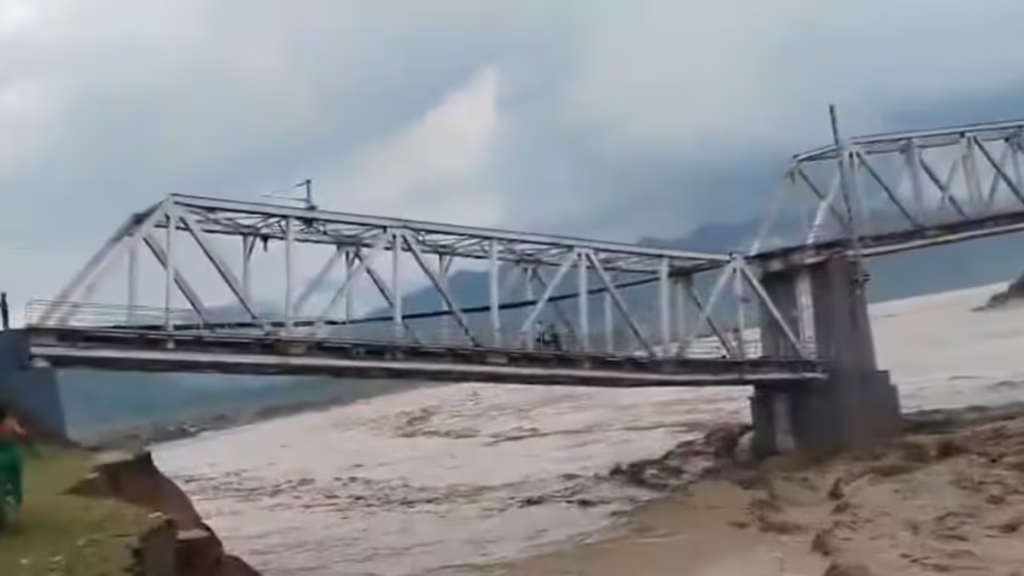
The Dhemaji Train Services Suspension has disrupted rail connectivity after continuous heavy rainfall raised safety concerns over a railway bridge in Assam’s Dhemaji district. Moreover, railway authorities temporarily suspended train operations as a precautionary measure while engineers carried out detailed inspections of the bridge and surrounding infrastructure. Consequently, passenger safety has remained the top priority as restoration work and technical assessments continue.
Village Banishment Order Issued in Connection With NSF Vandalism Row
Statewide Anti-Tobacco Campaign Launched by NHM and IMA to Combat Youth Nicotine Dependency
Dhemaji Train Services Suspension Triggered by Bridge Safety Review
The Dhemaji Train Services Suspension was implemented after heavy monsoon rains affected conditions around a railway bridge, prompting railway officials to conduct safety inspections. Furthermore, authorities temporarily halted train movement to ensure that the bridge met operational safety standards before resuming services.
Railway infrastructure is routinely inspected during adverse weather conditions to prevent accidents and maintain safe operations. Consequently, precautionary suspensions are considered essential whenever structural concerns arise.
Moreover, engineering teams continue evaluating the bridge and nearby railway tracks. Therefore, officials will determine the timing of service restoration based on inspection findings.
Additionally, continuous monitoring remains in place as weather conditions evolve. Thus, passenger safety continues to guide operational decisions.
Heavy Rainfall Impacts Railway Operations
The Dhemaji Train Services Suspension highlights the challenges that prolonged monsoon rainfall can create for transportation infrastructure. Furthermore, rising water levels and saturated ground conditions can affect bridges, embankments, and railway tracks in vulnerable locations.
Severe weather frequently disrupts transportation during the monsoon season. Consequently, authorities monitor infrastructure closely to reduce operational risks.
Moreover, railway maintenance teams remain prepared to undertake repairs wherever required. Therefore, restoration efforts will continue alongside technical assessments.
Similarly, weather forecasts are being reviewed regularly to support operational planning. Additionally, coordination among departments helps improve response efficiency.
Passenger Safety Remains the Top Priority
The Dhemaji Train Services Suspension reflects the railways’ emphasis on prioritizing passenger safety during periods of extreme weather. Furthermore, temporary service interruptions help prevent risks until infrastructure inspections are completed.
Engineering assessments play a critical role in determining the structural stability of railway bridges. Consequently, train operations will resume only after safety requirements are fully satisfied.
Moreover, officials continue informing passengers through official railway updates regarding service changes. Therefore, travelers are encouraged to verify schedules before planning their journeys.
Similarly, emergency response teams remain available if additional weather-related issues arise. Additionally, coordinated action supports the safe restoration of services.
Infrastructure Resilience Supports Future Railway Safety
The Dhemaji Train Services Suspension underscores the importance of resilient transport infrastructure in flood- and rain-prone regions. Furthermore, regular maintenance, bridge inspections, and long-term infrastructure upgrades help improve railway reliability during the monsoon.
Investment in resilient railway infrastructure reduces the impact of extreme weather events. Consequently, preventive engineering measures remain an important aspect of railway safety.
Moreover, collaboration between railway authorities and weather agencies strengthens preparedness. Therefore, timely monitoring allows officials to respond proactively to changing conditions.
Similarly, continued infrastructure modernization enhances operational reliability. Additionally, long-term planning contributes to safer and more efficient railway services.
Conclusion
The Dhemaji Train Services Suspension was implemented after heavy rains raised safety concerns about a railway bridge in Assam’s Dhemaji district. Moreover, railway authorities temporarily halted train operations to allow engineers to inspect the bridge and ensure passenger safety.
Furthermore, continuous monitoring, detailed engineering assessments, and coordinated restoration efforts will remain essential before services are fully resumed. Consequently, the incident highlights the importance of precautionary measures and resilient infrastructure during the monsoon season.
Looking ahead, improved bridge maintenance, enhanced weather monitoring, and sustained investment in railway infrastructure will strengthen the effectiveness of the Dhemaji Train Services Suspension response and improve long-term transportation resilience.
FAQs
1. Why were train services suspended in Dhemaji?
Train services were temporarily halted after heavy rainfall raised safety concerns about a railway bridge in the district.
2. What are railway officials doing?
Engineers are inspecting the bridge and surrounding railway infrastructure before allowing train services to resume.
3. How did the heavy rains affect railway operations?
Persistent rainfall created conditions that required precautionary safety inspections of the bridge and tracks.
4. When will train services resume?
Services are expected to restart only after railway authorities confirm that the bridge and tracks are safe for operations.
5. Why is the Dhemaji Train Services Suspension significant?
It demonstrates the importance of prioritizing passenger safety, conducting timely infrastructure inspections, and strengthening railway resilience during extreme weather events.