


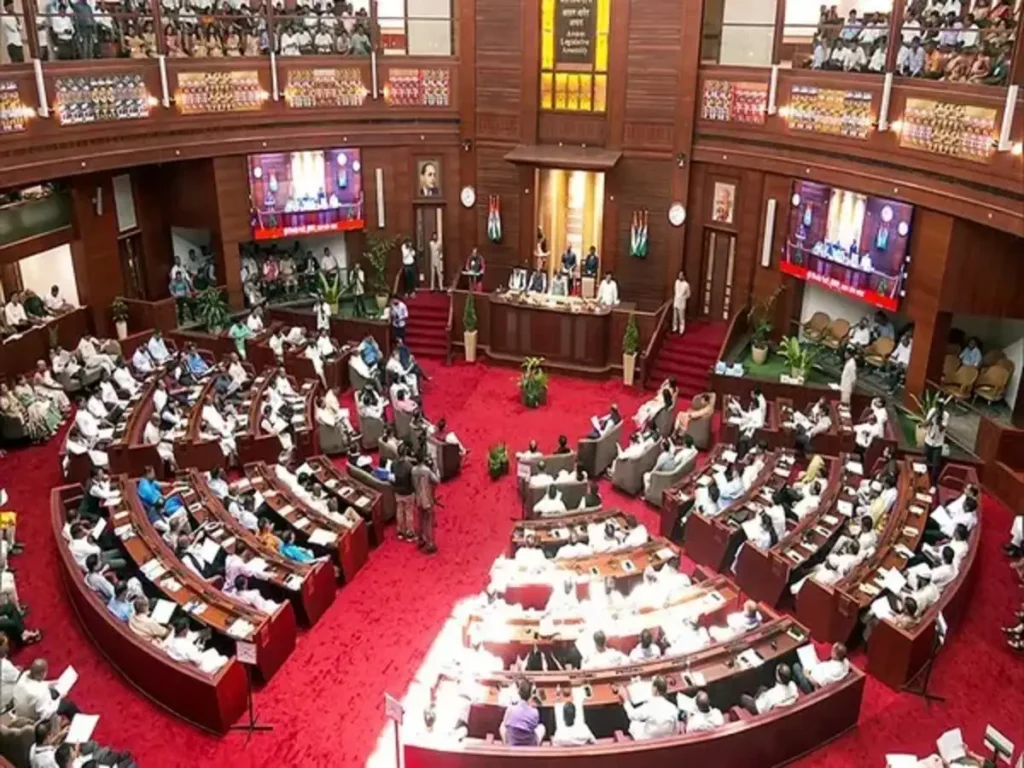
The Assam Electoral Demographics debate gained renewed attention after Chief Minister Himanta Biswa Sarma made remarks regarding the state’s electoral composition and demographic trends. Moreover, the comments came during discussions on electoral representation and voter-related issues in Assam. Consequently, the statements have contributed to ongoing public and political discussions surrounding demographic changes, electoral participation, and governance in the state.
BTR Conservation Expansion Project Unveiled
AIUDF Retains Two Seats in Assam Assembly
Assam Electoral Demographics Discussed by Chief Minister
The Assam Electoral Demographics issue came into focus after Chief Minister Himanta Biswa Sarma shared his views on the state’s electoral composition. Furthermore, the remarks highlighted demographic patterns in the context of electoral representation and public policy.
Electoral demographics play an important role in understanding voter distribution and constituency planning. Consequently, discussions on demographic trends often influence broader policy debates.
Moreover, demographic data is regularly examined by policymakers, election authorities, and researchers to understand population changes. Therefore, such discussions remain relevant to governance and electoral planning.
Additionally, public statements on electoral issues often generate wider political and civic debate. Thus, the topic continues to attract attention across the state.
Electoral Trends Remain Central to Policy Discussions
The Assam Electoral Demographics conversation reflects the importance of voter-related data in democratic governance. Furthermore, demographic trends can influence planning, public administration, and electoral processes.
Election authorities periodically update electoral rolls to ensure eligible voters are accurately represented. Consequently, demographic information remains an important aspect of election management.
Moreover, policymakers often refer to demographic trends while discussing governance and development priorities. Therefore, reliable population and electoral data continue to support informed decision-making.
Similarly, transparent electoral processes strengthen public confidence in democratic institutions. Additionally, regular updates help maintain accurate voter records.
Public Debate Highlights Electoral Representation
The Assam Electoral Demographics discussion has contributed to broader conversations about representation and electoral participation within the state. Furthermore, political leaders, analysts, and citizens continue to express differing perspectives on demographic developments and their implications.
Public discourse is an essential feature of democratic societies. Consequently, discussions on electoral matters encourage greater awareness and civic engagement.
Moreover, democratic institutions provide mechanisms for addressing electoral and governance-related concerns. Therefore, constructive dialogue remains an important part of the political process.
Similarly, informed public debate contributes to stronger democratic participation. Additionally, transparent communication helps citizens better understand policy issues.
Democratic Institutions Continue Electoral Oversight
The Assam Electoral Demographics issue underscores the importance of established democratic institutions in managing elections and maintaining electoral integrity. Furthermore, election-related processes continue under the supervision of the appropriate constitutional authorities.
India’s electoral framework is governed by established legal and constitutional procedures. Consequently, electoral roll revisions, voter registration, and constituency administration follow prescribed regulations.
Moreover, institutional oversight promotes fairness, transparency, and accountability. Therefore, continued adherence to legal processes remains essential.
Similarly, regular public awareness initiatives encourage greater electoral participation. Additionally, strong democratic institutions help maintain confidence in the electoral system.
Conclusion
The Assam Electoral Demographics discussion has gained prominence following Chief Minister Himanta Biswa Sarma’s comments on the state’s electoral composition. Moreover, the remarks have contributed to broader conversations on demographic trends, electoral representation, and governance.
Furthermore, electoral matters remain subject to constitutional procedures and institutional oversight, ensuring transparency and accountability throughout the democratic process. Consequently, informed public discussion and continued adherence to established electoral mechanisms will remain important for strengthening democratic governance in Assam.
Looking ahead, regular electoral roll updates, transparent administration, and constructive public engagement will continue to shape discussions surrounding Assam Electoral Demographics and the state’s democratic institutions.
FAQs
1. What are the Assam Electoral Demographics?
The term refers to the composition and distribution of voters and demographic trends related to Assam’s electoral system.
2. Why did the issue gain attention?
The discussion followed comments made by Chief Minister Himanta Biswa Sarma regarding Assam’s electoral demographics.
3. Why are electoral demographics important?
They help inform electoral planning, voter representation, and public policy discussions.
4. Who oversees electoral processes in Assam?
Election-related activities are conducted under the supervision of the constitutionally mandated election authorities.
5. Why are the Assam Electoral Demographics significant?
They influence electoral planning, representation, and policy discussions while supporting informed democratic governance.