


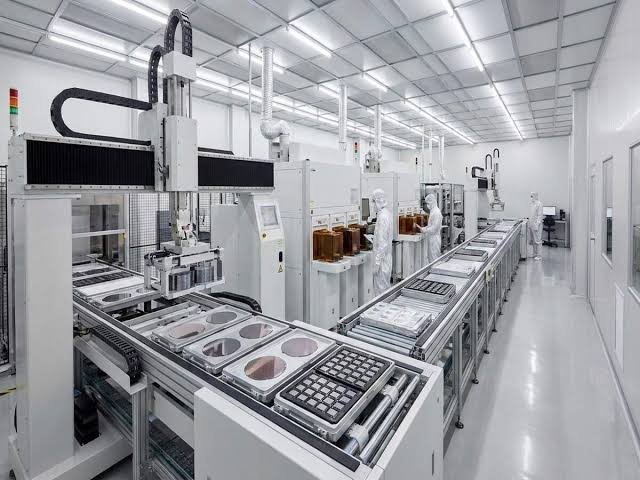
Assam’s proposed ₹27,000-crore Tata Electronics semiconductor plant could become a major industrial catalyst for the state, but experts have highlighted the importance of developing a stable and reliable regional power grid to support such a high-technology facility. Semiconductor manufacturing requires consistent electricity, making dependable power infrastructure a critical part of the project’s wider ecosystem.
The proposed investment could generate activity across manufacturing, logistics, construction, services, and technology-related industries. Moreover, reliable electricity could help Assam attract additional industrial investments that depend on uninterrupted power supply.
The project therefore carries significance beyond the semiconductor facility itself. However, the available information does not provide specific power-consumption estimates for the plant or details of planned grid upgrades.
Mizoram Celebrates First Arjuna Awardee: Lalremsiami Makes State Sports History
Assam Semiconductor Plant Creates New Industrial Potential
The Assam semiconductor plant represents a major proposed technology investment in the state.
A facility of this scale could stimulate demand for supporting services and industrial infrastructure. Furthermore, companies involved in logistics, equipment maintenance, packaging, construction, and specialised services could potentially emerge around the project.
This creates the possibility of a broader industrial ecosystem.
However, the size and pace of any multiplier effect will depend on project execution and the development of supporting infrastructure.
Stable Power Becomes a Critical Requirement
Semiconductor manufacturing depends heavily on reliable electricity.
Modern semiconductor facilities require sophisticated equipment and tightly controlled production environments. Additionally, unexpected power interruptions can disrupt highly sensitive industrial processes and potentially affect production schedules.
A stable regional grid can therefore become a foundational requirement.
However, the specific power requirements of the proposed Assam facility have not been provided in the information available.
₹27,000-Crore Investment Could Transform the Region
The reported ₹27,000-crore investment represents a significant industrial commitment to Assam.
Large-scale investment can create direct employment while generating indirect opportunities for suppliers and service providers. Moreover, infrastructure built around a major project can benefit other businesses operating in the same region.
The potential economic impact could therefore extend beyond the plant itself.
However, the eventual employment and economic multipliers will depend on the project’s operational scale.
Semiconductor Manufacturing Needs Infrastructure
Electricity represents only one part of the infrastructure required by semiconductor operations.
Industrial facilities also need dependable transportation, telecommunications, water systems, waste-management infrastructure, and skilled technical workers. Furthermore, efficient logistics can help companies receive equipment and materials while moving finished products to markets.
A coordinated infrastructure strategy can therefore strengthen the project’s competitiveness.
However, the information provided does not identify all infrastructure projects linked to the facility.
Regional Grid Stability Could Attract More Investment
Improving power reliability can benefit industries beyond semiconductor manufacturing.
Technology companies, data centres, advanced manufacturing facilities, and other energy-intensive businesses often require dependable electricity. Additionally, a stronger regional grid can reduce infrastructure concerns for companies considering investments in the Northeast.
This could create a wider investment multiplier.
However, no specific additional companies or investments have been confirmed as a direct result of the proposed semiconductor plant.
Assam Could Build a Technology Ecosystem
A semiconductor facility can potentially encourage the development of related businesses.
Suppliers, engineering companies, logistics providers, equipment-maintenance firms, and technology service providers may find opportunities around the industrial cluster. Moreover, educational institutions could develop specialised training programmes to prepare workers for emerging technical roles.
Such an ecosystem could strengthen Assam’s position in advanced manufacturing.
However, establishing a complete semiconductor ecosystem would require long-term investment and specialised expertise.
Skilled Workforce Will Be Important
Advanced manufacturing facilities require technically trained employees.
Universities, technical institutes, and vocational organisations could help develop skills relevant to semiconductor production, equipment maintenance, quality control, engineering, and industrial management. Furthermore, local training can increase the proportion of regional workers who benefit directly from new investment.
Workforce development could therefore become an important part of the project’s economic impact.
However, specific training targets have not been provided.
Reliable Electricity Supports Industrial Continuity
Grid reliability can influence both production efficiency and investor confidence.
Industrial companies need predictable electricity availability to maintain operations and manage production schedules. Additionally, businesses considering nearby investments may evaluate the reliability of power and other basic infrastructure before establishing facilities.
Strengthening the grid could therefore support the broader industrial environment.
However, the available information does not provide current reliability figures for the regional power network.
Infrastructure Investment Could Produce Wider Benefits
Power-grid improvements undertaken to support a major industrial project can potentially benefit surrounding communities and businesses.
Better transmission and distribution infrastructure can strengthen electricity availability for households, commercial establishments, and other industries. Moreover, infrastructure improvements can support future industrial development beyond the original investment.
This creates the possibility of a broader regional multiplier.
However, the extent of these benefits will depend on the location and design of future grid investments.
Logistics Will Complement Power Infrastructure
Semiconductor production requires more than electricity.
Factories need efficient supply chains for specialised equipment, materials, packaging, and other inputs. Furthermore, finished products must move through reliable transportation networks to reach customers and distribution centres.
Road, rail, air, and logistics infrastructure will therefore remain important alongside power availability.
However, the specific logistics arrangements for the Assam project have not been detailed.
Local Businesses Could Benefit
Large industrial investments can create opportunities for local enterprises.
Businesses may provide catering, transportation, accommodation, maintenance, construction, security, professional services, and other support functions. Additionally, local suppliers can potentially become part of larger industrial procurement networks.
This can spread the economic benefits beyond direct factory employment.
However, local participation will depend on supplier capabilities and procurement requirements.
Environmental Management Will Also Matter
Large technology facilities require careful environmental management.
Authorities and operators need to address water use, waste management, energy efficiency, and other environmental considerations. Moreover, responsible industrial planning can help balance economic development with environmental protection.
These factors can influence the project’s long-term sustainability.
However, detailed environmental plans for the proposed plant have not been provided in the information available.
What Happens Next?
The development of the semiconductor facility will require continued coordination between the company, state authorities, power agencies, infrastructure providers, and other stakeholders.
Strengthening the regional electricity network could become one of the most important supporting priorities. Furthermore, progress on transportation, workforce development, utilities, and supplier networks will influence how effectively Assam can capture the wider economic benefits of the investment.
The project’s ultimate industrial multiplier will therefore depend on the ecosystem built around the plant.
Conclusion
The proposed ₹27,000-crore Tata Electronics semiconductor plant in Assam could become an important industrial catalyst for the Northeast, but experts have highlighted stable electricity infrastructure as a crucial requirement. Reliable power can support uninterrupted manufacturing while also strengthening Assam’s attractiveness to other technology and industrial investors.
Moreover, the project’s potential multiplier extends beyond the factory through jobs, suppliers, logistics, skills development, and supporting infrastructure. At the same time, Assam will need coordinated investment in power, transportation, utilities, and workforce development to maximise those benefits.
Overall, the Assam semiconductor plant and regional power grid will remain closely connected as the state seeks to establish a stronger advanced-manufacturing ecosystem.
FAQs
1. What is the reported investment in the Assam semiconductor plant?
The proposed Tata Electronics semiconductor facility involves an investment of approximately ₹27,000 crore.
2. Why is a stable power grid important?
Semiconductor manufacturing requires highly reliable electricity because interruptions can disrupt sensitive industrial processes.
3. Could the project benefit other industries?
Yes. A major semiconductor facility could create opportunities for suppliers, logistics companies, technology services, construction firms, and other supporting businesses.
4. What other infrastructure does the project require?
Besides electricity, semiconductor manufacturing needs reliable transportation, telecommunications, water systems, waste management, and skilled technical workers.
5. Could the project attract more investment to Assam?
A successful technology cluster and stronger infrastructure could potentially make Assam more attractive to additional industrial and technology companies.