


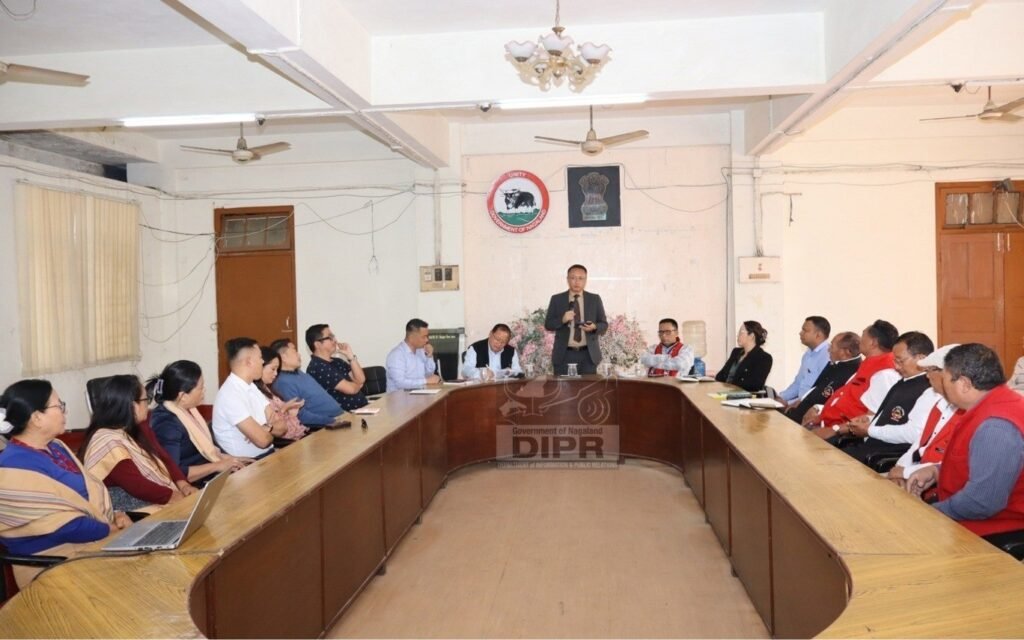
A state government committee in Mizoram has identified critical infrastructure and trade bottlenecks that could limit the economic benefits of major connectivity projects. The committee has called for quick modifications to ensure the state can fully capitalize on the upcoming Kaladan Multi-Modal Transit Transport Project and the Bairabi-Sairang railway link.
The assessment highlights the need to prepare supporting infrastructure alongside major connectivity projects. Moreover, improved logistics, trade facilities, road networks, and border infrastructure could help Mizoram convert better connectivity into wider economic opportunities.
The recommendations come as the state prepares for a potentially significant transformation in transportation and trade.
Engineering Quota Discrepancy: MZP Seeks Governor’s Intervention Over Seven Central Pool Seats
Infrastructure Impact Study Highlights Bottlenecks
The infrastructure impact study has drawn attention to gaps that could restrict the benefits of Mizoram’s major connectivity projects.
Large transport projects can improve access, but their economic impact depends on supporting infrastructure. Furthermore, inadequate roads, storage facilities, customs infrastructure, and logistics systems can create bottlenecks even after new transport links become operational.
The committee has therefore called for timely action before these projects reach their full operational potential.
Kaladan Project Could Transform Trade
The Kaladan Multi-Modal Transit Transport Project represents an important alternative connectivity route for Mizoram.
The project is designed to connect India’s Northeast with Myanmar’s Sittwe Port through a combination of waterways and road connectivity. Additionally, improved access to an international port could create new opportunities for trade and movement of goods.
However, the committee’s concerns suggest that Mizoram needs to strengthen supporting infrastructure to take full advantage of the route.
Bairabi-Sairang Railway Link Adds Connectivity
The Bairabi-Sairang railway link could significantly improve Mizoram’s connection with the wider Indian railway network.
Rail connectivity can reduce transportation costs and improve the movement of passengers and goods. Moreover, reliable rail access can support businesses that depend on efficient supply chains.
The state therefore needs to prepare logistics and commercial infrastructure around the new railway connection.
Trade Infrastructure Needs Attention
Improved connectivity alone does not automatically generate greater trade.
Mizoram needs adequate warehouses, loading facilities, transport terminals, markets, and other supporting infrastructure. Furthermore, efficient customs and border procedures can help businesses move goods more quickly.
The committee’s recommendations highlight the importance of addressing these gaps before increased connectivity creates additional pressure.
Logistics Could Determine Economic Benefits
Logistics will play a central role in determining how effectively Mizoram benefits from new transport links.
Businesses need predictable transportation schedules, storage facilities, and efficient cargo handling. Additionally, better coordination between road, rail, and waterways can reduce delays and improve supply-chain efficiency.
Strengthening the logistics network could consequently increase the commercial value of the state’s new connectivity infrastructure.
Border Trade Opportunities
Mizoram’s location gives it an important position in India’s engagement with Southeast Asia.
The Kaladan route could strengthen trade connections beyond the traditional supply routes through other parts of Northeast India. Moreover, better border infrastructure could help local businesses participate more effectively in regional commerce.
Authorities therefore need to consider trade facilities as part of the wider connectivity strategy.
Local Businesses Could Benefit
Improved transport networks can create opportunities for local producers, traders, manufacturers, and service providers.
Lower logistics costs can make locally produced goods more competitive. Furthermore, easier access to markets can encourage businesses to expand production and explore new commercial opportunities.
However, local enterprises will need adequate support to take advantage of these changes.
Infrastructure Must Keep Pace
New railway and multimodal connectivity can increase demand for roads, terminals, warehouses, and other facilities.
If supporting infrastructure fails to keep pace, congestion and delays could reduce the expected benefits. Additionally, poorly coordinated infrastructure development can create unnecessary costs for businesses and government agencies.
The committee has therefore emphasised timely modifications.
Need for Coordinated Planning
Multiple government departments and agencies will need to coordinate infrastructure development.
Transport, trade, finance, urban development, and border-management authorities may all have roles to play. Moreover, coordination can help ensure that new facilities complement one another rather than developing in isolation.
A unified strategy could make Mizoram’s connectivity investments more effective.
Tourism Could Also Gain
Better connectivity could create benefits beyond trade.
Improved road and rail access can make Mizoram more accessible to domestic and international visitors. Furthermore, stronger transport infrastructure can support hotels, restaurants, local transport operators, handicraft businesses, and other tourism-related enterprises.
The economic impact of the projects could therefore extend across several sectors.
Employment and Economic Growth
Large connectivity projects can also generate new employment opportunities.
Construction creates short-term demand for workers, while improved trade and transportation can support longer-term employment in logistics, tourism, retail, and manufacturing. Additionally, stronger connectivity can encourage new businesses to establish operations in the state.
The committee’s recommendations therefore carry implications for Mizoram’s broader economic development.
What Happens Next?
The state government will need to assess the identified bottlenecks and implement modifications before the major connectivity projects reach full operational scale.
Authorities may need to prioritise logistics infrastructure, trade facilities, roads, and coordination mechanisms. Moreover, early action could prevent avoidable bottlenecks once passenger and cargo movement increases.
The success of Mizoram’s connectivity strategy will ultimately depend on how effectively the state prepares for the new infrastructure.
Conclusion
The infrastructure impact study has highlighted critical bottlenecks that could restrict Mizoram’s ability to benefit fully from the Kaladan Multi-Modal Transit Transport Project and Bairabi-Sairang railway link.
Moreover, strengthening logistics, trade infrastructure, roads, border facilities, and interdepartmental coordination could help the state convert improved connectivity into sustained economic growth. At the same time, early modifications can prevent capacity constraints from undermining the potential benefits of major transport investments.
Overall, Mizoram’s next challenge is not simply building connectivity but creating the supporting infrastructure needed to turn that connectivity into stronger trade, tourism, employment, and regional economic opportunities.
FAQs
1. What projects does the committee’s study focus on?
The study focuses on the Kaladan Multi-Modal Transit Transport Project and the Bairabi-Sairang railway link.
2. What problems did the committee identify?
The committee identified infrastructure, logistics, and trade bottlenecks that could limit the benefits of improved connectivity.
3. Why is the Kaladan project important?
The project could provide Mizoram with an alternative multimodal route for accessing international trade networks through Myanmar’s Sittwe Port.
4. How could the Bairabi-Sairang railway help Mizoram?
The railway link can improve passenger and freight connectivity between Mizoram and the wider Indian railway network.
5. What needs to happen next?
The state needs to make quick infrastructure and logistical modifications so that businesses and communities can take full advantage of the new connectivity.