


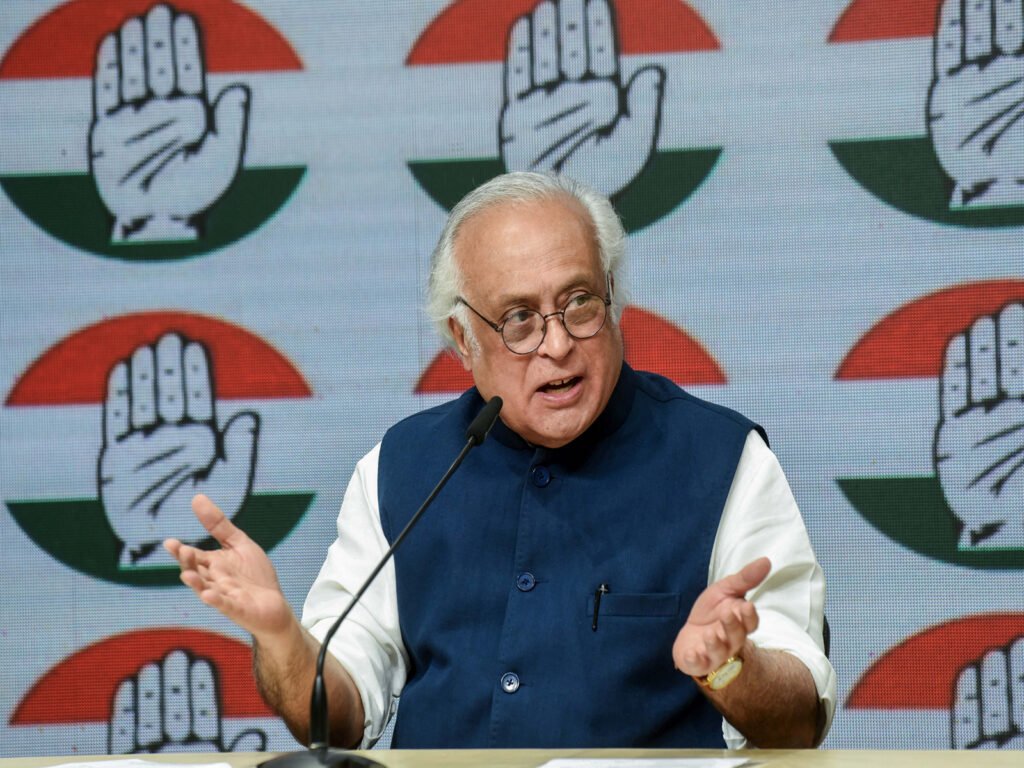
The Jairam Ramesh VB-G RAM G criticism has intensified the national debate over the Centre’s newly introduced rural employment framework. Congress General Secretary Jairam Ramesh argued that the new policy could place additional financial pressure on state governments, including those in the Northeast. He also questioned the revised funding structure and wage provisions, calling for greater consultation with states and stronger safeguards for rural workers.
Sikkim Retains Higher Rural Wage Rate for Select Areas
Assam Launches Special Rural Livelihood Scheme in Dhubri, Expands Guaranteed Employment to 125 Days
Congress Raises Concerns Over Fiscal Burden
The Jairam Ramesh VB-G RAM G criticism centred on the financial implications of the new rural employment framework. Consequently, the Congress leader alleged that the revised structure could increase the fiscal responsibilities of state governments while reducing their flexibility in implementing employment programmes. He urged the Union government to reconsider aspects of the policy and engage in wider consultations with stakeholders.
Meanwhile, Congress maintained that rural employment programmes should continue protecting workers’ interests while ensuring adequate financial support for states.
The criticism has added a political dimension to the rollout of the scheme.
Debate Over Wage Structure and Implementation
The Jairam Ramesh VB-G RAM G criticism also focused on the notified wage rates and the programme’s implementation framework. Congress argued that the wage floor should be increased and expressed concerns that the new system could affect the demand-driven nature of rural employment. The party has called for higher minimum wages and greater financial support from the Centre.
Meanwhile, the Union government has stated that the new framework raises rural wages on average, extends the annual employment guarantee to 125 days, and introduces revised administrative mechanisms for implementation. The contrasting positions have fuelled a broader policy debate.
Northeast States Monitor Policy Impact
The Jairam Ramesh VB-G RAM G criticism has drawn attention to how the new framework could affect states in the Northeast. Finance and rural development departments across the region are reviewing implementation guidelines, funding arrangements, and administrative requirements before adapting their programmes. Officials have indicated that detailed assessments will continue as operational rules are implemented.
Political observers note that the impact on individual states will depend on the scheme’s implementation and funding mechanisms.
Conclusion
The Jairam Ramesh VB-G RAM G criticism has intensified discussions over the future of rural employment policy in India. While Congress has argued that the framework could increase financial pressure on states and weaken worker protections, the Centre maintains that the programme expands employment opportunities and increases wage rates. As implementation progresses, state governments—including those in the Northeast—are expected to continue assessing the scheme’s fiscal and administrative implications.
FAQs
1. Who criticised the VB-G RAM G framework?
Jairam Ramesh criticised the new rural employment framework.
2. What are his main concerns?
He argued that the policy could increase the financial burden on states and called for broader consultation and stronger worker protections.
3. How has the Centre responded?
The Centre says the new framework increases wage rates, extends employment guarantees, and strengthens rural livelihood support.
4. Why is the Northeast mentioned?
Several Northeastern states are reviewing the financial and administrative implications of implementing the new framework.
5. Has Congress opposed the entire scheme?
Congress has criticised several provisions of the framework, including funding arrangements and wage levels, while calling for policy changes.
6. What happens next?
Implementation will continue as states evaluate the scheme and the Centre issues further operational guidance.