


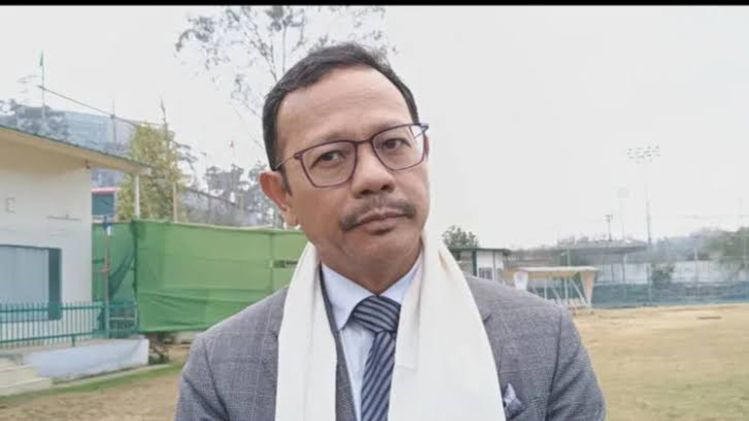
Meghalaya Rajya Sabha MP James P. K. Sangma has urged Delhi Police to register a First Information Report (FIR) over the alleged racial harassment of a youth from Tripura. The incident came to light after a video involving social media content creator Amir Shokeen went viral.
In a letter dated October 20, Sangma wrote to Delhi Police Commissioner Anurag Kumar. He called for an investigation into the video and appropriate legal action if the allegations were established.
According to Sangma, the footage allegedly showed Shokeen referring to the youth as “Chinese” and making derogatory remarks about his appearance and identity. The MP said such conduct could not be dismissed as humour or online entertainment.
He stressed that racial abuse undermines the dignity of people from Northeast India. Moreover, he warned that such incidents could reinforce harmful stereotypes and encourage discrimination against people from the region.
Sangma’s intervention has added to growing calls for accountability. Political leaders and organisations from the Northeast have condemned the alleged incident and demanded a fair investigation. <Cite refs={[“turn846959news13″,”turn846959news3”]}/>
MP Says Racial Abuse Cannot Be Excused as Humour
In his letter, Sangma expressed concern about the treatment of people from Northeast India in Delhi and other metropolitan cities. He said racial slurs, stereotyping and harassment remained serious concerns for people from the region.
The MP argued that the alleged incident was not an isolated matter. Instead, he linked it to broader concerns about prejudice against people because of their physical appearance, ethnicity or regional identity.
Sangma said that if the allegations were proven, the incident would represent more than an offensive joke. It would raise questions about equal treatment, personal dignity and the protection available to people facing racial discrimination.
His statement also highlighted the responsibility of social media creators. Online content can reach large audiences within hours. Therefore, creators must consider the consequences of content that humiliates or targets individuals based on their identity.
The controversy has renewed discussions about racial discrimination faced by people from Northeast India who study, work or live outside their home states. Community representatives have called for stronger action against such behaviour.
Sangma Cites Anjel Chakma Case
Sangma referred to the death of Tripura student Anjel Chakma in Dehradun in December 2025. The case had drawn attention to concerns about racial abuse against people from Northeast India.
Chakma and his brother were reportedly subjected to racial slurs before the attack. The incident sparked grief and anger, prompting demands for justice and stronger safeguards for students and residents from the region.
By referring to the case, Sangma highlighted the potential seriousness of racial hostility. He warned against treating discriminatory remarks as harmless jokes, particularly when they target vulnerable individuals.
However, the circumstances of each incident must be established through a proper investigation. Authorities must examine the available evidence and determine whether any offence has occurred.
Sangma’s appeal reflects a broader demand for preventive action. Leaders from the Northeast have repeatedly called for stronger protections against racial discrimination and improved responses to complaints from affected communities.
Delhi Police Asked to Examine Video and Register FIR
Sangma requested the police commissioner to direct the relevant police station or the Intelligence Fusion and Strategic Operations (IFSO) unit of the Special Cell to examine the video.
He also called for coordination with the Special Police Unit for the North Eastern Region (SPUNER). Established in 2014, SPUNER focuses on issues affecting people from Northeast India, including complaints involving discrimination and harassment.
The MP asked authorities to examine the viral footage and related social media content. He urged them to register an FIR if the available material disclosed a cognisable offence.
Sangma also referred to provisions of the Bharatiya Nyaya Sanhita (BNS), 2023. These included Section 196, which addresses the promotion of enmity between groups on specified grounds, and Section 352, which concerns intentional insult intended to provoke a breach of the peace.
The applicability of these provisions will depend on the facts and evidence. Police must assess the material before deciding which legal sections, if any, apply.
An investigation could also help establish the circumstances surrounding the recording and publication of the video. It would allow authorities to examine the allegations through the proper legal process. <Cite refs={[“turn846959news13″,”turn846959search1”]}/>
Tripura Leaders and Organisations Demand Accountability
The controversy has triggered reactions from political representatives and community organisations in Tripura. Several leaders have demanded legal action against those allegedly responsible for the video.
Tripura Chief Minister Manik Saha has directed the state’s Director General of Police to coordinate with Delhi Police. He said the law would take its course and called for action through the appropriate authorities.
Meanwhile, indigenous organisations in Tripura have filed complaints seeking an investigation. The Youth Tipra Federation and the TIPRA Indigenous Students’ Federation have also demanded legal action over the alleged racial remarks.
Their complaints call for authorities to preserve digital evidence and identify those involved in creating or circulating the video. They have argued that racial insults cannot be justified as entertainment.
The incident has also prompted calls for greater awareness of discrimination against people from the Northeast. Community representatives say authorities must respond promptly when individuals face harassment because of their identity.
The allegations against Shokeen remain subject to investigation. Any criminal liability must be determined through the legal process and supported by evidence. <Cite refs={[“turn846959search8″,”turn846959search9″,”turn846959search11”]}/>
Racial Discrimination Remains a Wider Concern
The case has renewed debate over the treatment of people from Northeast India in other parts of the country. Students and professionals from the region have raised concerns about racial slurs, stereotyping and discrimination.
Such incidents can affect an individual’s sense of safety and belonging. They can also deepen mistrust between communities and discourage people from reporting abuse.
Sangma’s appeal places renewed focus on the role of law enforcement agencies. A prompt and impartial investigation could help establish the facts and determine whether criminal action is warranted.
At the same time, experts and community representatives have stressed the importance of public awareness. Educational institutions, employers and online platforms can help challenge racial stereotypes and encourage respectful behaviour.
The latest controversy also highlights the need for effective support systems. People who face discrimination should be able to report incidents without fear of intimidation or further humiliation.
Calls Grow for Justice and Stronger Protection
Sangma’s letter has added momentum to demands for action over the alleged harassment of the Tripura youth. His appeal centres on accountability, equal treatment and the need to investigate complaints involving racial abuse.
Delhi Police now face calls to examine the available evidence and take appropriate action under the law. Coordination with Tripura Police and SPUNER could also help address concerns raised by the affected community.
Ultimately, the case extends beyond a single viral video. It has reopened important questions about racial discrimination and the safety of people from Northeast India in major cities.
For community representatives, the priority is to ensure that allegations are investigated fairly and that any proven offence receives an appropriate legal response. They also want stronger safeguards to prevent similar incidents.
The outcome of the investigation may influence wider discussions about racial abuse, online accountability and the protection of citizens from the Northeast. For now, leaders are urging authorities to act promptly, preserve evidence and ensure that the youth’s dignity and rights remain central to the process.