


With a sharp uptick in Japanese Encephalitis (JE) cases across several districts, the Assam government is stepping up its public health response with unprecedented urgency. The situation has prompted a multi-pronged strategy focused on vaccination, diagnostic upgrades, surveillance enhancement, and healthcare infrastructure development.
JE Outbreaks Raise Alarms Across Assam
According to the National Vector Borne Disease Control Programme (NVBDCP), Assam has reported over 280 confirmed JE cases and 56 fatalities this year alone—a stark reminder of the virus’s annual resurgence in the monsoon and post-monsoon seasons.
Rural districts such as Dibrugarh, Jorhat, Sivasagar, and Lakhimpur have been the most affected. The state’s Health Minister, Keshab Mahanta, confirmed that the government is treating the spike with “utmost seriousness.”
“Japanese Encephalitis is a public health priority. We are mobilizing all possible resources to ensure effective containment,” Mahanta stated during a press briefing on Tuesday.
Understanding Japanese Encephalitis
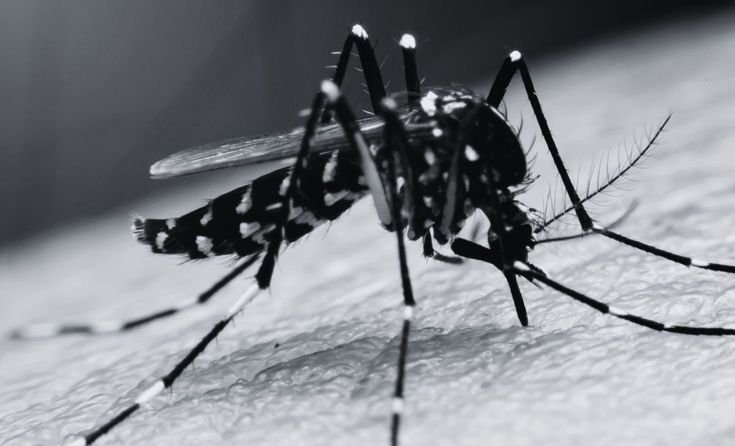
Japanese Encephalitis is a mosquito-borne viral infection that affects the brain. It is primarily spread by Culex mosquitoes, which breed in waterlogged rice fields and stagnant ponds—conditions common in Assam during and after the monsoon.
Symptoms include high fever, vomiting, headaches, and in severe cases, seizures and coma. Without timely medical intervention, JE can lead to permanent neurological damage or death.
Key Government Measures to Combat JE
Massive Vaccination Drive
The cornerstone of Assam’s response is a statewide vaccination campaign targeting vulnerable populations, especially children between 1–15 years of age. The state has already administered over 1.2 million doses of the JE vaccine in high-risk zones.
Improved Diagnostic Capacity
To facilitate early detection, the government has upgraded 20 district hospitals with rapid JE diagnostic kits and ELISA test facilities. Mobile medical units are being deployed in remote areas to conduct door-to-door screenings.
Enhanced Surveillance and Data Mapping
Real-time surveillance using GIS technology and data analytics is helping the state identify emerging hotspots and vector breeding zones. Health workers are using digital tools to ensure accurate case tracking and reporting.
Boost to Healthcare Infrastructure
The state has sanctioned funds to strengthen ICU facilities, pediatric wards, and mosquito-control programs in public hospitals. Over 100 additional doctors and 400 paramedics have been deployed to JE-prone areas.
Community Awareness and Mosquito Control
Public awareness campaigns are in full swing. The state’s Health Department, in collaboration with local Panchayats and NGOs, is educating communities on:
- Using mosquito nets and repellents
- Eliminating stagnant water sources
- Wearing protective clothing
- Reporting early symptoms immediately
School curriculums in affected districts now include JE awareness modules to instill preventive habits in children.
Urgent Call to Action
Assam’s public health challenge is real, but community participation can make a difference. Here’s what you can do today:
Ensure children in your family are vaccinated
Keep your surroundings clean and mosquito-free
Report any fever-like symptoms to the nearest health center immediately
Share this article to spread awareness
Together, we can defeat the menace of Japanese Encephalitis in Assam.
Emergency JE Helpline
Need assistance or information about JE in Assam? Call the 24×7 Health Helpline at 104 or visit your nearest Primary Health Centre (PHC).
READ MORE: Assam Contributes Rs 5 Crore for Himachal Monsoon Relief
The Assam government’s swift and serious response to the JE outbreak is commendable, but the battle is far from over. With timely vaccination, better surveillance, and public cooperation, Assam can significantly reduce the impact of this deadly disease.