


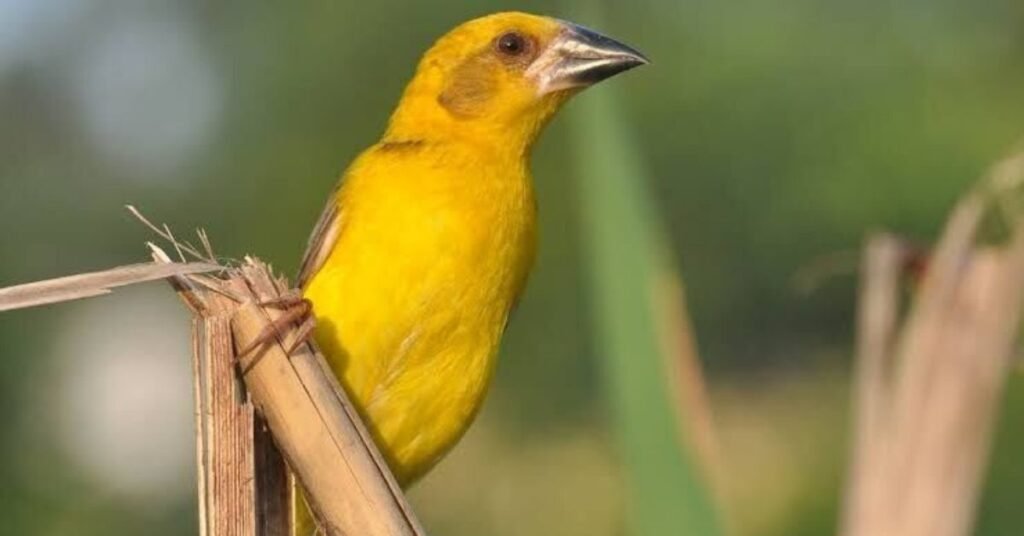
Kaziranga National Park has successfully conducted its first-ever Grassland Bird Survey, documenting a total of 43 species. The initiative aims to highlight the importance of grassland ecosystems in the park and raise awareness about avian biodiversity. Conservationists and wildlife enthusiasts have welcomed the survey as a crucial step toward protecting both birds and their habitats.
Read More: World Rhino Day tribute to Zubeen Garg marked in Guwahati Diary
Launch of the Kaziranga Grassland Bird Survey
The Kaziranga Grassland Bird Survey was initiated by the park authorities in collaboration with ornithologists, researchers, and local conservation groups. The primary goal was to assess bird populations in the park’s grasslands, which serve as critical habitats for many species, including migratory birds.
Officials explained that grasslands in Kaziranga are unique ecosystems that support diverse flora and fauna. While much attention is often given to rhinos and large mammals, the Kaziranga Grassland Bird Survey emphasizes the need to protect smaller but ecologically significant species.
Key findings and bird species recorded
During the survey, observers documented 43 species of birds, including resident and migratory types. Some of the notable species recorded include the Bengal florican, pied harrier, and black-breasted parrotbill. The presence of these birds indicates healthy grassland ecosystems and successful habitat management in the park.
Researchers also noted behavioral patterns, feeding habits, and nesting sites. The data collected will be instrumental in shaping future conservation strategies. The Kaziranga Grassland Bird Survey thus serves as both a scientific exercise and an awareness campaign for the public.
Importance of grassland habitats
Kaziranga’s grasslands are often overshadowed by its dense forests and riverine wetlands. However, they play a vital role in maintaining ecological balance. Grasslands provide food and shelter to birds, herbivores, and insects. They also act as natural firebreaks and prevent soil erosion.
The survey highlighted how grassland preservation directly affects bird populations. Conservationists emphasized that protecting grasslands ensures the survival of several threatened and endemic species. By conducting the Kaziranga Grassland Bird Survey, authorities hope to draw attention to these often-overlooked habitats.
Community involvement and awareness
The survey involved local communities, including students, volunteers, and nature clubs. Their participation not only supported data collection but also promoted awareness about bird conservation. Many young volunteers expressed enthusiasm about contributing to real-world conservation efforts.
Workshops were held to educate participants about bird identification, ecological significance, and ethical observation practices. By engaging the community, the Kaziranga Grassland Bird Survey also nurtures a culture of environmental responsibility among locals.
Role of technology in the survey
Modern technology played a key role in the Kaziranga Grassland Bird Survey. Observers used binoculars, GPS devices, and camera traps to record sightings accurately. Data management software helped compile species lists, count populations, and map habitats.
The integration of technology ensures that future surveys can be more efficient and precise. Authorities plan to maintain a digital database of grassland birds, which will aid long-term monitoring and research initiatives.
Conservationists’ response
Wildlife experts have praised the Kaziranga Grassland Bird Survey as a model for other protected areas. They highlighted that while Kaziranga is famous for rhinos and tigers, its grasslands and avian populations deserve equal attention.
Experts emphasized that documenting 43 species in the first survey is an encouraging sign. They called for regular monitoring to track trends, identify threats, and implement habitat restoration projects where needed.
Linking tourism and education
Authorities also see the Kaziranga Grassland Bird Survey as an opportunity to promote eco-tourism. Guided bird-watching tours and educational programs will help visitors understand the ecological importance of grasslands.
Schools and colleges are being encouraged to organize field trips, enabling students to experience nature firsthand. The Kaziranga Grassland Bird Survey thus combines conservation with education, inspiring the next generation of environmental stewards.
Challenges and future plans
Despite its success, the Kaziranga Grassland Bird Survey also highlighted challenges, including habitat degradation, invasive species, and human encroachment. Conservationists stressed the need for ongoing management practices, such as controlled grazing and invasive plant removal, to maintain grassland health.
The park authorities plan to conduct the survey annually to track population changes and assess the effectiveness of conservation measures. By making it a recurring initiative, the Kaziranga Grassland Bird Survey can guide policy decisions and habitat management strategies over the long term.
The first Kaziranga Grassland Bird Survey marks a significant milestone in Assam’s wildlife conservation efforts. Recording 43 species, the survey underscores the ecological importance of grasslands and the need to protect avian diversity.
By involving researchers, communities, and technology, the initiative demonstrates a holistic approach to conservation. It highlights how scientific research, public engagement, and environmental stewardship can come together to safeguard Assam’s natural heritage.
Kaziranga National Park, already celebrated for its rhinos and large mammals, now gains recognition for its commitment to preserving grasslands and bird species. The Kaziranga Grassland Bird Survey sets a benchmark for future ecological studies and reinforces Assam’s leadership in wildlife conservation.
Read More: CRPF 112 battalion cleanliness drive unites Kangpokpi community