


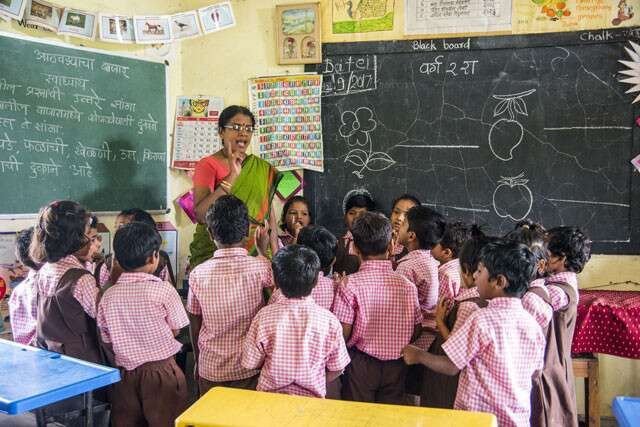
The Khayerpur Pallimangal School decline in Tripura has become a serious issue for students and parents. Once regarded as a model institution, the school is now struggling with deteriorating infrastructure and lack of maintenance. This decline threatens the quality of education and raises fears about the students’ future.
Declining Infrastructure and Neglect
The condition of Khayerpur Pallimangal School has worsened significantly over the past few years. Classrooms show signs of wear and tear, walls are cracked, and many basic facilities have broken down. The school lacks a proper boundary wall, which raises safety concerns for students. Moreover, sanitation facilities are either inadequate or non-functional, especially impacting female students.
Students have reported uncomfortable learning conditions due to poor ventilation and overcrowding. Such an environment hinders concentration and overall academic performance. The lack of basic amenities such as clean drinking water and functioning toilets affects students’ health and well-being.
Administrative Response and Public Outcry
The protests by students have drawn attention to the deteriorating conditions of the school. Local education officials, including the Kathalia Block School Inspector and Sonamura School Inspector, visited the protest sites and assured students that their concerns would be addressed promptly. They promised necessary improvements in staffing and infrastructure, leading to the lifting of the blockades. However, the effectiveness of these assurances remains to be seen, as the core issues persist.
Broader Implications on Tripura’s Education System
The plight of Khayerpur Pallimangal HS School is not an isolated case. Many government-run schools in Tripura are grappling with similar challenges, including poor infrastructure and inadequate facilities. Despite the state’s claims of progress in education, such conditions highlight the gap between policy and implementation. The lack of transparency in infrastructure projects and the slow pace of development further exacerbate the situation.
The Way Forward: Urgent Reforms Needed
To restore Khayerpur Pallimangal HS School to its former glory, immediate and sustained efforts are required. This includes:
- Infrastructure Overhaul: Renovating classrooms, improving sanitation facilities, and ensuring the availability of basic amenities.
- Staffing Improvements: Filling vacant teaching positions and ensuring regular attendance of faculty members.
- Community Engagement: Involving local communities in school management to ensure accountability and responsiveness.
- Policy Implementation: Ensuring that educational policies translate into tangible improvements on the ground.
Community and Officials Respond to Crisis
The student protests drew attention from local education authorities. Officials visited the school and assured stakeholders that steps would be taken to fill teacher vacancies and improve infrastructure. However, the community remains skeptical due to past unfulfilled promises.
The government’s lack of timely intervention has left the school vulnerable. Many fear that without urgent reforms, the decline will worsen, threatening the future of thousands of students in Tripura.
Impact on Tripura’s Education Landscape
Khayerpur Pallimangal School decline is symptomatic of a larger issue across many government schools in Tripura. Despite policy announcements about improving education, many institutions struggle with similar problems of neglect, understaffing, and poor infrastructure.
Such widespread issues highlight the gap between government plans and ground realities. Without focused efforts on accountability and resource allocation, schools like Khayerpur Pallimangal will continue to fail students.
READ MORE: Northeast India Development Highlighted at UN Human Rights Council