


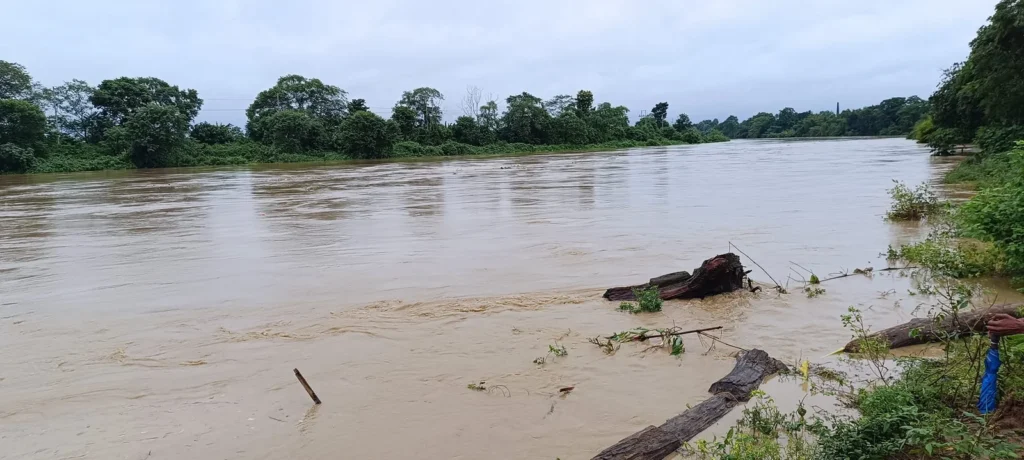
The Khowai River Levels have drawn attention after the Water Resources Department reported that the river was approaching its warning level. The update has prompted closer monitoring of water conditions as authorities continue assessing river flow and rainfall patterns during the active monsoon season.
Anti-Plastic Campaign Launched as Urban Bodies Intensify Drive Against Single-Use Plastics
Khowai River Levels Near Warning Level Following Increased Water Flow
The Khowai River Levels have risen close to the warning mark, according to the latest update from the Water Resources Department. The department confirmed that the river was approaching its designated warning level, prompting officials to maintain close surveillance of the water body.
River level monitoring plays an important role during the monsoon because changing weather conditions can rapidly influence water flow. Moreover, continuous observations help authorities respond promptly if river conditions worsen.
Approaching the warning level does not automatically indicate flooding. However, it signals that officials should closely monitor the situation and remain prepared for any further rise in water levels.
Although the available information confirms the river’s approach to the warning level, authorities have not reported that the river has crossed the designated threshold.
Khowai River Levels Monitored Through Continuous Hydrological Assessments
The Khowai River Levels are monitored regularly by the Water Resources Department using established hydrological observation systems. These assessments help officials evaluate river flow, rainfall influence, and changing water conditions throughout the monsoon season.
Furthermore, continuous monitoring allows authorities to issue timely advisories whenever river levels approach important benchmarks. Accurate observations also support disaster preparedness and informed decision-making.
Hydrological data provides valuable information for water resource management and emergency planning. Consequently, regular measurements remain essential for understanding the river’s changing behavior.
The department continues monitoring the river while evaluating updated weather and rainfall information that may influence future water levels.
Khowai River Levels Highlight Importance of Early Warning Systems
The Khowai River Levels demonstrate the value of early warning systems in managing water resources during periods of heavy rainfall. Warning levels serve as indicators that help authorities prepare appropriate responses before water reaches more critical stages.
Moreover, river monitoring supports coordination among disaster management agencies, local administrations, and water resource officials. Timely communication also enables communities to stay informed through official advisories.
Early warning mechanisms reduce uncertainty by providing reliable information based on continuous scientific observations. Therefore, maintaining accurate river monitoring systems remains a priority during the monsoon.
The current update reflects precautionary monitoring rather than confirmation of flood conditions.
Khowai River Levels Reflect Ongoing Monsoon Monitoring Efforts
The Khowai River Levels also reflect the broader efforts of the Water Resources Department to monitor rivers across the state during the rainy season. Seasonal rainfall frequently influences river flow, making routine observations essential for effective water management.
Furthermore, river level information supports planning for infrastructure protection, water management, and emergency preparedness. Government departments continue evaluating hydrological data to respond effectively to changing conditions.
Continuous monitoring enables authorities to issue updated advisories whenever river conditions change. Consequently, residents benefit from receiving timely information through official channels.
The department remains engaged in observing the Khowai River as part of its regular monsoon surveillance activities.
Conclusion
The Khowai River Levels have approached the warning mark, prompting the Water Resources Department to maintain close monitoring of the river. The latest update highlights the importance of continuous hydrological observations during the active monsoon season.
Furthermore, regular monitoring enables authorities to assess changing river conditions, support disaster preparedness, and provide timely information to the public. Scientific observations also help officials respond effectively if water levels continue to rise.
Overall, the Khowai River Levels update underscores the significance of early warning systems and proactive water resource management. As weather conditions evolve, authorities are expected to continue monitoring the river and issue additional official updates whenever necessary.
FAQs
1. What are the Khowai River Levels currently indicating?
The River Levels are approaching the warning level, according to the Water Resources Department.
2. Who reported the river level update?
The Water Resources Department reported that the Khowai River was nearing its warning level.
3. Does approaching the warning level mean flooding has occurred?
No. According to the available information, the river is approaching the warning level but has not been reported to have crossed it.
4. Why do authorities monitor Khowai River Levels?
Officials monitor river levels to assess changing water conditions, support disaster preparedness, and issue timely advisories.
5. Will authorities continue monitoring the river?
Yes. Based on the available information, the Water Resources Department continues to monitor the Khowai River closely.