


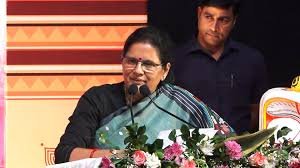
Local Governance Expands Through a new initiative aimed at strengthening community-level dispute resolution and women’s participation in decision-making across Tripura. Authorities announced that ‘Nari Adalat’ or Women’s Courts will soon begin operations in 10 panchayats spread across eight districts of the state.
Officials stated that the initiative focuses on resolving local social and community issues through dialogue, mediation, and women-led participation. Moreover, the programme aims to improve access to justice, strengthen grassroots governance, and encourage greater involvement of women in local administration.
Global Career Success Inspires Tripura Youth
Chief Minister’s Address Highlights Local Industries
Purpose of the Nari Adalat Initiative
The ‘Nari Adalat’ system has been introduced to address community-level concerns including family disputes, social conflicts, and local grievances through participatory mechanisms. Officials explained that trained women representatives will help facilitate discussions and encourage peaceful resolution of issues.
According to administrators, the initiative supports the broader objective of empowering women at the grassroots level while reducing pressure on formal legal systems for minor community disputes. Furthermore, local governance experts believe such platforms can improve awareness regarding rights, welfare schemes, and social support services.
Authorities noted that the programme will initially operate in selected panchayats before possible expansion in the future.
Implementation Across Districts
Local Governance Expands Through the planned rollout of Women’s Courts across eight districts in Tripura. Officials stated that the selected panchayats were chosen as part of a pilot initiative to evaluate the programme’s effectiveness at the village level.
Training sessions and awareness programmes are reportedly being organized for local representatives and participating women members. In addition, authorities are coordinating with panchayat bodies and administrative departments to ensure smooth implementation.
Observers noted that decentralized governance models often work more effectively when local communities actively participate in decision-making and dispute resolution processes.
Focus on Women’s Empowerment
The initiative is expected to strengthen women’s leadership and participation within local governance systems. Experts stated that involving women in community mediation and social dialogue can improve confidence, representation, and grassroots problem-solving.
Officials also highlighted that the programme may help create safer and more inclusive spaces for women to discuss issues affecting families and communities. Consequently, local organizations and self-help groups have welcomed the initiative positively.
Social development experts believe women-led community platforms can contribute significantly to awareness generation and social harmony.
Community and Administrative Response
Local Governance Expands Through a model that has already received encouraging response from community leaders, women’s organizations, and local administrators. Many observers stated that village-level mediation systems may help resolve disputes more quickly and peacefully.
Panchayat representatives also expressed optimism that the initiative would strengthen communication between citizens and local authorities. Moreover, social workers noted that community participation remains essential for the long-term success of such programmes.
Residents in participating areas reportedly welcomed the initiative as an accessible and locally driven support system.
Broader Importance for Rural Governance
Experts believe women-led mediation forums can improve grassroots democracy and encourage collaborative decision-making in rural regions. Similar initiatives in other states have focused on social awareness, conflict resolution, and community welfare activities.
Analysts noted that stronger local governance structures often contribute to better implementation of development schemes and public services. Therefore, programmes such as Nari Adalat may support both administrative efficiency and community welfare.
The initiative also reflects growing emphasis on gender-inclusive governance models within rural development strategies.
Conclusion
Local Governance Expands Through the upcoming launch of ‘Nari Adalat’ in 10 panchayats across eight districts of Tripura. The initiative aims to strengthen women’s participation, improve local dispute resolution, and promote community-level governance. As implementation begins, authorities and local organizations are expected to monitor how the programme contributes to social awareness, grassroots empowerment, and peaceful conflict resolution.
FAQs
1. What is the Nari Adalat initiative?
It is a women-led community dispute resolution and governance programme.
2. Where will the programme begin?
The initiative will launch in 10 panchayats across eight districts of Tripura.
3. What issues will Nari Adalat address?
It will focus on local social disputes, family concerns, and community grievances.
4. Why is the initiative important?
It encourages women’s participation and strengthens grassroots governance systems.
5. Who will manage the Women’s Courts?
Trained women representatives and local participants will support the process.
6. Could the programme expand in the future?
Officials indicated that expansion may happen after reviewing the pilot phase.