


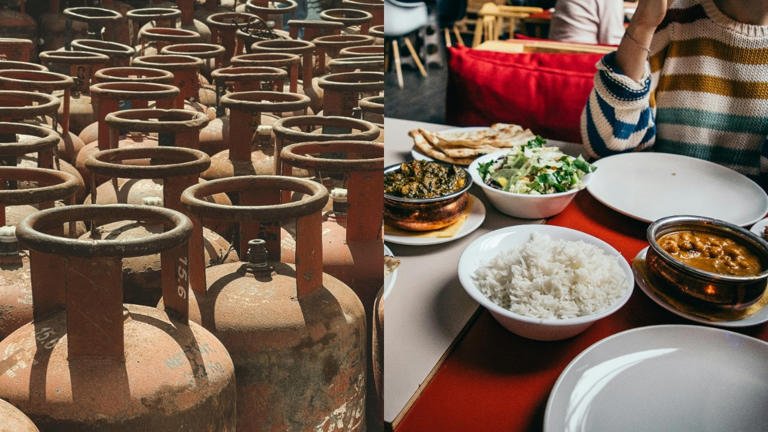
The ongoing conflict in the Middle East has begun affecting daily life in unexpected ways, with many hostels across India facing an acute shortage of cooking gas. As LPG supplies tighten, several hostel kitchens have been forced to adjust their menus. Consequently, many institutions have temporarily removed rotis from their meals and replaced them with rice, which requires less cooking gas to prepare.
Administrators say the shortage has created significant operational challenges for hostel kitchens that serve hundreds of students every day. Since cooking rotis consumes more LPG due to the need for continuous flame and high heat, many kitchens have shifted toward rice-based meals that can be prepared more efficiently under limited gas supplies.
Read More: Tripura Transport Minister Reviews Key Infrastructure Projects
Middle East Conflict Disrupts Energy Supply Chains
The shortage of LPG cylinders has been linked to disruptions in global energy supply chains following escalating tensions in the Middle East. The region remains one of the world’s largest producers and exporters of petroleum and natural gas products.
When conflicts intensify in this region, shipping routes and energy supplies often experience delays and disruptions. As a result, countries that depend on imported fuel can face temporary shortages or price fluctuations. India, which imports a large share of its energy requirements, has therefore felt the ripple effects of the crisis.
Although authorities have attempted to stabilize supply, local distribution networks have reported delays in cylinder deliveries. Consequently, several institutions that rely on bulk LPG supply have had to ration their usage.
Hostel Kitchens Adapt to Limited Gas Supply
Hostel kitchens, especially those serving large student populations, rely heavily on LPG for cooking daily meals. Preparing rotis typically requires separate cooking stations and constant heat from gas burners. Therefore, when LPG availability becomes uncertain, managing such operations becomes difficult.
To cope with the shortage, many hostel administrations have redesigned their meal plans. Rice-based dishes such as plain rice, pulao, or khichdi require fewer burners and less cooking time. As a result, kitchens can prepare food for hundreds of students while conserving limited gas supplies.
In addition, some institutions have introduced more boiled or steamed food options. These methods help reduce LPG consumption and allow kitchens to maintain regular meal schedules despite the shortage.
Students React to Menu Changes
Students living in hostels have noticed the sudden shift in daily meals. Many have reported that rotis, which were once a regular part of lunch and dinner, have temporarily disappeared from the menu.
While some students understand the logistical challenges faced by hostel administrations, others say the change has altered their usual eating habits. For students from northern parts of India, rotis often form a staple part of their daily diet. Consequently, adjusting to rice-based meals has required some adaptation.
However, hostel authorities have urged students to cooperate until the LPG supply stabilizes. Administrators say the changes are temporary and necessary to ensure that all students continue receiving regular meals.
Rising Fuel Costs Add to the Challenge
Apart from supply shortages, rising global fuel prices have also increased the cost of LPG procurement. Hostel administrations that depend on bulk cylinder deliveries now face higher operational expenses.
For institutions with limited budgets, these price increases pose an additional challenge. Therefore, reducing gas consumption has become a practical step to control costs and manage available supplies more effectively.
Some hostels have also explored alternative cooking arrangements, such as staggered meal preparation and energy-efficient cooking techniques. These strategies help conserve LPG while maintaining the quality of food served to students.
Impact on Institutional Kitchens
The LPG shortage has affected not only hostels but also other institutional kitchens such as college canteens, training centers, and residential schools. Facilities that serve large numbers of people rely on consistent gas supplies to maintain daily operations.
When supply disruptions occur, administrators must quickly adjust menus and cooking methods. Consequently, food service teams must plan meals carefully to balance nutrition, cost, and available fuel.
Despite these challenges, most institutions have managed to continue serving meals without major disruptions. However, administrators say long-term shortages could require further adjustments.
Government Monitoring Fuel Supply
Authorities in India have stated that they are closely monitoring fuel supply and distribution. Efforts are underway to ensure that LPG availability remains stable across the country despite global disruptions.
Energy experts note that temporary shortages may occur when international supply chains face sudden shocks. However, governments typically work with suppliers and distributors to restore normal supply levels.
Officials have also emphasized the importance of efficient energy use during periods of limited availability. Institutions and households alike are being encouraged to conserve fuel wherever possible.
Looking Ahead
Experts believe that the LPG shortage affecting hostels may ease once global supply chains stabilize. If geopolitical tensions in the Middle East reduce, energy shipments could return to normal levels.
Until then, hostel administrations are expected to continue adjusting meal plans and cooking practices. While the temporary absence of rotis has surprised many students, most understand that the change is part of a broader effort to manage limited resources.
Ultimately, the situation highlights how global events can influence everyday life in unexpected ways. From international conflicts to campus dining halls, the ripple effects of energy disruptions can reach far beyond the regions where they originate.
Read More: Atmanirbhar Asom: CM Sarma Disburses Rs 131 Crore in Second Tranche