


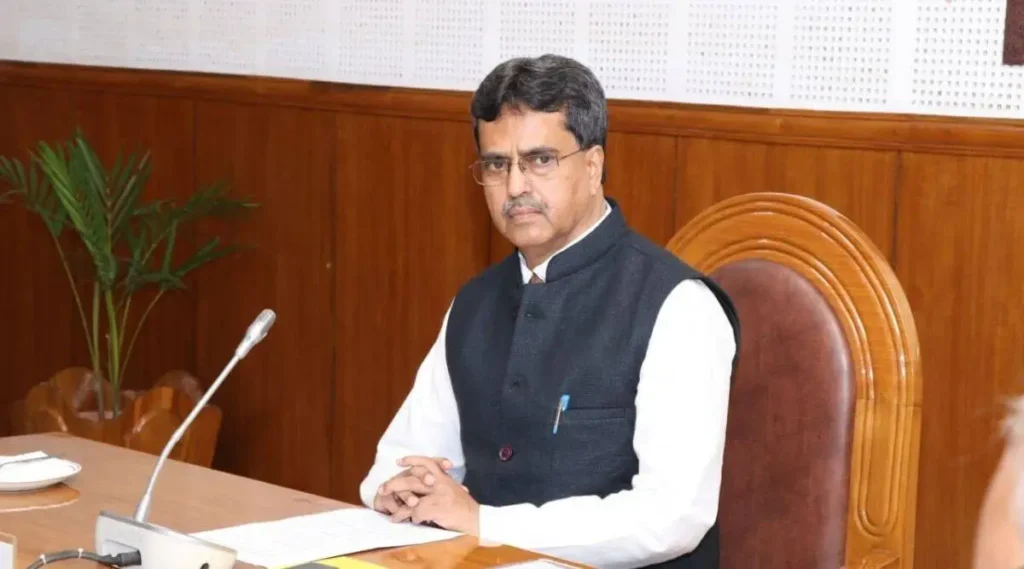
Manik Saha opposition criticism intensified in Tripura as Chief Minister Manik Saha accused opposition parties of prioritising political power over public concerns. Speaking to the media on October 23, 2026, Saha argued that protests, political statements and road blockades would not automatically earn public support. He urged opposition leaders to focus on constructive work, accountability and citizens’ needs. His remarks came amid political exchanges over election security, opposition alliances and preparations for upcoming urban local body polls.
Mangan boulder crash now claims two lives in Sikkim
Manik Saha Opposition Criticism Focuses on Public Concerns
Tripura Chief Minister Manik Saha accused opposition leaders of concentrating on their efforts to return to power instead of addressing issues that affect ordinary people. He argued that political parties must demonstrate their commitment through public service rather than relying primarily on statements and protests.
According to reports published on October 23, Saha said opposition parties had struggled to establish a stronger connection with the public. He also maintained that voters increasingly expected political leaders to demonstrate accountability and contribute to local development.
The Chief Minister linked public confidence with a party’s performance and engagement with citizens. In his view, political organisations must explain their positions clearly, respond to public concerns and show tangible results. He also argued that political rhetoric alone could not guarantee lasting support.
Furthermore, Saha referred to the role of social media in shaping public discussion. He suggested that people had more opportunities to follow political developments and assess competing claims. However, his remarks about misinformation reflected his political assessment rather than an independent finding about every opposition statement.
The comments formed part of a wider exchange between the ruling BJP and opposition parties in Tripura. Both sides have continued to criticise each other over political strategy, alliances and preparations for local elections. Saha’s latest remarks placed public service and political accountability at the centre of his criticism.
Manik Saha Opposition Criticism Extends to Protests and Road Blockades
Saha also criticised the opposition’s reliance on protests and road blockades. He argued that such activities would not necessarily translate into public support unless political parties also engaged with citizens and addressed their concerns.
The Chief Minister made the remarks while discussing the opposition’s political approach. He questioned whether demonstrations alone could help parties rebuild public confidence and urged their leaders to concentrate on constructive engagement.
His comments referred to the political environment following Tripura’s Village Committee elections. Saha said the polls had proceeded smoothly and that the results had been accepted. He cautioned opposition leaders against assuming that road blockades or public protests automatically reflected popular backing.
However, opposition parties may present protests as a means of raising concerns, demanding accountability or drawing attention to issues they believe require government action. Their assessment of the need for demonstrations can differ from the Chief Minister’s position.
The wider debate therefore involves two questions: how political parties should communicate public grievances and how citizens can judge whether those parties respond effectively. Public meetings, demonstrations, legislative activity and direct engagement can all form part of political participation. Their significance depends on the issues raised, the evidence presented and the response from the relevant authorities.
Saha’s remarks conveyed the ruling party’s argument that opposition groups should focus more on public-facing work. Nevertheless, his criticism remains an attributed political position. Assessing the opposition’s record would require examining specific public issues, the actions taken by different parties and the outcomes for residents.
Election Security Debate Adds to Political Tensions
Saha’s criticism also touched on the opposition’s demand for central security forces during the upcoming local body elections. He said the State Election Commission held responsibility for election-related security arrangements and maintained that the state government did not directly control those decisions.
According to reports, Saha said anyone seeking additional security personnel should approach the Commission. He added that he had asked the Director General of Police to coordinate with the relevant authorities if necessary. He stressed that officials should determine security requirements according to the prevailing situation and the needs of the electoral process.
The issue highlights the different responsibilities involved in conducting local elections. The State Election Commission oversees the electoral process, while police and other security agencies help maintain law and order. Political parties may raise concerns about the arrangements, but the relevant authorities must assess those concerns and make decisions within their respective responsibilities.
Moreover, security arrangements can become a point of political disagreement when parties differ over the assessment of risks or the measures needed to ensure peaceful voting. Any claim about specific threats or shortcomings, however, requires supporting evidence and a response from the authorities concerned.
Saha’s comments also came as political parties prepared for the next phase of local electoral activity in Tripura. The BJP has been discussing its organisational strategy for the urban local body elections, including the Agartala Municipal Corporation contest and a proposed public outreach campaign. A party meeting chaired by Saha on October 26 focused on election preparations and outreach programmes. Tripura Chronicle
These developments show how debates over public grievances, election security and party organisation have become connected in Tripura’s political discourse. While Saha has urged the opposition to prioritise public service, opposition parties’ specific concerns must be assessed individually rather than treated as a single issue.
Public Accountability Remains Central to the Debate
Saha’s statement raises a broader question about the role of opposition parties in a democratic system. Opposition groups can scrutinise government decisions, highlight service-delivery problems and ask authorities to explain their actions. At the same time, voters can assess whether opposition leaders offer practical proposals and maintain regular contact with communities.
For the ruling party, public accountability also involves explaining government decisions, reporting progress on commitments and responding to complaints about essential services. Political claims about development or public welfare become more meaningful when people can examine relevant information and assess results.
Consequently, the debate should extend beyond exchanges between political leaders. Issues such as healthcare, education, employment, roads, drinking water and access to government services have direct implications for residents. Political parties can demonstrate their approach to these issues through documented proposals, public records and measurable outcomes.
Furthermore, citizens can distinguish between allegations and established facts by examining the evidence behind each claim. A statement made at a press interaction represents the speaker’s position; it does not independently establish the accuracy of every accusation. Similarly, opposition criticism requires examination against available records and responses from the relevant departments.
The upcoming urban local body elections will provide another opportunity for parties to present their positions on local administration and civic services. Candidates will have to explain how they intend to address neighbourhood concerns, improve municipal services and respond to residents’ complaints.
Ultimately, Saha’s criticism reflects the continuing political contest over who best represents public interests in Tripura. The wider debate centres on how political parties engage with citizens, how they scrutinise one another and how voters evaluate their claims. Concrete evidence and public outcomes remain important when assessing these competing positions.
Conclusion
Manik Saha opposition criticism has brought renewed attention to the debate over political leadership, public service and accountability in Tripura. The Chief Minister accused opposition parties of concentrating on regaining power and relying on protests rather than addressing citizens’ concerns. He also argued that political support depends on constructive engagement and meaningful work.
Saha’s remarks covered several issues, including road blockades, election-related security demands and the opposition’s broader political strategy. His position is that parties must do more to connect with residents and demonstrate their commitment through action. However, these statements represent his political assessment, and individual claims require evidence-based examination.
As Tripura moves towards upcoming urban local body elections, voters will have an opportunity to assess the competing arguments of political parties. Public concerns, proposed solutions, government performance and documented results can all help citizens evaluate the debate. The key question remains whether political organisations can translate their promises and criticism into effective engagement with people.
FAQs
1. What did Manik Saha say about the opposition?
Tripura Chief Minister Manik Saha accused opposition parties of prioritising the pursuit of political power over public concerns. He urged them to focus on public service, accountability and constructive engagement.
2. When did Saha make these remarks?
Reports published on October 23, 2026, carried his comments criticising the opposition’s political approach and its reliance on protests and road blockades.
3. Why did Saha criticise road blockades?
Saha argued that road blockades and protests would not automatically generate public support. He maintained that political parties also needed to demonstrate their commitment through constructive work and public engagement.
4. What did Saha say about security for local body elections?
He said the State Election Commission was responsible for deciding election-related security arrangements. He also indicated that those seeking additional security personnel should raise the matter with the Commission.
5. Why is public accountability important in this debate?
Public accountability helps citizens assess political claims against evidence and actual outcomes. It also allows voters to examine how parties address civic services, public grievances and local development.