


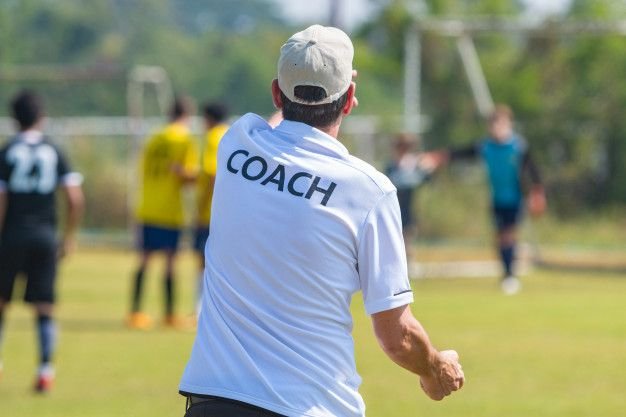
In what could be a turning point for sports in Northeast India, a high-level meeting co-chaired by Union Minister Jyotiraditya Scindia and Manipur Governor Ajay Kumar Bhalla called for sweeping sports reforms in Northeast region. The meeting emphasised strengthening grassroots talent scouting, coaching, and vibrant local leagues to nurture future champions.
Held via video conference on October 15, 2025, the Second High-Level Task Force Meeting on Sports Development in the North Eastern Region (NER) reviewed progress since the first session and detailed a roadmap for enhancing the region’s sporting ecosystem.
Why This Meeting Matters for Sports Reforms in Northeast
The Northeast has long been hailed as a reservoir of raw athletic talent, producing national heroes in disciplines such as boxing, weightlifting, and football. But systemic challenges—infrastructure gaps, lack of coaching, weak scouting networks, and limited competition platforms—have held the region back.
During the meeting, Minister Scindia urged a “bottom-up approach,” asserting that building a sustainable sports culture is as much about coaching, talent identification, and creating local leagues as it is about erecting stadiums.
He observed, “Success depends more on soft skills like coaching and talent scouting than on infrastructure alone.”
Governor Bhalla welcomed the vision, noting that each state in the Northeast has unique strengths that must be leveraged. He endorsed the push to expand opportunities for young athletes via better training, local competition, and collaboration.
Key Pillars of the Proposed Reforms
Grassroots Talent Scouting & Coaching
One of the meeting’s central themes was institutionalizing talent scouting at the grassroots. The task force emphasized disciplined outreach into schools and remote areas to spot promising athletes early, paired with long-term coaching engagement to develop them.
Scindia stressed the need for committed coaches who can mentor youth over years rather than short-term interventions.
Local Leagues and Competitive Platforms
Another crucial demand was the establishment and strengthening of local leagues and academies to give athletes regular competitive exposure. With better local tournaments, athletes won’t have to travel far just to gain match practice.
This approach ensures that talented youth don’t slip through the cracks due to lack of exposure.
Infrastructure, Funding & Governance
The meeting also addressed the perennial challenges of sports infrastructure deficits, funding constraints, and governance/data systems. There was consensus on exploring public-private partnerships (PPP) and CSR investments to build facilities in underserved districts.
Discussion included mapping talent-poor and talent-rich zones, performance monitoring, data governance, and incentives to maintain high accountability in sports departments.
States Join the Push: Northeast Collaboration
The meeting brought together key stakeholders:
- Minister of State for Youth Affairs & Sports, Raksha Nikhil Khadse
- Chief Secretaries and Sports officials from Manipur, Nagaland, Mizoram
- Representatives from North Eastern Council (NEC), MDoNER, and state sports departments
This inter-state coordination is key for consistent policy implementation across state borders, shared data on talent pools, and synchronized competition calendars.
Challenges Ahead & What It Will Take to Succeed
While the vision is ambitious, implementation won’t be easy. Challenges include:
- Ensuring committed human resources — coaches who remain in remote areas
- Sustained funding & infrastructure maintenance
- Bridging urban-rural divides in access to sports facilities
- Tracking & evaluation systems to measure impact
However, with political will, accountability, and community participation, the reforms could transform the region’s sporting landscape.
What This Means for Youth & Regional Pride
For young athletes across Manipur, Nagaland, Mizoram, Assam and other Northeastern states, this push could mean:
- Earlier talent detection
- More training & exposure at district and state levels
- Reduced travel burden through localized competitions
- Better possibility to graduate to national/international platforms
It also reflects a shift: the Northeast will no longer be a feeder region but a powerhouse of Indian sports. As Scindia said, the region has all the ingredients—natural athleticism, strong sporting tradition, and passion—that just need the right structure.
Call to Action
For this initiative to succeed, citizens, educators, local sports clubs, and non-profits must get involved. Help monitor local talent, volunteer as coaches, advocate for district-level leagues, or contribute via CSR to build training centres.
If you are from the Northeast, reach out to your district sports office or youth welfare department and ask what programs are being introduced under these reforms. Demand transparency in fund allocation and timely progress reports.
Together, we can turn this policy impulse into a lasting legacy — one where sports reforms in Northeast bring forward the next generation of Champions.
READ MORE: Manipur Hunting Ban Protects Amur Falcons