


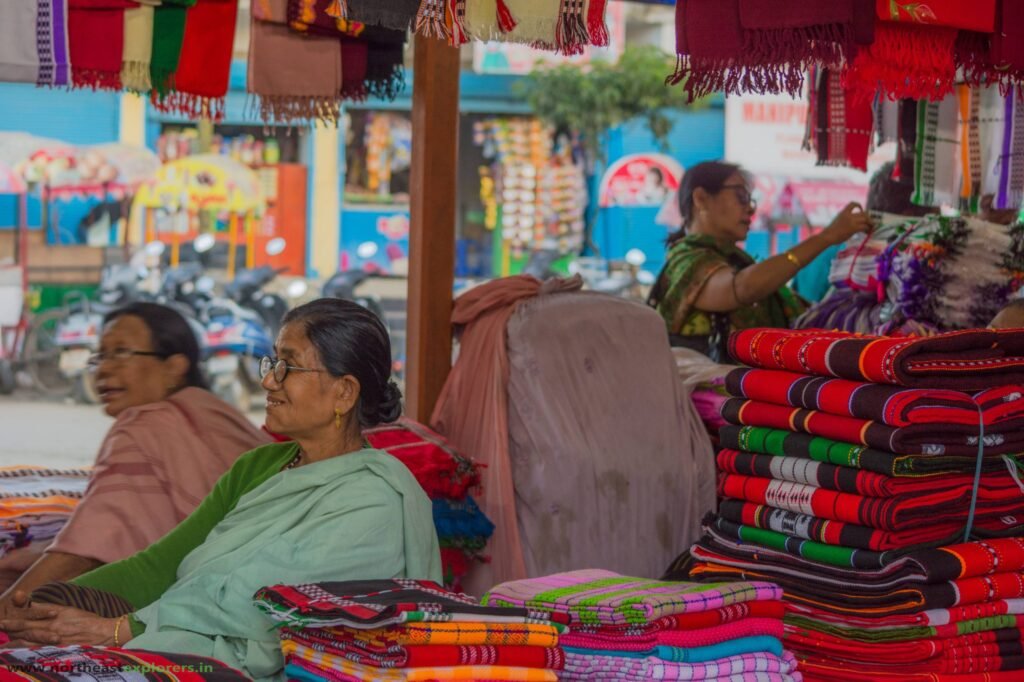
The Manipur Handloom Development Corporation has established premium retail stores at major metropolitan airports, aiming to showcase the state’s rich textile heritage to domestic and international travelers. The initiative seeks to enhance market access for traditional handloom products and provide greater visibility to local artisans. Moreover, officials stated that the move is expected to strengthen branding efforts and create new economic opportunities for weaving communities. The development highlights Manipur’s growing focus on promoting indigenous craftsmanship through strategic retail expansion.
Sikkim Organic Tea Gardens Report Premium Auction Prices at Global Tea Tasting Forums
Tripura Government Announces New Smart-Classroom Incentives for 500 Rural Government Schools
Airport Stores to Showcase Manipur’s Textile Heritage
Manipur handloom development corporation sets up premium stores in major metropolitan airports to bring traditional handwoven products closer to a wider consumer base. Consequently, travelers will have easier access to authentic textiles and handicrafts originating from the state.
The stores are expected to feature a diverse range of handloom products, including shawls, garments, scarves, and decorative items. Moreover, the outlets have been designed to highlight the cultural identity and artistic traditions of Manipur. Therefore, the initiative is likely to boost awareness regarding the state’s weaving heritage.
Officials emphasized that increased visibility can help strengthen the market presence of local products. Furthermore, showcasing handloom items at busy transport hubs can attract new buyers and encourage appreciation for traditional craftsmanship. As a result, artisans may benefit from expanding demand.
Meanwhile, efforts are being made to maintain high standards of quality and presentation. Consequently, the stores are expected to offer a premium shopping experience.
Greater Market Access Expected for Local Artisans
Manipur handloom development corporation sets up premium stores in major metropolitan airports with the objective of creating better marketing opportunities for weavers and producers. Moreover, access to larger markets plays a crucial role in supporting sustainable livelihoods. Therefore, expanding retail channels has become an important priority.
The initiative is expected to provide artisans with improved exposure and higher-value sales opportunities. Consequently, weaving communities may experience increased income and economic stability. Such developments contribute to strengthening the traditional handloom sector.
Furthermore, premium branding can help position Manipuri textiles in niche and luxury markets. As a result, the products may attract both domestic and international consumers.
Meanwhile, training programs and design innovation initiatives are being encouraged. Similarly, collaborations with fashion and retail experts are being explored.
Promoting Indigenous Craftsmanship Through Strategic Expansion
The Manipur handloom development corporation sets up premium stores in major metropolitan airports as part of broader efforts to preserve and promote indigenous weaving traditions. Moreover, cultural products represent an important aspect of the state’s identity. Therefore, efforts to enhance their visibility are receiving greater attention.
Officials highlighted that strategic retail locations can significantly improve brand recognition. Consequently, the handloom sector is expected to gain stronger market positioning. Such measures support cultural preservation and economic development.
Furthermore, airport outlets offer opportunities to reach diverse groups of consumers. As a result, awareness regarding Manipuri textiles may continue to grow.
Meanwhile, authorities are exploring additional retail partnerships and promotional campaigns. Similarly, digital marketing initiatives are being strengthened.
Supporting Economic Growth and Cultural Preservation
The initiative reflects Manipur’s commitment to supporting artisans and preserving traditional skills. Moreover, the handloom industry provides employment to thousands of families across the state. Therefore, expanding market opportunities remains a key objective.
Officials stated that increased sales and wider recognition can contribute to the long-term sustainability of the sector. Consequently, more artisans may benefit from improved commercial prospects. Such efforts strengthen rural economies and cultural continuity.
Furthermore, investments in product development and branding are being prioritized. As a result, Manipur’s handloom industry is expected to become more competitive in national and global markets.
Meanwhile, support mechanisms for weavers are being enhanced. Similarly, initiatives aimed at encouraging younger generations to pursue traditional crafts are being promoted.
Conclusion
Manipur handloom development corporation sets up premium stores in major metropolitan airports, marking an important milestone in promoting traditional textiles and expanding market access for local artisans. Moreover, the initiative is expected to enhance visibility and create new opportunities for the handloom sector.
The strategic retail expansion underscores the importance of preserving cultural heritage while supporting economic development. Therefore, it represents a significant boost for Manipur’s weaving communities.
As the Manipur handloom development corporation sets up premium stores in major metropolitan airports, the move highlights the growing recognition of indigenous craftsmanship and the potential of traditional industries in modern markets.
FAQs
1. What has the Manipur Handloom Development Corporation established?
Premium retail stores at major metropolitan airports.
2. What products will be sold at these stores?
Traditional handloom items such as shawls, garments, scarves, and decorative products.
3. Why are airport locations important?
They provide access to a large number of domestic and international travelers.
4. How will artisans benefit from the initiative?
They may gain greater market exposure and improved income opportunities.
5. What is the broader objective of the initiative?
To promote Manipuri textiles and preserve traditional weaving heritage.