


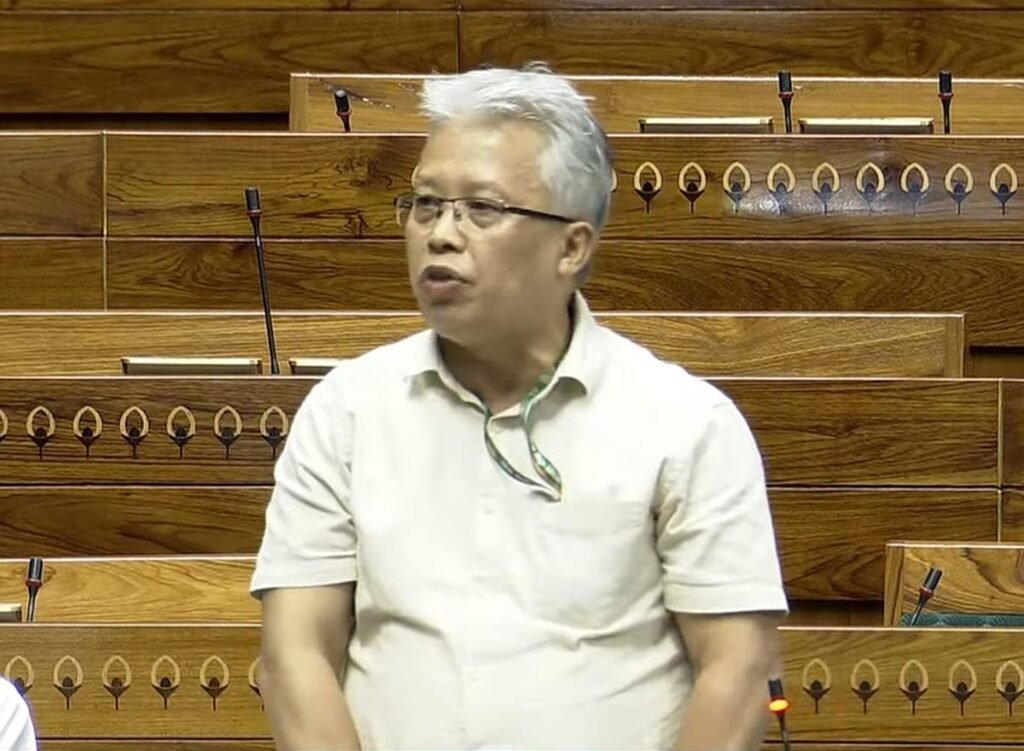
Manipur MP Bimol Akoijam has reportedly petitioned Union Home Minister Amit Shah to delay the Census 2026 process, citing concerns linked to population changes, migration, and the broader security situation in the state. The reported request has added a new dimension to the ongoing political debate over census timing and demographic data.
The census carries importance for government planning because population information supports decisions involving public services, infrastructure, welfare programmes, and administration. Moreover, demographic data can become politically significant in states facing debates over migration, representation, and border security.
However, Akoijam’s reported petition does not mean that the Union Government has agreed to delay the census. The available information does not confirm any official decision changing the census schedule.
Mizoram Churches Unite Against Proposed FCRA Amendment Bill 2026
Census 2026 Petition Raises Manipur Concerns
The Census 2026 debate has gained attention following Bimol Akoijam’s reported petition to Amit Shah.
Akoijam has reportedly raised concerns about conducting the census under current circumstances in Manipur. Furthermore, population enumeration can have long-term administrative implications, making the timing and accuracy of the exercise important.
The petition therefore places demographic issues at the centre of the discussion.
However, the available information does not provide the complete text of Akoijam’s representation or all the reasons cited in it.
Census 2026 Debate Focuses on Population Data
The Census 2026 process would generate important demographic information for future government planning.
Population data can help authorities assess requirements for schools, hospitals, housing, transport, employment programmes, and welfare services. Additionally, reliable data can help governments understand population distribution across different regions.
Accurate enumeration therefore remains a key administrative objective.
However, the available information does not identify any officially confirmed inaccuracies in existing population records.
Census 2026 Request Links to Migration Concerns
The Census 2026 petition reportedly connects census timing with concerns about migration and demographic changes.
Manipur’s location along the Myanmar border has made migration and border management politically sensitive issues. Moreover, political representatives have previously raised questions about how population movements could affect the state’s demographic profile.
These concerns can influence public debate about the timing of population enumeration.
However, claims regarding illegal or undocumented migration require verification through official records and established legal procedures.
Census 2026 Debate Includes Border Security
The Census 2026 discussion also intersects with wider concerns about border security.
Manipur shares an international border with Myanmar, and authorities face challenges associated with monitoring movement across border areas. Furthermore, security and demographic questions can become politically connected even though they involve different administrative processes.
Akoijam’s reported petition brings these concerns into the wider census discussion.
However, border management and census enumeration remain separate government functions.
Census 2026 Petition Puts Government Under Focus
The Census 2026 petition could place additional pressure on the Union Government to clarify its position.
A formal representation from a sitting MP can bring a regional concern to the attention of the central administration. Moreover, the government may need to explain whether it considers the concerns sufficient to review the existing timetable.
Any change would require action from the competent authorities.
However, no official announcement confirming a postponement has been provided in the available information.
Census 2026 Could Affect Political Representation
The Census 2026 debate also carries implications for discussions about political representation.
Population data can influence future administrative and electoral planning under applicable laws. Additionally, political stakeholders may seek clarity about the demographic information that authorities will use for future decisions.
This makes the accuracy of census data particularly significant.
However, census enumeration and electoral delimitation operate under separate legal and administrative processes.
Census 2026 Raises Questions About Timing
The Census 2026 petition highlights the importance of timing.
A census involves extensive logistical planning, including personnel, enumeration systems, data collection, verification, and administrative coordination. Furthermore, postponing a major national exercise could affect subsequent planning schedules.
Authorities would therefore need to assess both the concerns raised and the practical consequences of any delay.
However, the available information does not specify an alternative timetable proposed by Akoijam.
Census 2026 and Manipur’s Political Situation
The Census 2026 debate comes amid continuing political sensitivities in Manipur.
Population, migration, security, and representation remain closely watched issues in the state. Moreover, political leaders may view census timing through different perspectives depending on their assessment of the state’s current conditions.
The petition adds another layer to that debate.
However, the available information does not establish that the census itself would resolve the state’s wider political or security challenges.
Census 2026 Requires Reliable Enumeration
The Census 2026 discussion reinforces the importance of accurate enumeration.
Authorities need reliable information to understand population size, distribution, household characteristics, and other demographic indicators. Additionally, transparent procedures can help build confidence among communities and political stakeholders.
Reliable census data can support long-term government planning.
However, the available information does not provide evidence that the planned enumeration process lacks adequate safeguards.
Census 2026 Petition Seeks Central Government Response
The Census 2026 petition now places the reported concerns before the Union Government.
Amit Shah, as Union Home Minister, oversees several areas connected with internal administration and census-related governmental responsibilities. Moreover, the central government would need to evaluate any request for a change to the census schedule within the applicable administrative framework.
The response could determine whether the issue moves forward.
However, the available information does not confirm that Amit Shah has accepted or rejected the petition.
Census 2026 Could Shape Future Policy
The Census 2026 exercise could influence government policy for years after the enumeration takes place.
Population information supports decisions across multiple sectors. Furthermore, reliable demographic statistics can help governments allocate resources and plan public infrastructure more effectively.
For Manipur, the data could also inform future discussions about population trends and regional development.
However, the eventual policy impact will depend on the final census results and how authorities use them.
Conclusion
Manipur MP Bimol Akoijam has reportedly petitioned Union Home Minister Amit Shah to delay the Census 2026, raising concerns related to population changes, migration, and the state’s wider security environment. The request has brought Manipur’s demographic concerns into a broader national discussion about the timing and accuracy of population enumeration.
Moreover, a census provides important information for government planning, while migration and border-related claims require verification through official evidence. However, Akoijam’s reported petition does not constitute an official postponement, and the available information does not confirm that the Union Government has changed the census schedule.
Overall, the Census 2026 debate in Manipur will depend on how the Union Government responds to the petition and whether authorities consider the concerns sufficient to alter the planned process. Any decision will need to balance administrative requirements, reliable demographic data, and the concerns raised by stakeholders.
FAQs
1. Who petitioned Amit Shah over Census 2026?
Manipur Lok Sabha MP Bimol Akoijam reportedly submitted a petition seeking consideration of a delay.
2. Why does Akoijam want Census 2026 delayed?
His reported concerns involve population changes, migration, border-related issues, and the broader situation in Manipur.
3. Has the government agreed to delay Census 2026?
No official postponement has been confirmed in the information provided.
4. Why is Census 2026 important for Manipur?
The census can provide demographic information needed for government planning, infrastructure, welfare programmes, and future policy decisions.
5. Does the census determine citizenship?
No. Census enumeration and citizenship determination are separate processes governed by different legal and administrative frameworks.