


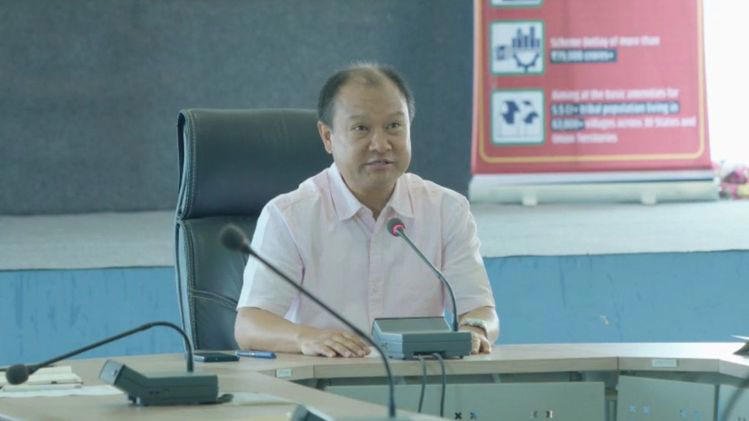
Manipur has intensified its focus on AI-driven governance and digital administration to strengthen tribal development initiatives under the ongoing Janjatiya Garima Utsav celebrations. State officials said the government aims to use artificial intelligence and technology-based governance systems to improve welfare delivery, infrastructure planning, education, healthcare, and public services in tribal-dominated regions.
Read More: Tripura Strengthens Flood Control With 193 New Projects
The initiative reflects the growing emphasis on combining technology with grassroots development in the Northeast. Authorities believe digital governance tools can help improve administrative transparency, reduce delays, and ensure better implementation of welfare schemes in remote and underserved areas.
Officials stated that the programme under Janjatiya Garima Utsav focuses on empowering tribal communities through innovation, digital inclusion, and improved access to government services. Discussions during the event also highlighted the role of technology in supporting long-term socio-economic development.
The government said AI-driven systems may help authorities identify local development needs more effectively and strengthen planning for tribal welfare programmes.
Government focuses on technology-based governance
Officials said Manipur has started increasing its focus on digital governance and AI-supported administrative systems across multiple sectors. Authorities believe technology can improve public service delivery and strengthen coordination between departments working in remote regions.
Government representatives explained that AI tools may support better data analysis, faster grievance redressal, and improved monitoring of welfare schemes. Such systems can help identify gaps in implementation and improve resource allocation.
The administration also aims to use digital platforms for improving communication with residents living in tribal and hill areas. Officials said better digital access can reduce administrative delays and increase transparency in governance.
During Janjatiya Garima Utsav events, speakers highlighted the importance of combining modern technology with inclusive development policies. They stressed that tribal communities should benefit equally from technological progress and digital transformation.
Experts noted that AI-based governance systems are increasingly being explored by several states to strengthen administration and service delivery.
Janjatiya Garima Utsav highlights tribal empowerment
The Janjatiya Garima Utsav programme focuses on tribal heritage, empowerment, and inclusive development. Events organised under the initiative highlighted issues related to education, healthcare, digital access, entrepreneurship, and infrastructure in tribal regions.
Officials stated that the programme aims to celebrate tribal identity while also promoting long-term development opportunities for indigenous communities.
Community representatives attending the event stressed the importance of improving access to technology and digital education in rural and hill districts. They said digital inclusion can help students, entrepreneurs, and local organisations connect with wider opportunities.
The government also discussed initiatives linked to skill development, entrepreneurship training, and digital literacy programmes for tribal youth. Authorities believe such efforts can strengthen employment opportunities and economic participation.
Several speakers at the programme highlighted the contribution of tribal communities to Manipur’s cultural diversity and social heritage.
AI expected to improve welfare delivery
Officials said AI-driven systems could significantly improve the implementation and monitoring of welfare schemes in remote tribal areas. Government departments often face challenges in collecting accurate data and tracking development projects in difficult terrain.
Technology-based systems may help authorities monitor projects more efficiently and identify delays or irregularities more quickly. AI-supported analysis can also improve planning related to healthcare, education, infrastructure, and public welfare.
Authorities said digital governance tools could help ensure that benefits reach intended beneficiaries more effectively. Officials also stressed the importance of reducing paperwork and simplifying administrative procedures through technology.
Experts believe AI-based governance systems can support more transparent and responsive administration, especially in geographically challenging regions like Manipur.
At the same time, they emphasised the need for proper digital infrastructure and training to ensure successful implementation.
Tribal regions remain development priority
Officials stated that tribal and hill districts remain a major focus area for the Manipur government’s development agenda. Several remote regions continue facing challenges related to connectivity, healthcare access, digital infrastructure, and educational facilities.
The administration believes technology-driven governance can help bridge developmental gaps and improve service delivery in these areas. Authorities also plan to strengthen internet connectivity and digital infrastructure in rural districts.
Community leaders said better digital access can improve education, telemedicine services, online communication, and administrative coordination in remote villages.
The government also highlighted plans to encourage local entrepreneurship and digital skill development among tribal youth. Officials believe such initiatives can create new economic opportunities and reduce regional disparities.
Observers noted that inclusive digital development has become increasingly important for northeastern states because of difficult terrain and connectivity challenges.
Education and digital literacy receive attention
Education and digital literacy formed important parts of discussions during Janjatiya Garima Utsav events in Manipur. Officials stressed that technology-based learning and digital education can help improve opportunities for students in tribal regions.
The government plans to expand digital learning facilities and strengthen access to online educational resources in remote areas. Authorities believe better technological exposure can help students compete more effectively in higher education and employment sectors.
Skill development programmes linked to coding, digital services, and entrepreneurship are also expected to receive greater attention under future initiatives.
Experts pointed out that improving digital literacy remains essential for ensuring the success of AI-driven governance systems. Residents must possess the knowledge and access needed to benefit from digital services effectively.
Community representatives also urged the government to ensure that digital development remains affordable and accessible for rural populations.
Technology and development seen as interconnected
Speakers at the Janjatiya Garima Utsav programme repeatedly highlighted the connection between technological advancement and socio-economic development.
Officials argued that modern governance systems should use technology not only for efficiency but also for inclusion and empowerment. They stressed that tribal communities must become active participants in digital transformation rather than remaining isolated from technological progress.
Experts believe AI-driven governance may help improve planning in sectors such as agriculture, healthcare, disaster management, and education. Better data systems can support more informed policy decisions and faster administrative responses.
At the same time, some observers stressed the importance of protecting cultural identity and traditional knowledge while promoting digital modernisation.
Authorities said future development efforts would aim to balance technological progress with preservation of tribal heritage and local traditions.
Manipur aims for inclusive digital transformation
The push for AI-driven governance under Janjatiya Garima Utsav reflects Manipur’s broader effort to combine technological innovation with inclusive development policies.
Officials believe digital governance can improve transparency, strengthen welfare delivery, and create better opportunities for tribal communities across the state. The initiative also highlights the growing importance of technology in governance and regional development strategies.
As Manipur continues focusing on digital transformation, authorities hope AI-supported systems and improved connectivity will help reduce developmental gaps and strengthen public services in remote areas.
The Janjatiya Garima Utsav programme therefore represents both a celebration of tribal identity and a platform for discussing the future of inclusive, technology-driven governance in the state.
Read More: Jairam Ramesh Questions Pema Khandu’s Role Amid CBI Probe