


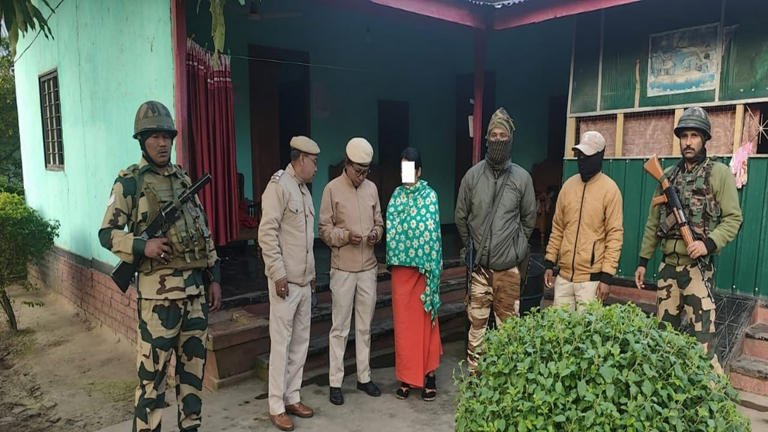
Manipur has strengthened its security plans as forces expanded Manipur security ops in fringe and vulnerable areas. The renewed push aims to prevent fresh violence, improve public safety, and stabilize regions facing tension. Since recent intelligence inputs suggested possible disturbances, security agencies increased vigilance across districts.
Read More: Janajati Development Priority for Tripura Govt: CM Saha
Search Operations Strengthen Manipur Security Ops
Security forces launched early-morning search drives in foothill belts, rural edges, and mixed-population zones. They moved through houses, sheds, abandoned spaces, and narrow forest pathways to locate suspicious movement. Moreover, they increased patrols along routes that previously witnessed clashes. Their approach remained proactive so that no hostile group gains space to regroup or mobilize.
Officials explained that recent intelligence reports indicated unusual activities in certain pockets. Therefore, teams quickly entered remote hamlets, verified identities, and questioned individuals who moved through sensitive locations. These steps helped security personnel narrow down risk zones and reduce the possibility of sudden flare-ups.
Residents cooperated with the checks, and many said that the increased presence of forces made them feel safer. Because people in these areas often live under fear of sudden violence, they welcomed strict monitoring. Additionally, joint teams reviewed earlier conflict points to ensure that no new threat emerged.
Vulnerable Areas Placed Under Stronger Vigilance
The intensified Manipur security ops included stronger monitoring in vulnerable pockets, buffer zones, and settlements placed between different communities. These belts are often the first to experience tension during volatile situations. Consequently, security personnel increased their focus on these zones to prevent any early signs of trouble.
Forces set up more checkpoints on interior and exterior roads. They inspected vehicles thoroughly to stop the transportation of illegal arms or materials that could trigger unrest. Furthermore, patrolling teams walked through agricultural fields, riverbanks, and wooded patches where suspicious footprints or discarded items were noticed earlier.
Local leaders appreciated the increased vigilance because they believed it would help maintain calm. Several families living in high-risk belts said they felt more confident as they went about their daily routines. Additionally, security officers interacted with villagers and encouraged them to share information quickly. This cooperation made it easier to track unusual activities and maintain stability.
Coordination Boosts Manipur Security Ops
Better coordination between agencies gave Manipur security ops a stronger foundation. State police, central forces, and local administrative units shared information through joint control rooms and fast communication channels. As a result, teams responded faster whenever they detected suspicious movement.
Night surveillance also improved. Security personnel deployed drones, thermal devices, and night patrol units in low-visibility stretches. These tools helped track movements along forest corridors and hill slopes where miscreants might attempt to cross after dark. Moreover, teams strengthened coverage in remote hamlets so that no vulnerable point remained unchecked.
Community policing played an important role. Security personnel visited households, discussed concerns, and reassured residents about the improved safety measures. Through these interactions, trust gradually increased. Consequently, people felt more comfortable reporting unusual activity in their neighbourhoods.
Ensuring Stability Through Continued Manipur Security Ops
The administration plans to continue Manipur security ops until complete stability returns. Officials believe that constant vigilance, community cooperation, and stronger coordination can reduce future conflict risks. Although challenges remain, the consistent effort to secure vulnerable zones reflects the government’s dedication to restoring order.
Many displaced families hope to return home once the situation improves. Schools, local markets, and workplaces also depend on steady law-and-order conditions to function normally. Therefore, sustained security action remains essential for overall recovery. Additionally, maintaining calm will support ongoing rehabilitation and rebuilding work in affected districts.
The recent operations reflect a clear direction: authorities want long-term peace across Manipur. They aim to prevent miscreants from exploiting tense situations and ensure that people can live without fear. With stronger monitoring, community support, and coordinated field action, officials believe that the state can gradually move toward stability.
Read More: Odia Diaspora Showcases Culture and Commerce in US Event