


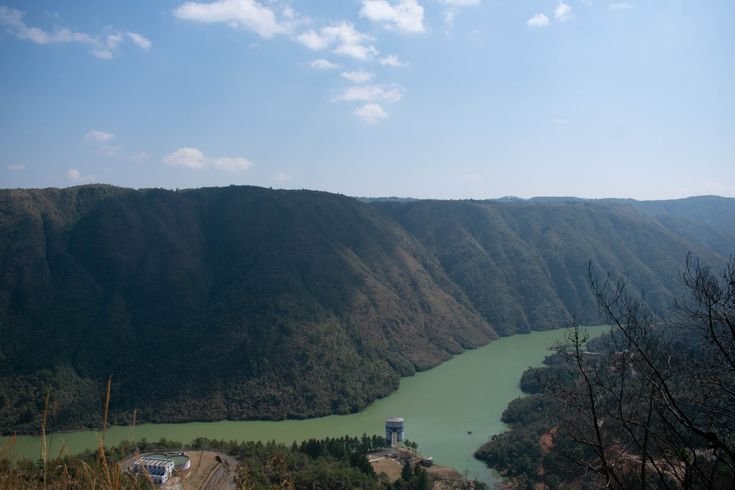
Mawphlang Dam Water Project Shillong: A Game-Changer
The Mawphlang Dam water project Shillong has reached a crucial milestone. Public Health Engineering Minister Marcuise Marak oversaw the testing of pumping systems under the Greater Shillong Water Supply Scheme Phase-III, ensuring an additional 8 million litres per day will flow into the city’s pipelines.
This achievement marks a turning point for Shillong, a city that has long struggled with water shortages due to rapid urban growth and limited infrastructure. The project promises to transform daily life for thousands of residents.
Greater Shillong Water Supply Scheme Phase-III Explained
The Greater Shillong Water Supply Scheme Phase-III is designed to modernize and expand the city’s water infrastructure. By harnessing the capacity of the Mawphlang Dam, the scheme ensures sustainable water distribution across urban and semi-urban areas.
Key Features of Phase-III
- Enhanced pumping systems tested successfully.
- 8 million litres per day added to supply.
- Coverage expansion to underserved localities.
- Focus on sustainability with modern technology.
This phase builds on earlier efforts, but its scale and efficiency make it the most ambitious yet.
Why Shillong Needed the Boost
Shillong, known as the “Scotland of the East,” faces increasing water demand due to population growth, tourism, and urbanization. Seasonal shortages have often left households and businesses struggling.
Challenges Before the Project
- Unequal distribution across neighborhoods.
- Dependence on rainfall for water availability.
- Aging infrastructure unable to meet demand.
The Mawphlang Dam water project Shillong directly addresses these issues, ensuring reliable supply even during dry months.
Minister Marcuise Marak’s Oversight
Public Health Engineering Minister Marcuise Marak personally supervised the testing of pumping systems, signaling the government’s commitment to transparency and efficiency. His involvement reassures citizens that the project is on track and that accountability remains a priority.
Marak emphasized that the scheme is not just about numbers but about improving quality of life. With modern pumping systems, water delivery will be faster, cleaner, and more consistent.
Impact on Residents and Businesses
The additional 8 million litres per day will benefit households, schools, hospitals, and businesses across Shillong. Reliable water supply means fewer disruptions, improved hygiene, and better support for economic activities.
Benefits at a Glance
- Households: Consistent access to clean water.
- Healthcare: Improved sanitation in hospitals.
- Education: Schools with reliable water facilities.
- Tourism: Better infrastructure for visitors.
This project strengthens Shillong’s reputation as a growing urban hub while safeguarding public health.
Sustainability and Future Plans
Beyond immediate relief, the project emphasizes sustainability. Engineers have incorporated modern pumping technology to reduce energy consumption and minimize environmental impact.
The government also plans to expand similar schemes to other parts of Meghalaya, ensuring equitable access to water resources. For more details on water infrastructure projects, visit the Meghalaya Public Health Engineering Department.
Community Engagement Matters
While infrastructure is vital, community participation remains key. Citizens are encouraged to conserve water, report leaks, and support awareness campaigns. Together, Shillong can ensure that the Mawphlang Dam water project Shillong delivers lasting benefits.