


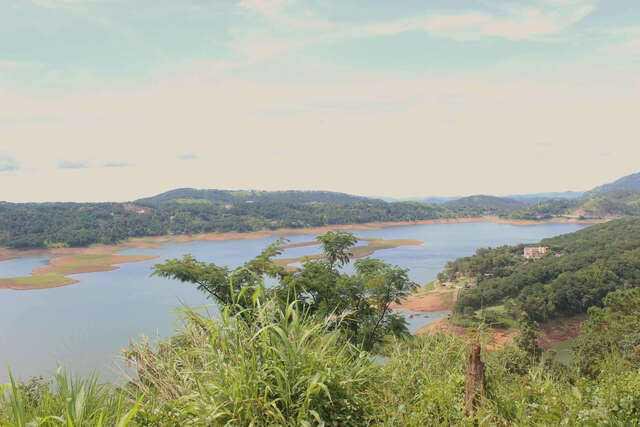
Environmental activists in Meghalaya have raised serious concerns over the growing threat to wetlands due to proposed resort development projects. They have urged authorities to take immediate steps to protect these fragile ecosystems, which play a vital role in maintaining ecological balance.
The activists emphasized that wetlands act as natural water reservoirs, support biodiversity, and help regulate climate patterns. However, increasing commercial activities have started to put pressure on these sensitive areas.
Read More: Arunachal Congress Forms Panels to Probe Mining, Highway Issues
According to them, unplanned construction and land conversion could lead to irreversible damage. Therefore, they have called for stricter regulations and proper environmental assessments before approving any development projects.
Their concerns come at a time when tourism infrastructure is expanding in several parts of the state. While development brings economic opportunities, it also raises questions about sustainability.
Concerns over resort development near ecologically sensitive areas
Activists have specifically pointed to resort development plans near wetland zones in Meghalaya. They argue that such projects can disrupt natural habitats and affect water systems.
Construction activities often involve land clearing, which can destroy vegetation and disturb wildlife. In addition, increased human activity can lead to pollution and waste management challenges.
The activists stressed that wetlands are highly sensitive to changes in their surroundings. Even minor alterations can have significant consequences for the ecosystem.
Moreover, they highlighted that wetlands serve as breeding grounds for various species. Any disruption can impact biodiversity and lead to long-term ecological imbalance.
They have urged authorities to carefully evaluate the potential impact of these projects.
Demand for stricter environmental regulations
Environmental groups in Meghalaya have called for stronger enforcement of existing laws. They believe that current regulations are not sufficient to address the scale of development pressures.
They have demanded mandatory environmental impact assessments for all resort projects near wetlands. Such assessments can help identify risks and suggest mitigation measures.
In addition, activists have urged the government to designate certain wetland areas as protected zones. This step can prevent unauthorized construction and ensure long-term conservation.
They also called for regular monitoring of development activities. By keeping a close watch, authorities can ensure compliance with environmental standards.
The demand for stricter regulations reflects the urgency of the situation.
Balancing tourism growth with environmental conservation
Tourism remains an important sector in Meghalaya. The state’s natural beauty attracts visitors from across the country. However, activists argue that development must not come at the cost of environmental degradation.
They emphasized the need for sustainable tourism practices. This includes eco-friendly construction, proper waste management, and minimal disturbance to natural habitats.
Moreover, they suggested that local communities should play a key role in planning and managing tourism projects. Community involvement can ensure that development aligns with environmental and cultural values.
Authorities have also acknowledged the importance of balancing growth with conservation. However, activists believe that more concrete steps are needed to achieve this balance.
Role of wetlands in climate resilience
Wetlands play a crucial role in enhancing climate resilience. They help absorb excess rainfall, reduce flood risks, and maintain groundwater levels.
In Meghalaya, where rainfall patterns can be intense, wetlands act as natural buffers. Therefore, their preservation is essential for disaster management.
Activists warned that destroying wetlands could increase vulnerability to climate-related risks. Flooding and water scarcity may become more frequent if these ecosystems are compromised.
They also highlighted the role of wetlands in carbon sequestration. By storing carbon, wetlands help mitigate the effects of climate change.
Protecting these ecosystems, therefore, has both local and global significance.
Community voices join conservation efforts
Local communities in Meghalaya have also joined the call for wetland protection. Many residents depend on these ecosystems for their livelihoods, including fishing and agriculture.
Community members have expressed concerns that unchecked development could affect their way of life. They have urged authorities to consider their perspectives while making decisions.
In addition, grassroots organizations have started awareness campaigns to educate people about the importance of wetlands. These initiatives aim to build support for conservation efforts.
The involvement of communities strengthens the movement for environmental protection. It also ensures that conservation strategies are inclusive and practical.
Government response and future outlook
The government of Meghalaya has acknowledged the concerns raised by activists. Officials have stated that they will review development proposals carefully and ensure compliance with environmental norms.
However, activists continue to push for more decisive action. They believe that early intervention is crucial to prevent long-term damage.
Experts suggest that adopting a comprehensive policy on wetland conservation can address these challenges. Such a policy can provide clear guidelines for development and protection.
Furthermore, collaboration between government agencies, experts, and communities can lead to better outcomes. By working together, stakeholders can find solutions that balance development and conservation.
A critical moment for wetland conservation in Meghalaya
The growing debate over resort development and wetland protection highlights a critical moment for Meghalaya. Decisions taken now will shape the state’s environmental future.
Activists have made it clear that protecting wetlands is not just an environmental issue but also a social and economic one. These ecosystems support livelihoods, enhance resilience, and preserve biodiversity.
As discussions continue, the focus will remain on finding a sustainable path forward. Balancing development with conservation will require careful planning and strong commitment.
The outcome of this issue will determine how Meghalaya manages its natural resources in the years to come. By prioritizing environmental protection, the state can ensure long-term benefits for both people and nature.
Read More: TTAADC Election Results Counting Begins Under Tight Security