


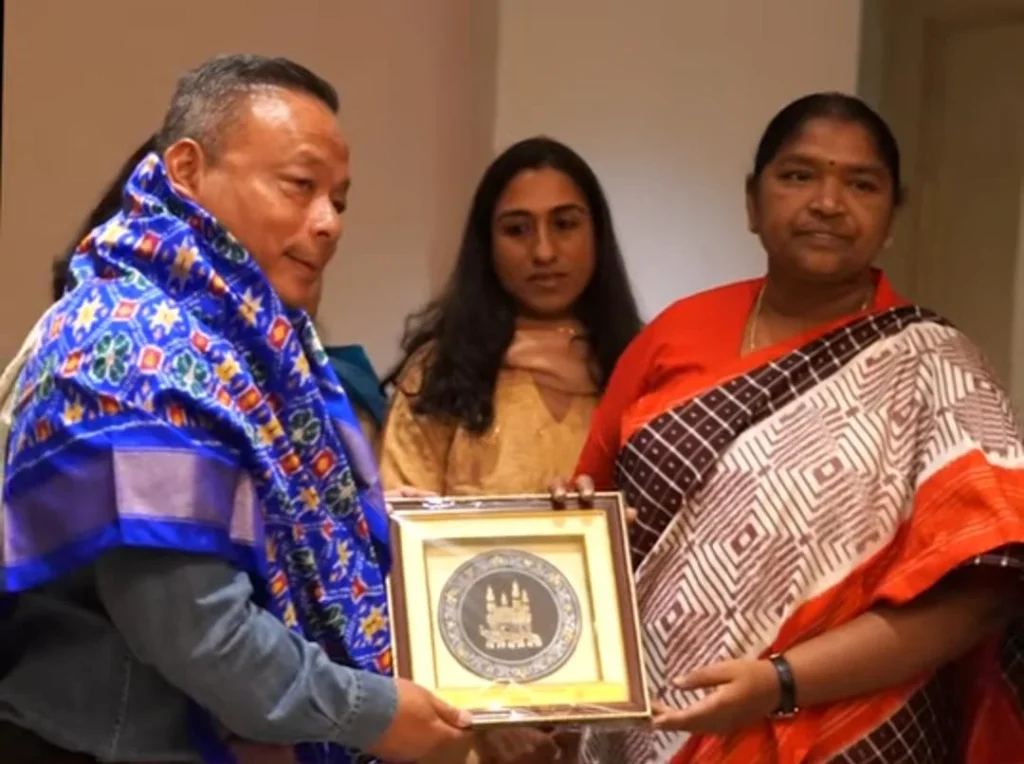
Meghalaya and Telangana have launched a collaborative effort to strengthen early childhood development through community-driven welfare systems. In a high-level meeting, leaders from both states discussed strategies to improve grassroots human development. Meghalaya showcased its Early Childhood Development Mission as a successful model with measurable impact. Officials from both sides agreed to share knowledge and replicate effective programs. The partnership aims to improve long-term outcomes for women and children.
Read More: Bengal Elections: Modi Predicts Landslide Victory, Cites High Voter Turnout – Borok Times
Key Facts
- States Involved: Meghalaya and Telangana
- Key Leaders: Paul Lyngdoh, Danasari Anasuya Seethakka
- Focus Area: Early Childhood Development (ECD)
- Programs Highlighted: ECD Fellowship, Human Development Leadership Initiative
- Officials Present: P Sampath Kumar, Ronald Kynta
- Objective: Community-led welfare and human development
States Join Hands for Human Development
Meghalaya and Telangana have taken a significant step toward improving early childhood development by forming a collaborative partnership. Leaders from both states met to exchange ideas and strengthen welfare systems at the grassroots level.
Paul Lyngdoh held discussions with Danasari Anasuya Seethakka to explore ways to expand community-driven development initiatives.
Meghalaya Showcases Successful Models
During the meeting, Meghalaya officials presented the state’s Early Childhood Development Mission as a model for national replication. The initiative has gained recognition for its strong community engagement and measurable outcomes.
Programs such as the ECD Fellowship and the Human Development Leadership Initiative have delivered results at the village level. These initiatives train local leaders and empower communities to take ownership of development goals.
Knowledge Sharing Across States
The Meghalaya delegation included senior officials like P Sampath Kumar and Ronald Kynta. They engaged with Telangana counterparts to discuss how similar programs can adapt to different regional contexts.
Telangana leaders expressed interest in replicating Meghalaya’s approach to community-led development. Both sides emphasized that knowledge exchange would help improve policy design and implementation.
Focus on Women and Child Welfare
The partnership prioritizes the welfare of women and children by strengthening early childhood systems. Officials stressed the importance of investing in early years to ensure better health, education, and social outcomes.
By involving local communities, the initiative aims to create sustainable solutions that address real needs on the ground.
Building a Sustainable Development Model
Both governments highlighted the importance of community participation in ensuring long-term success. They believe that development programs must involve local stakeholders to remain effective.
This collaboration signals a shift toward people-driven governance, where communities actively shape and sustain development initiatives.
Q&A Section
Q1: What is the collaboration between Meghalaya and Telangana about?
Both states are working together to improve early childhood development through community-led initiatives.
Q2: Who are the key leaders involved?
Paul Lyngdoh from Meghalaya and Danasari Anasuya Seethakka from Telangana led the discussions.
Q3: Which programs were highlighted?
The ECD Fellowship and the Human Development Leadership Initiative.
Q4: What is the main objective of the partnership?
To share successful models and improve welfare systems for women and children.
Q5: Why is community participation important?
Community involvement ensures long-term sustainability and better implementation of development programs.
Location Context
Meghalaya plays a key role in pioneering community-driven development models in Northeast India. Collaborations with states like Telangana can help expand these successful approaches across the country.
Also Read: Himanta Biswa Sarma Warns Over Attacks in Bengal Polls