


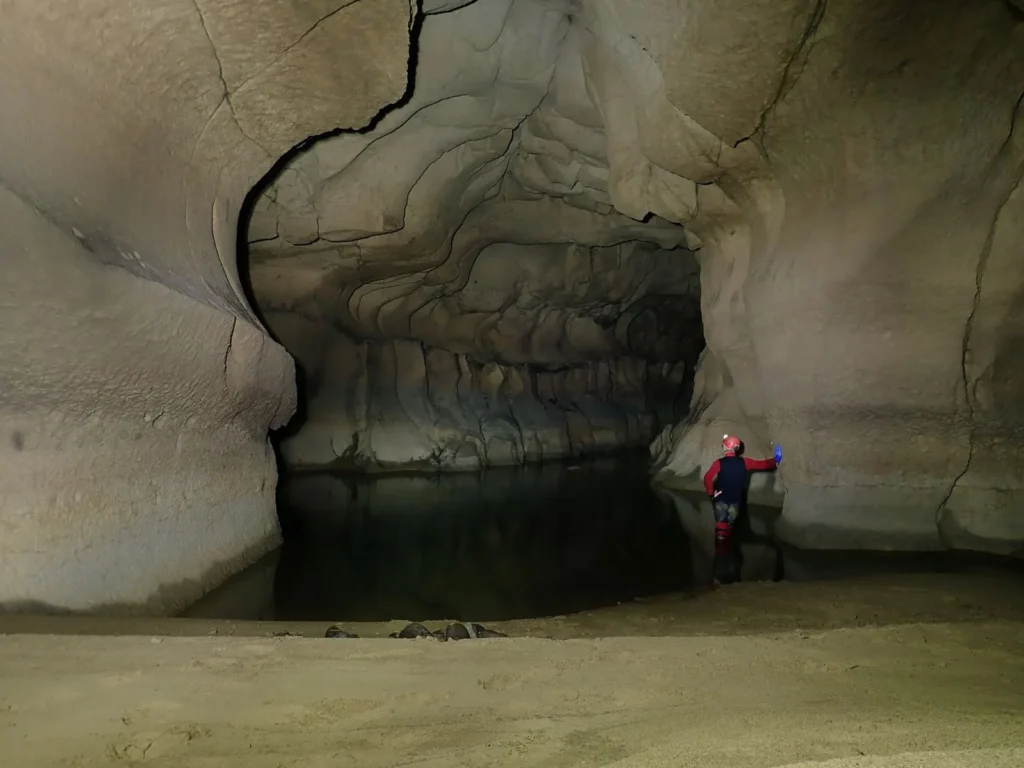
A cave exploration team in Meghalaya has successfully mapped three new limestone cave systems in the Jaintia Hills region, adding to the state’s reputation as one of the world’s most significant karst landscapes. The discovery is expected to contribute to geological research, biodiversity studies, and eco-tourism opportunities. Moreover, experts involved in the expedition stated that the newly documented cave systems reveal unique underground formations and further highlight the rich natural heritage of Meghalaya. The achievement underscores the importance of scientific exploration and conservation.
Meghalaya Local Pine Honey Brands Find International Export Buyers Through Central Trade Portals
Newly Mapped Cave Systems Expand Geological Knowledge
Meghalaya cave exploration team maps three new limestone systems in Jaintia Hills, providing valuable insights into the region’s complex underground landscape. Consequently, researchers are expected to gain a better understanding of the geological history and evolution of these formations.
The expedition documented several chambers, passages, and natural limestone structures within the newly identified cave systems. Moreover, detailed surveys and mapping exercises were conducted to record their characteristics. Therefore, the findings are expected to support future scientific studies.
Experts emphasized that Meghalaya’s limestone terrain remains one of the most fascinating cave regions in the world. Furthermore, continuous exploration contributes to expanding knowledge about subterranean ecosystems. As a result, the state continues to attract attention from geologists and speleologists.
Meanwhile, additional studies are being planned to analyze the features of the newly discovered systems. Consequently, researchers are likely to uncover further information about the area’s geological significance.
Discovery Expected to Support Biodiversity Research
Meghalaya cave exploration team maps three new limestone systems in Jaintia Hills with potential implications for biodiversity conservation. Moreover, cave ecosystems often support unique species and delicate environmental conditions. Therefore, scientific documentation is essential.
Researchers highlighted that underground habitats can contain rare flora and fauna adapted to specific conditions. Consequently, the newly mapped systems may become important sites for biological studies. Such discoveries contribute to understanding ecological diversity.
Furthermore, careful research and monitoring can help ensure that these fragile environments are protected. As a result, conservation efforts are expected to receive greater emphasis.
Meanwhile, experts are encouraging collaboration between geologists, environmentalists, and academic institutions. Similarly, awareness regarding cave conservation is being promoted.
Potential Boost for Eco-Tourism and Scientific Exploration
The Meghalaya cave exploration team maps three new limestone systems in Jaintia Hills as interest in sustainable tourism and adventure exploration continues to grow. Moreover, Meghalaya has long been recognized for its natural attractions and cave networks. Therefore, the discovery could enhance the state’s eco-tourism potential.
Officials and tourism stakeholders believe that responsible promotion of such sites may attract visitors interested in nature and geology. Consequently, local communities could benefit from increased tourism-related opportunities. Such developments support economic growth while encouraging environmental awareness.
Furthermore, scientific exploration activities can strengthen the state’s profile as a destination for research and adventure tourism. As a result, Meghalaya’s natural heritage may gain wider recognition.
Meanwhile, authorities are emphasizing the importance of balancing tourism with conservation. Similarly, sustainable management practices are being encouraged.
Preserving Meghalaya’s Unique Natural Heritage
The discovery reflects the ongoing efforts of exploration teams to document and preserve Meghalaya’s remarkable geological treasures. Moreover, the Jaintia Hills region has long been known for its extensive limestone formations. Therefore, continued research remains essential.
Experts stated that proper documentation and conservation are vital for safeguarding these underground systems for future generations. Consequently, studies and protective measures are expected to continue. Such initiatives contribute to preserving natural heritage and promoting scientific understanding.
Furthermore, collaborations with research institutions and conservation groups are being strengthened. As a result, the state may witness increased interest in geological and environmental studies.
Meanwhile, awareness regarding the significance of cave ecosystems is being expanded. Similarly, future expeditions are likely to explore additional unexplored regions.
Conclusion
Meghalaya cave exploration team maps three new limestone systems in Jaintia Hills, marking a significant achievement for geological research and natural heritage conservation. Moreover, the discovery is expected to contribute to scientific knowledge and strengthen eco-tourism opportunities.
The newly documented cave systems highlight the extraordinary diversity of Meghalaya’s underground landscapes. Therefore, they represent an important addition to the state’s rich environmental legacy.
As the Meghalaya cave exploration team maps three new limestone systems in Jaintia Hills, the achievement underscores the value of exploration, research, and conservation in understanding and protecting nature’s hidden wonders.
FAQs
1. What has the Meghalaya cave exploration team discovered?
The team has mapped three new limestone cave systems in Jaintia Hills.
2. Why are these discoveries important?
They contribute to geological research, biodiversity studies, and conservation efforts.
3. Where are the newly mapped cave systems located?
They are located in the Jaintia Hills region of Meghalaya.
4. Can the discovery benefit tourism?
Yes, it may enhance eco-tourism and adventure tourism opportunities.
5. Why is cave conservation important?
Caves contain fragile ecosystems and valuable geological features that need protection.