


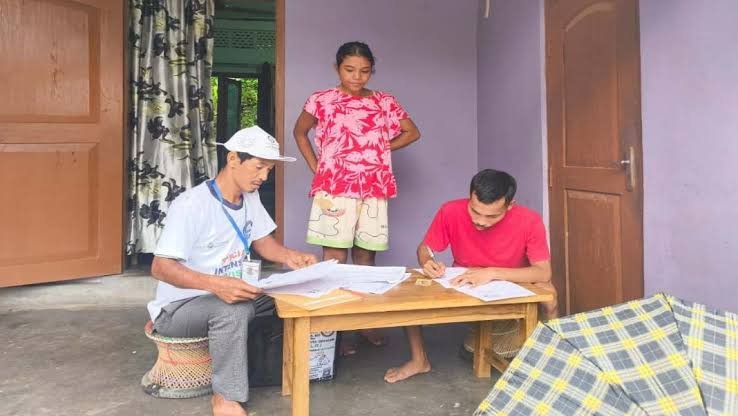
Meghalaya’s electorate has fallen to around 2.16 million voters following a house-to-house verification exercise aimed at updating and improving the state’s electoral rolls. The exercise has brought renewed attention to voter verification, duplicate entries, migration, deceased electors, and the need to maintain accurate voter records.
The revision comes as election authorities undertake a detailed review of electoral information. Moreover, house-to-house verification allows officials to identify discrepancies that may not become apparent through database checks alone.
The change in the electorate has also increased attention among political parties and civil society groups. However, a reduction in the draft or revised roll does not automatically mean that every omitted name represents a permanent deletion, as applicable claims, objections, and correction procedures remain important parts of electoral-roll revision.
Tripura CEO Brijesh Pandey Locks Dates for Special Electoral Revision
Meghalaya Reviews Electoral Rolls
Election authorities have undertaken the house-to-house exercise to improve the accuracy of Meghalaya’s voter database.
Field-level officials can verify voter information directly and identify records that require correction or further examination. Furthermore, the process can help authorities update information when voters have moved, died, or registered elsewhere.
The exercise therefore provides an important administrative check on electoral records.
However, officials must follow established procedures before making final changes to voter registrations.
Electorate Falls to 2.16 Million
The revised electoral figure now stands at approximately 2.16 million voters following the verification exercise.
The reduction reflects changes identified during the electoral-roll review. Moreover, the updated figure provides election authorities with a more current picture of the state’s registered electorate.
Such revisions can occur when officials remove or flag records that no longer meet the applicable conditions for inclusion.
However, the precise reasons behind individual changes can vary and require case-by-case examination.
House-to-House Verification Finds Discrepancies
House-to-house verification allows election officials to check voter information at the local level.
Officials can identify households where registered voters have moved away or where records contain incorrect information. Additionally, the exercise can help detect entries involving deceased persons or potential duplicate registrations.
Direct verification can therefore improve the reliability of electoral databases.
However, field verification also requires careful documentation and consistent application of electoral rules.
Duplicate Entries Remain a Concern
Duplicate voter registrations can create inaccuracies in electoral rolls.
When officials identify potentially duplicated records, they can examine the relevant information and determine whether corrective action is required. Furthermore, voters who have moved between constituencies may need to update their registration details.
The revision process provides an opportunity to address such inconsistencies.
However, authorities should verify suspected duplicates before removing any legitimate voter entry.
Migration Can Change Electoral Records
Population movement can also affect the accuracy of voter lists.
People may move to other districts or states for employment, education, family reasons, or other circumstances. Moreover, outdated registrations can remain on electoral databases if voters do not update their information.
House-to-house verification can help identify such changes.
However, officials must distinguish temporary movement from permanent changes in electoral residence according to the applicable rules.
Deceased Voters Require Record Updates
Electoral authorities also need to update records when registered voters die.
Keeping such entries on electoral rolls can make voter databases less accurate. Additionally, local verification can help officials identify records that require further examination.
Updating these records forms part of routine electoral-roll management.
However, officials must confirm relevant information before making final changes.
Eligible Voters Need Protection
Accuracy remains only one part of electoral-roll management.
Election authorities must also ensure that eligible voters do not lose their registration because of administrative errors. Moreover, claims and objection mechanisms provide an important safeguard when voters discover that their names have disappeared or their details contain mistakes.
These procedures can help maintain public confidence.
However, affected voters need to act within the applicable procedures and deadlines.
Political Parties May Monitor Changes
The reduction in Meghalaya’s electorate could attract close attention from political parties.
Parties may compare revised electoral data with earlier rolls and identify areas where substantial changes have occurred. Furthermore, they may encourage supporters to verify their names and raise concerns through official channels.
Such scrutiny can contribute to transparency.
However, changes in electoral numbers do not by themselves establish wrongdoing or manipulation.
Tribal and Rural Areas Need Attention
Meghalaya’s distinctive geography and community structure make effective voter verification particularly important.
Many communities live in rural or difficult-to-access areas, which can create logistical challenges for election officials. Moreover, authorities need to ensure that eligible voters in remote areas receive information about verification and correction procedures.
Local outreach can therefore support a more inclusive process.
However, election officials must apply the same legal standards throughout the state.
Digital Systems Support Verification
Modern electoral databases can assist officials during voter-roll revision.
Digital records make it easier to identify possible duplicate entries, compare information, and process corrections. Additionally, electronic systems can improve coordination between different levels of election administration.
Technology can consequently strengthen the accuracy of voter records.
However, digital tools cannot replace careful verification of individual cases.
Claims and Objections Remain Important
The publication of a revised or draft electoral roll does not necessarily end the revision process.
Voters whose names do not appear can use the applicable claims and objection procedures to seek correction or inclusion. Furthermore, officials can examine supporting information before making decisions on disputed entries.
This process provides an important safeguard for eligible electors.
However, voters should consult official election authorities for current forms, deadlines, and requirements.
Electoral Trust Could Be Affected
Large changes in voter numbers can generate public questions about electoral administration.
Transparent communication can help explain why the electorate changed and how affected voters can respond. Moreover, clear publication of procedures can reduce confusion and prevent misinformation.
Election authorities therefore face an important communication responsibility.
However, public discussion should distinguish verified administrative data from political speculation.
Legal Questions Could Emerge
Electoral-roll revisions can sometimes result in legal disputes.
Affected voters or organisations may challenge decisions if they believe officials failed to follow applicable procedures. Additionally, courts can examine electoral disputes when administrative remedies do not resolve significant legal questions.
The possibility of legal scrutiny makes procedural compliance important.
However, the existence of a reduced electorate does not itself indicate that a legal violation has occurred.
Future Elections Increase Importance
The revised electorate will matter for future elections in Meghalaya.
Accurate voter lists help election authorities plan polling arrangements, allocate resources, and manage constituency-level electoral operations. Furthermore, political parties rely on voter rolls when organising campaigns and assessing local electoral dynamics.
The updated figure therefore has administrative and political significance.
However, the final electoral roll can change further after claims, objections, and corrections.
Voters Can Check Their Details
The verification exercise also highlights the importance of individual voter participation.
Electors should check whether their names and details appear correctly in the applicable electoral roll. Moreover, anyone who discovers an error should use the official correction or inclusion mechanism.
Active voter participation can help identify administrative mistakes.
However, voters should rely on official election authorities for accurate information rather than unofficial claims.
Conclusion
Meghalaya’s electorate has fallen to around 2.16 million following a house-to-house verification exercise designed to improve the accuracy of the state’s electoral rolls. The revision has brought attention to issues such as duplicate entries, deceased voters, migration, outdated records, and the verification of voter information.
Moreover, the exercise highlights the need to balance accurate electoral databases with strong safeguards for eligible voters. Claims, objections, and correction mechanisms remain important because a change in a draft or revised roll does not necessarily represent a final determination in every individual case.
Overall, the updated electorate provides an important snapshot of Meghalaya’s voter database after the verification exercise. The final impact will depend on subsequent corrections, official scrutiny, and the completion of the applicable electoral-roll revision process.
FAQs
1. How large is Meghalaya’s electorate after the verification?
The electorate stands at approximately 2.16 million voters following the house-to-house verification exercise.
2. Why did the electorate decline?
Electoral-roll verification can identify deceased voters, duplicate entries, people who have moved, and other records requiring correction or removal under applicable rules.
3. Is every omitted voter permanently deleted?
Not necessarily. Depending on the stage of revision, affected voters may have access to claims, objections, or correction procedures.
4. Why is house-to-house verification important?
It allows election officials to check voter information directly and identify discrepancies that may not be apparent from existing databases.
5. Can voters challenge an incorrect change?
Eligible voters can use the applicable electoral procedures to seek correction or inclusion. They should check official election notifications for the relevant process and deadlines.