


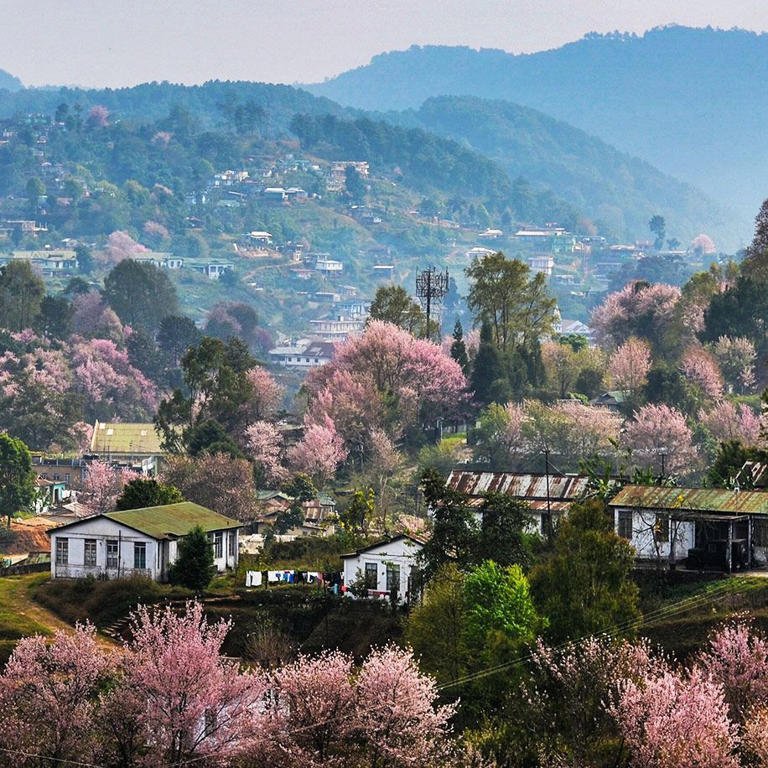
Meghalaya’s vibrant festivals have evolved into major economic boosters, drawing travellers, artists and cultural enthusiasts from across India. With unique celebrations like Wangala, Shad Suk Mynsiem, Cherry Blossom Festival and the increasingly popular music carnivals, the state has positioned itself as a cultural hotspot. As a result, Meghalaya’s festivals powering local economies has become a defining narrative of tourism-led growth in the region.
For many travellers, these festivals offer more than entertainment—they create immersive cultural experiences. Rohan, a young techie from Pune, is one such traveller. After months of planning, he decided to visit Meghalaya not only for a holiday but to witness the blend of music, art and community celebrations. He also hopes to find a stage for his new band, Chromatic Wave, which aims to perform at one of the region’s indie music events. His excitement reflects a growing trend among young Indians who seek culturally rich destinations.
Read More: Tripura’s Growth Under CM Manik Saha
Rohan began his journey by hiring a cab from Guwahati to Shillong. The route remains one of the busiest tourism corridors in the Northeast, especially during festival season. Because of this steady flow of visitors, hundreds of cab operators earn livelihoods year-round. Drivers note that festival months bring the highest demand, as tourists prefer private cabs for flexible travel. These interactions also allow travellers to learn about local culture directly from the people who know the land best.
After reaching Shillong, Rohan checked into a homestay—now a preferred accommodation option among young travellers. Homestays offer warmth, personalised service and insight into Khasi lifestyle. Consequently, homestay owners see higher occupancy during festivals. This increased demand helps families earn stable incomes, upgrade their property and invest in tourism services like guided tours, local cuisine and craft experiences.
Meghalaya’s Festivals Powering Local Economies by Supporting Small Businesses
Cultural festivals in Meghalaya create economic ripples that reach far beyond event venues. Small-scale entrepreneurs earn significantly from tourist visits. Street food vendors, local artisans, café owners, souvenir makers, taxi drivers and adventure guides all benefit from the surge in footfall. Hence, Meghalaya’s festivals powering local economies is not just a headline but a lived reality for thousands.
During popular festivals, markets buzz with activity. Visitors explore stalls selling traditional attire, handwoven products, bamboo crafts and handmade jewellery. Artisans who prepare for months find the festival season crucial for income generation. Many say they earn more during one festival than in several regular weeks combined.
Additionally, the growing popularity of music festivals has helped youth-led businesses flourish. Indie musicians, sound technicians, event organisers and performers receive opportunities to showcase their talent. For artists like those in Rohan’s band, Meghalaya provides a creative platform that blends natural beauty with cultural vibrancy.
Food remains an important attraction. Tourists love trying local dishes like jadoh, dohneiiong and tungrymbai. Small eateries and pop-up kitchens strategically set up near festival grounds record strong sales throughout the season. Since travellers increasingly seek authentic culinary experiences, food entrepreneurs benefit from the rising demand.
Local transport services also experience a major boost. Shared taxis and local drivers earn more during festivals as tourists travel between venues, nearby towns and scenic viewpoints. The economic chain built around these festivals sustains livelihoods throughout the year, especially in rural pockets.
Meghalaya’s Festivals Powering Local Economies by Promoting Cultural and Rural Participation
The impact of Meghalaya’s festivals powering local economies goes beyond urban centres like Shillong. Rural communities participating in cultural events benefit from increased visibility and tourism-driven income. Many villages host dance performances, folklore displays and traditional sports, attracting visitors eager to experience authentic tribal culture.
Homestays in rural areas have also grown rapidly. Travellers increasingly prefer staying close to nature, surrounded by hills, forests and waterfalls. Rural hosts use earnings to improve infrastructure, support children’s education and promote sustainable tourism. Because of this, festival-driven tourism plays a vital role in reducing urban-rural income gaps.
Furthermore, Meghalaya’s festivals also promote women-led entrepreneurship. Women dominate local markets, food stalls and cultural stalls during festivals. Their participation boosts household earnings and strengthens community involvement. With growing tourism, several women’s groups have started selling packaged snacks, traditional crafts and eco-friendly products.
Government initiatives further support this ecosystem. Tourism departments collaborate with local councils to improve infrastructure, lighting, accessibility and venue management. These efforts ensure that festivals run smoothly and attract more visitors each year. The improved connectivity between Shillong, Cherrapunji, Dawki and other destinations also helps visitors explore more places during their visit.
Meghalaya’s Festivals Powering Local Economies by Inspiring New Travel Trends
As young travellers like Rohan explore Meghalaya’s festivals, a new wave of tourism trends emerges. Many visitors now combine festival attendance with adventure activities such as trekking, caving, ziplining and kayaking. This integrated approach creates fresh opportunities for local adventure operators.
Moreover, social media plays a huge role. Influencers and travellers share their festival experiences online, turning Meghalaya into a trending destination during peak season. This digital visibility brings more tourists, boosting the state’s economy even further.
Rohan’s journey across Northeast India—covering Meghalaya, Assam and Arunachal Pradesh—reflects a broader trend where travellers choose multi-state itineraries. Because of this pattern, the economic benefits extend across the entire region. A single traveller supports cab drivers, homestays, restaurants, craft sellers and guides across several states.
As Meghalaya continues celebrating its diverse festivals, the cultural richness draws more visitors each year. The three pillars of tourism—culture, community and creativity—have positioned the state as a powerful economic hub in the Northeast. With festivals at its heart, Meghalaya’s tourism ecosystem grows stronger, creating livelihoods and empowering local communities.