


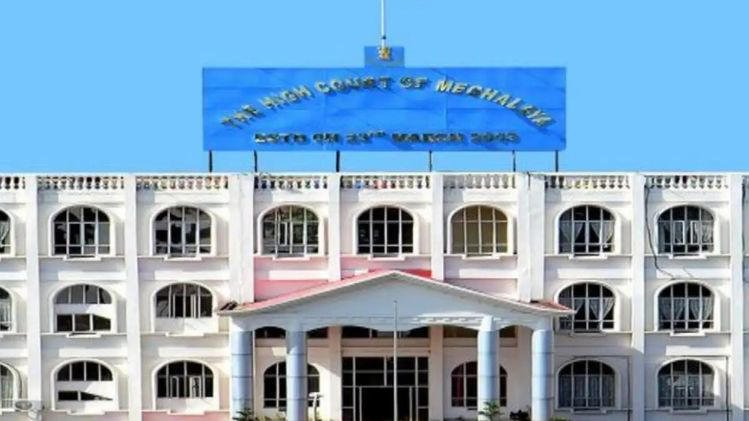
The Meghalaya High Court has directed the state authorities to take prompt action against those responsible for violence during a rally in Shillong. The court expressed concern over the unrest and stressed the need to identify those involved and take action according to the law.
The violence during the rally disrupted normal life and raised serious concerns about public safety. The High Court’s direction puts the focus on a quick and effective response from the authorities.
The court asked the concerned agencies to act against those who planned, encouraged or took part in the violence. The authorities must also ensure that similar incidents do not take place in the future.
The case has drawn attention because Shillong is an important administrative and commercial centre in Meghalaya. Any major violence in the city can affect residents, businesses, students and travellers.
The High Court’s intervention highlights the need to protect the right to peaceful protest while ensuring that demonstrations do not turn violent.
Read More: Tripura CM, NITI Aayog Member Discuss Roadmap for State’s Development
High Court Calls for Prompt Action
The Meghalaya High Court made it clear that the authorities must act quickly against those behind the violence.
Law enforcement agencies need to identify the people who played a role in the incident. They must collect evidence and take legal action against those found responsible.
The court’s direction aims to ensure accountability. Violence during a public rally can cause damage to property and put innocent people at risk.
The authorities must investigate the incident carefully. At the same time, they need to act without unnecessary delay.
A quick response can help maintain public confidence in the administration. It can also send a clear message that violence will not be tolerated.
The court has placed responsibility on the concerned authorities to follow the law and take the necessary steps.
Violence During Shillong Rally Raises Concerns
The violence during the Shillong rally caused concern among residents and officials. Public demonstrations can provide people with a platform to raise their concerns. However, violence can create fear and disrupt daily life.
When a protest turns violent, the situation can quickly affect people who have no connection with the rally. Local businesses may close, traffic can come to a halt and students may face difficulties reaching schools and colleges.
The unrest can also create a sense of insecurity among residents. People may avoid travelling or visiting crowded areas.
Shillong serves as Meghalaya’s capital and remains a major centre for education, government and business. Maintaining peace in the city is therefore important for the wider state.
The authorities now face the task of restoring normalcy and addressing the events that led to the violence.
Identifying Those Responsible
A key part of the High Court’s direction involves identifying the people responsible for the violence.
Police and other investigating agencies may examine available evidence, including videos, photographs and witness accounts. These materials can help authorities understand how the violence began and who took part.
The investigation may also examine whether any individuals or groups planned or encouraged violent activities.
However, authorities must ensure that the investigation follows due process. Action should be based on evidence and not on assumptions.
The focus should remain on identifying those directly responsible for unlawful acts. Innocent people should not face action simply because they were present near the site of the rally.
A fair investigation can help establish accountability while protecting the rights of all individuals.
Balancing the Right to Protest and Public Safety
The incident has also renewed the discussion around peaceful protest and public order.
In a democracy, citizens have the right to express their views and raise concerns. Public rallies and demonstrations often play an important role in political and social movements.
However, this right comes with the responsibility to maintain peace. Violence, damage to public property and attacks on individuals can undermine the purpose of a protest.
The authorities must strike a balance. They should protect peaceful demonstrations while acting firmly against unlawful and violent behaviour.
The High Court’s direction reflects the importance of this balance. Peaceful expression must remain protected, but those responsible for violence must face action under the law.
Role of Police and State Authorities
The Meghalaya Police and other state agencies have an important role in investigating the Shillong rally violence.
They need to gather evidence, identify suspects and take action under relevant laws. They also need to maintain peace and prevent any fresh violence.
Authorities may increase security in sensitive areas if they believe further unrest is possible.
Clear communication with the public will also remain important. Official updates can help stop the spread of rumours and misinformation.
The state government must also review the response to the incident. It can examine whether authorities had enough information before the rally and whether stronger preventive steps could have reduced the risk of violence.
Such a review can help improve the handling of future public gatherings.
Impact on Shillong and Its Residents
Violence can have a wider impact beyond the immediate area where it takes place.
Shops and businesses may suffer losses when they have to close. Workers can lose daily income, while students may face disruptions to their education.
Public transport and traffic can also face problems. Residents may struggle to travel for work, healthcare or other essential needs.
The incident can also affect Shillong’s image as an important tourist and educational destination.
Restoring normalcy therefore requires more than controlling the immediate situation. The authorities must also help residents regain a sense of safety and confidence.
Quick action against those responsible can play an important role in this process.
Need to Prevent Similar Incidents
The High Court’s direction also brings attention to the need to prevent similar incidents in the future.
Authorities can improve planning and security arrangements for large rallies. They can also stay in close contact with organisers before and during public events.
Clear rules can help organisers understand their responsibilities. Police can identify sensitive areas and prepare for possible problems.
Better communication between organisers, local authorities and law enforcement agencies can also help reduce tensions.
Technology can support these efforts. CCTV cameras and other monitoring tools can help authorities track developments and respond quickly when violence begins.
However, prevention should also involve dialogue. Addressing concerns before they grow into larger tensions can help maintain peace.
Public Response and Rule of Law
The High Court’s direction sends a strong message about the importance of the rule of law.
People have the right to raise their concerns through peaceful and democratic means. At the same time, no individual or group has the right to use violence or put others at risk.
The action taken after the court’s direction will now be closely watched. The public will expect authorities to conduct a fair and effective investigation.
The process must also remain transparent. People should receive clear information about the steps authorities are taking to deal with the incident.
Accountability can help build trust between the public and law enforcement agencies.
Looking Ahead
The Meghalaya High Court’s direction for prompt action against those behind the Shillong rally violence has placed the focus firmly on accountability and public safety.
The authorities must now identify those responsible, collect evidence and take action according to the law. At the same time, they must ensure that the investigation remains fair and follows due process.
The immediate priority will be to maintain peace and restore normal life in Shillong. The state government and law enforcement agencies will also need to take steps to prevent similar incidents.
The case highlights an important principle: citizens can peacefully express their views, but violence cannot become part of democratic protest.
As the investigation moves forward, the response of the authorities will remain important. Prompt and lawful action can help restore public confidence and send a clear message that those responsible for violence will face consequences.
The Shillong rally violence has raised serious concerns, but it also provides an opportunity for authorities to strengthen security planning, improve coordination and ensure that future demonstrations remain peaceful.
Read More: Rahul Gandhi Alleges RSS Attempting Ideological Imposition, Says ‘They Know Everything’