


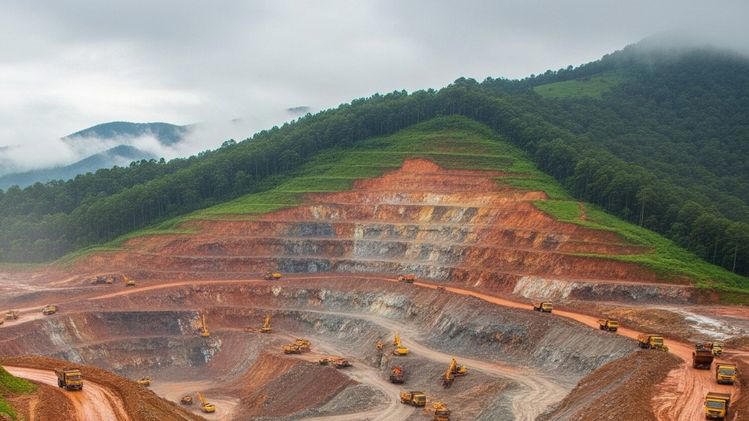
Meghalaya has voiced strong opposition to the Centre’s recent decision to exempt uranium mining projects from public hearings. State leaders, environmental activists, and local communities have expressed serious concerns about the potential environmental and social impacts of such projects. They argue that bypassing public consultation undermines transparency and threatens ecological balance in the region.
The state has a long history of balancing development and conservation. Meghalaya, known for its rich biodiversity and extensive forests, has faced environmental challenges due to mining and other industrial activities in the past. Many fear that uranium mining without proper public scrutiny could have irreversible consequences.
Read More: Manipur protests Assam Rifles ambush, search underway
Centre’s exemption and local backlash
The central government recently amended its environmental clearance rules, exempting uranium mining projects from mandatory public hearings. Typically, public hearings allow communities to voice their concerns, ensuring that industrial projects consider local needs and ecological risks. By removing this step, the Centre aims to fast-track strategic projects, but it has sparked strong opposition in Meghalaya.
State officials argue that such exemptions compromise democratic processes and deny citizens a platform to participate in decisions that affect their environment and health. Local representatives have called on the Centre to reconsider the decision and involve communities in discussions before granting approvals for uranium mining.
Environmental groups have also highlighted potential risks, including contamination of water sources, deforestation, and radiation exposure. They warn that mining uranium in ecologically sensitive areas could threaten wildlife and human settlements alike.
Voices from Meghalaya
Political leaders in Meghalaya have unanimously criticized the exemption. The Chief Minister stated that public hearings are crucial to maintaining trust between the government and citizens. He emphasized that uranium mining is a sensitive issue requiring careful consideration, especially in areas already vulnerable to environmental degradation.
Community organizations have echoed these concerns. Residents living near potential mining zones fear displacement, loss of livelihoods, and long-term health hazards. Women’s groups, youth organizations, and tribal councils have organized meetings and demonstrations to ensure their voices are heard. They insist that no project should proceed without public input and proper environmental assessment.
Environmental impact concerns
Meghalaya’s opposition to uranium mining also stems from environmental worries. Uranium extraction can generate radioactive waste, which poses a serious risk to soil, water, and air quality. Contamination of rivers and streams could affect agriculture and drinking water supplies, directly impacting local communities.
Forests in Meghalaya are home to several endangered species. Experts warn that mining could disrupt habitats, accelerate deforestation, and contribute to soil erosion. They argue that public hearings are essential to evaluate mitigation measures and protect the state’s natural resources.
Strategic versus local interests
While the Centre claims uranium mining is a strategic priority, Meghalaya officials stress that local interests must not be ignored. They argue that development cannot come at the cost of environmental sustainability or public health. Exempting projects from public hearings risks alienating communities and creating long-term conflicts.
Activists point out that strategic projects can still follow transparent processes without delaying national priorities. Public participation, they argue, ensures accountability and helps identify potential challenges before projects cause irreversible damage.
Calls for dialogue
In response to the exemption, Meghalaya has called for an urgent dialogue with the central government. Officials have proposed a framework that allows strategic uranium projects to proceed while still including public hearings. They suggest that hearings can be streamlined or conducted in affected areas to balance efficiency with transparency.
Several civil society organizations have also urged the Centre to respect local autonomy and environmental rights. They argue that decisions made without public consultation violate both ethical and legal principles, and could face legal challenges in the future.
National implications
Meghalaya’s opposition reflects a wider debate across India about balancing development and environmental protection. Many states with sensitive ecological zones have raised similar concerns, arguing that exemptions for strategic projects should not bypass democratic safeguards.
Public hearings have historically played a crucial role in identifying environmental risks, safeguarding human rights, and preventing conflicts. Removing them could set a precedent that undermines citizen participation in other states and sectors as well.
Moving forward
The government of Meghalaya has made it clear that it will continue to resist uranium mining projects that proceed without public hearings. Community leaders, activists, and environmentalists plan to organize consultations, awareness campaigns, and legal interventions if necessary.
Meanwhile, the state is exploring alternative approaches to resource development that prioritize sustainability and community welfare. Officials emphasize that responsible governance requires involving people directly affected by projects, rather than making unilateral decisions.
Meghalaya’s strong opposition to the Centre’s exemption of uranium mining from public hearings highlights the tension between national strategic interests and local environmental concerns. Citizens, leaders, and activists argue that public consultation is vital for ensuring transparency, protecting ecosystems, and safeguarding human health.
As discussions continue, the state is determined to ensure that uranium mining projects do not proceed without proper public participation. Meghalaya’s stance reinforces the importance of balancing development with environmental responsibility and democratic principles.
By taking a firm stand, Meghalaya aims to protect its communities, forests, and rivers, while advocating for a model of development that respects both strategic priorities and citizen rights.
Read More: USTM fined Rs 150 crore for forest encroachment in Meghalaya