


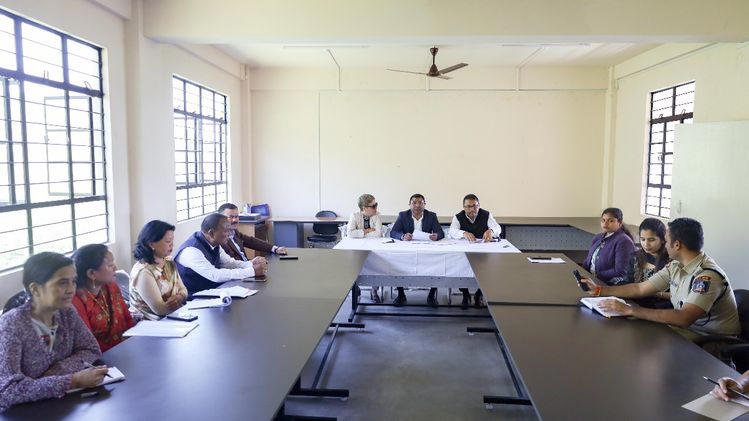
A government-appointed panel in Meghalaya has flagged several gaps at the Pahamsyiem tribal school following a recent inspection, raising concerns about infrastructure, facilities, and overall management. The findings have drawn attention to the challenges faced by educational institutions in remote areas of Meghalaya.
The inspection aimed to assess the condition of the school and evaluate whether it meets the required standards for providing quality education. Officials revealed that while some basic facilities exist, significant shortcomings need urgent attention.
Read More: Delhi Assembly receives bomb threat ahead of CM Rekha Gupta’s budget
Panel Identifies Infrastructure Deficiencies
During the inspection, the panel observed multiple issues related to infrastructure at the Pahamsyiem tribal school. Classrooms lacked proper maintenance, and some buildings showed signs of wear and tear.
In addition, the school reportedly faced shortages of essential resources such as furniture and teaching materials. These deficiencies have affected the learning environment for students.
The panel emphasized that improving infrastructure should be a priority. Without adequate facilities, students may struggle to achieve their full potential.
Concerns Over Basic Amenities
The inspection also highlighted gaps in basic amenities. Access to clean drinking water and sanitation facilities remained inadequate, creating difficulties for both students and staff.
Moreover, the panel noted that poor maintenance of existing amenities has worsened the situation. As a result, the school environment does not fully support healthy and safe learning conditions.
Officials have called for immediate measures to address these issues and ensure that students have access to essential services.
Shortage of Teaching Staff
Another major concern raised by the panel is the shortage of qualified teaching staff. The school reportedly operates with fewer teachers than required, which has affected the quality of education.
Teachers often handle multiple subjects, limiting their ability to focus on individual student needs. Consequently, students may not receive adequate academic support.
The panel recommended urgent recruitment and deployment of teachers to improve the situation.
Impact on Students and Learning Outcomes
The gaps identified during the inspection have had a direct impact on students. Limited resources and inadequate facilities have made it challenging for them to engage effectively in their studies.
Furthermore, irregular attendance and lack of motivation have emerged as issues among students. The panel noted that improving infrastructure and teaching quality could help address these challenges.
Ensuring a supportive learning environment is essential for enhancing educational outcomes in tribal areas.
Government Response and Proposed Measures
Following the inspection, authorities have acknowledged the issues and assured that corrective measures will be taken. Officials have stated that they will prioritize improvements in infrastructure, staffing, and basic amenities.
The government plans to allocate additional resources to upgrade the school. In addition, monitoring mechanisms will be strengthened to ensure proper implementation of reforms.
Authorities have also emphasized the importance of community involvement in improving educational facilities.
Need for Focus on Tribal Education
The findings from the Pahamsyiem tribal school highlight broader challenges in the education sector, particularly in tribal regions. Access to quality education remains uneven, with remote areas facing greater difficulties.
Experts believe that targeted interventions are necessary to bridge this gap. Investments in infrastructure, teacher training, and digital resources can play a crucial role in improving outcomes.
Moreover, culturally relevant education programs can help engage students and preserve local heritage.
Role of Monitoring and Accountability
The panel stressed the importance of regular inspections and accountability in maintaining educational standards. Continuous monitoring can help identify issues early and ensure timely intervention.
Additionally, transparency in the use of funds and resources is essential. This ensures that allocated resources effectively address the needs of schools.
Strengthening accountability mechanisms can contribute to long-term improvements in the education system.
Conclusion
The inspection of the Pahamsyiem tribal school has brought critical issues to light, highlighting the need for immediate action. While the panel’s findings point to significant gaps, they also provide an opportunity for improvement.
By addressing infrastructure deficiencies, improving amenities, and ensuring adequate staffing, authorities can enhance the quality of education in the region. The focus must remain on creating an environment where students can learn, grow, and succeed.
Ultimately, strengthening tribal education will play a key role in promoting inclusive development in Meghalaya.
Read More: NPP Eyes Stronger Presence in Assam Ahead of Elections