


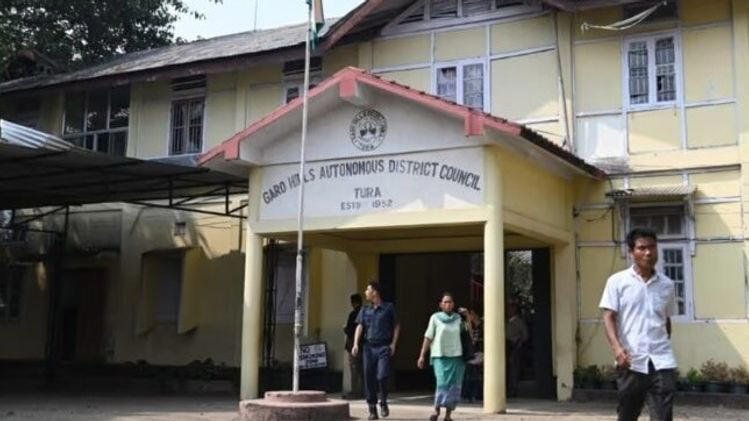
The government of Meghalaya has initiated steps to introduce a Scheduled Tribe (ST)-only electoral roll for the upcoming elections to the Garo Hills Autonomous District Council. The move aims to address concerns related to representation and ensure that the rights of indigenous communities remain protected within the autonomous council framework.
The ST-only electoral roll GHADC proposal has sparked significant discussion among political leaders, legal experts, and civil society groups. Officials have stated that the initiative aligns with constitutional provisions that safeguard the interests of tribal communities in Sixth Schedule areas. Therefore, the proposal seeks to reinforce the intent behind these provisions.
Read More: TMC Files ECI Complaint Against Himanta Sarma Over Remarks
At the same time, the government has indicated that it will follow due legal process before implementing any changes. Authorities have begun consultations and are examining the legal implications of creating a separate electoral roll for ST voters.
Rationale behind the ST-only electoral roll proposal
The ST-only electoral roll GHADC plan stems from long-standing demands by community organisations in the Garo Hills region. These groups have argued that the participation of non-tribal voters in autonomous council elections can dilute the representation of indigenous communities.
Supporters of the proposal believe that restricting the electoral roll to Scheduled Tribe voters will ensure that decision-making remains in the hands of those for whom the councils were originally established. Moreover, they argue that such a system would strengthen the autonomy granted under the Sixth Schedule of the Constitution.
Officials have also pointed out that similar concerns have been raised in other autonomous regions. Therefore, the proposal reflects a broader debate about balancing inclusivity with the protection of tribal rights.
However, critics have expressed reservations about the move. They argue that changes to the electoral process must carefully consider constitutional safeguards and the rights of all citizens. Consequently, the issue has become a subject of legal and political scrutiny.
Legal framework and constitutional considerations
The introduction of an ST-only electoral roll for the Garo Hills Autonomous District Council involves complex legal considerations. The Sixth Schedule of the Constitution provides special provisions for autonomous district councils in tribal areas. However, the extent to which electoral rolls can be restricted remains a matter of interpretation.
Legal experts have noted that any such change would require careful examination of constitutional provisions and existing laws. The government may need to amend relevant rules or seek approval from appropriate authorities. Therefore, the process could take time.
Authorities have assured that they will proceed in accordance with the law. They have emphasized that protecting tribal rights must go hand in hand with upholding constitutional principles. As a result, consultations with legal experts and stakeholders are underway.
In addition, the government is likely to engage with the Election Commission of India to ensure compliance with electoral guidelines. This coordination will be crucial in determining the feasibility of the proposal.
Political reactions and public debate
The ST-only electoral roll GHADC proposal has triggered varied reactions across the political spectrum in Meghalaya. Some political parties and leaders have welcomed the move, stating that it will strengthen tribal representation and uphold the spirit of the Sixth Schedule.
On the other hand, opposition voices have raised concerns about potential exclusion. They argue that any change to the electoral process should be inclusive and transparent. Therefore, they have called for wider consultations before finalising the proposal.
Civil society groups have also joined the debate. While some support the initiative, others emphasize the need for a balanced approach. They believe that the government must address concerns from all sections of society to avoid further tensions.
Public discussions have highlighted the complexity of the issue. Many residents have expressed interest in understanding how the proposal will affect them. As a result, awareness campaigns and public dialogues may play an important role in shaping opinions.
Implications for GHADC elections
If implemented, the ST-only electoral roll GHADC proposal could significantly impact the upcoming elections to the Garo Hills Autonomous District Council. The composition of the electorate would change, potentially influencing electoral outcomes.
Supporters believe that the move will ensure that elected representatives truly reflect the aspirations of tribal communities. Moreover, it may lead to policies that better address local issues and priorities.
However, the proposal could also face legal challenges. Opponents may seek judicial review to examine its constitutionality. Therefore, the final outcome will depend on both legal and political developments.
Authorities have indicated that they will take all necessary steps to ensure a smooth electoral process. They aim to maintain transparency and fairness while implementing any changes.
Broader context of tribal representation
The ST-only electoral roll GHADC initiative reflects broader concerns about tribal representation in governance. Across the Northeast, communities have sought measures to protect their cultural identity and political rights.
Autonomous district councils play a crucial role in this context. They provide a platform for self-governance and address region-specific issues. Therefore, ensuring effective representation within these bodies remains a priority.
Experts suggest that policies aimed at strengthening representation must balance multiple factors. These include constitutional principles, inclusivity, and the unique needs of tribal communities. As a result, decision-makers face a complex challenge.
The debate in Meghalaya highlights the evolving nature of governance in diverse societies. It underscores the importance of dialogue and consensus-building in addressing sensitive issues.
Way forward and next steps
The government has indicated that it will continue consultations on the ST-only electoral roll GHADC proposal. Engaging with stakeholders, including community leaders, legal experts, and political parties, will be essential.
Authorities may also conduct detailed studies to assess the impact of the proposed changes. These assessments can help identify potential challenges and suggest solutions. Consequently, the process will involve careful planning and evaluation.
Transparency will be key to gaining public trust. By sharing information and addressing concerns, the government can ensure broader acceptance of its decisions. Moreover, clear communication can help prevent misunderstandings.
In the coming months, developments related to the proposal will be closely watched. The outcome will have significant implications for governance and representation in the Garo Hills region.
Conclusion
The move by Meghalaya to introduce an ST-only electoral roll for the Garo Hills Autonomous District Council marks an important development in the region’s political landscape. The ST-only electoral roll GHADC proposal aims to address representation concerns while adhering to constitutional principles.
As discussions continue, stakeholders will need to work together to find a balanced solution. The process will require careful consideration of legal, political, and social factors.
Ultimately, the success of the initiative will depend on how effectively it addresses the needs of the community while maintaining fairness and inclusivity.
Read More: Tripura CM attends consecration of Ma Soundarya Chinmoyee statue