


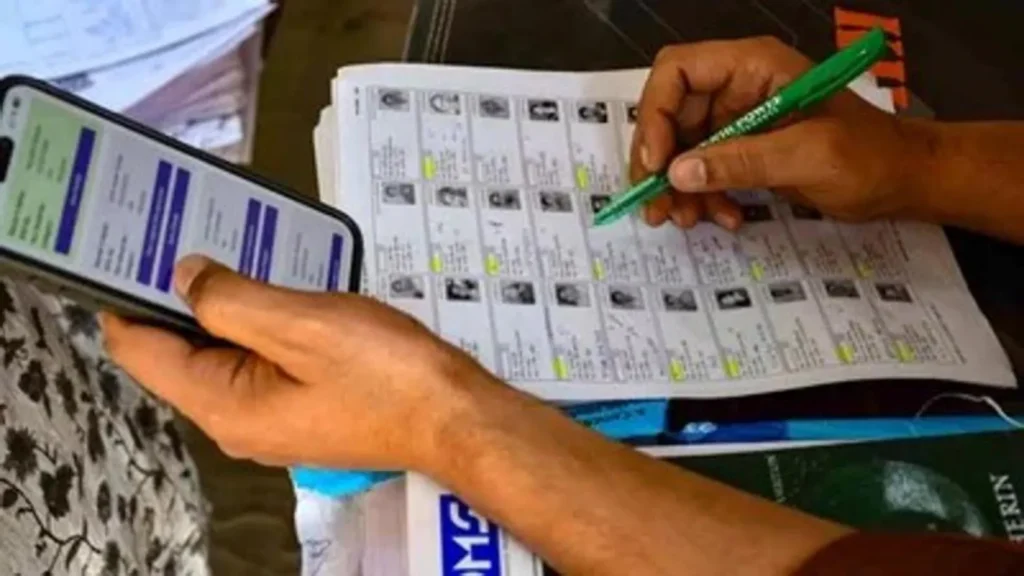
Political parties in Meghalaya have raised concerns over draft electoral roll deletions, questioning the impact of voter-list revisions on eligible electors. The controversy has emerged after a house-to-house verification exercise changed the composition of the state’s electoral rolls.
The revision has reduced Meghalaya’s electorate to around 2.16 million, drawing attention from political organisations and civil society groups. Moreover, parties are examining changes to voter lists as authorities work to identify duplicate entries, deceased electors, shifted voters, and other records requiring review.
The dispute has also highlighted the importance of claims and objections during electoral-roll revision. However, the omission of a name from a draft roll does not automatically mean that authorities have permanently removed an eligible voter.
Tripura CEO Brijesh Pandey Locks Dates for Special Electoral Revision
Political Parties Question Draft Deletions
Political parties have begun scrutinising changes to Meghalaya’s draft electoral roll.
Parties can compare the revised list with earlier electoral records and identify areas where voter numbers have changed significantly. Furthermore, they can encourage voters to verify their names and use official procedures if they discover discrepancies.
The scrutiny has increased political attention on the revision process.
However, allegations concerning improper deletions require verification through official records and individual cases.
Meghalaya Electorate Drops to 2.16 Million
The state’s electorate has fallen to approximately 2.16 million following the house-to-house verification exercise.
The decline reflects changes identified during the electoral-roll review. Additionally, authorities can remove or flag records involving deceased voters, duplicate registrations, or individuals who have moved away, subject to the applicable procedures.
The updated figure has consequently become an important point of political discussion.
However, the draft figure can change after authorities examine claims, objections, and correction requests.
House-to-House Checks Drive Revision
Election officials used house-to-house verification to examine voter information directly.
Field officials can determine whether registered electors remain at their recorded addresses and identify records requiring further review. Moreover, direct verification can help authorities address inconsistencies that may remain in existing databases.
The exercise can therefore improve electoral-roll accuracy.
However, field verification requires careful documentation and consistent application of election rules.
Missing Names Create Political Concern
Political parties have particular concerns when eligible voters discover that their names no longer appear on the draft roll.
A missing name can prevent an elector from participating unless the individual successfully completes the applicable correction or inclusion process. Furthermore, large changes in particular areas can generate questions about how officials conducted verification.
These concerns make transparent procedures important.
However, a missing name alone does not establish that an authority acted improperly.
Duplicate Entries Under Review
Duplicate registrations remain an important part of electoral-roll management.
Officials can identify records that appear to belong to the same individual and conduct further verification. Additionally, people who have moved between constituencies may have more than one outdated registration.
Cleaning such records can improve the reliability of voter lists.
However, officials must confirm duplication before removing a legitimate entry.
Deceased Voters and Shifted Electors
Electoral-roll revisions can also identify people who have died or permanently moved away.
Removing outdated records helps authorities maintain an accurate database. Moreover, house-to-house verification can provide information that allows officials to update voter records more effectively.
These administrative changes can contribute to a lower overall electorate.
However, individual cases still require appropriate verification.
Claims and Objections Protect Voters
The claims-and-objections process provides an important safeguard during electoral-roll revision.
Voters who believe officials have incorrectly omitted their names can use the prescribed mechanisms to seek inclusion or correction. Furthermore, political parties can inform supporters about these procedures without replacing the official decision-making process.
This mechanism can help resolve genuine errors.
However, voters should follow the current instructions and deadlines issued by election authorities.
Political Monitoring Could Increase
The controversy could encourage political parties to monitor electoral-roll changes more closely.
Parties may examine changes at constituency and polling-station levels and raise concerns through appropriate administrative channels. Additionally, increased scrutiny can encourage election officials to communicate more clearly about the reasons behind major changes.
Such monitoring can contribute to public accountability.
However, political scrutiny should remain based on verifiable electoral information.
Tribal Areas Receive Particular Attention
Electoral-roll changes can carry added political significance in Meghalaya’s tribal areas.
Community representation, local political influence, and grassroots mobilisation remain important aspects of state politics. Moreover, changes in voter numbers can affect how political parties assess their support across different communities.
Parties may therefore pay particular attention to revisions in these areas.
However, electoral authorities must apply the same legal procedures regardless of community or political affiliation.
Remote Areas Face Verification Challenges
Meghalaya’s geography creates practical challenges for house-to-house verification.
Some communities live in remote areas where officials and voters may face transportation or communication difficulties. Furthermore, limited digital access can make it harder for some residents to check their electoral information online.
Authorities may therefore need effective local outreach.
However, voters should rely on official channels for information about claims and corrections.
Political Claims Need Evidence
The phrase “deletions” can create confusion when discussing a draft electoral roll.
A draft roll records the status of electoral registrations at an interim stage. Moreover, names absent from the draft may return after successful claims, corrections, or further verification.
Consequently, political criticism should distinguish between draft omissions and final removals.
This distinction is particularly important when discussing large numerical changes.
Legal Challenges Could Follow
Electoral-roll disputes can potentially move into legal forums when administrative mechanisms fail to resolve significant disagreements.
Affected voters may first pursue claims and objections through election authorities. Furthermore, political organisations could seek judicial intervention if they believe authorities violated applicable legal procedures.
The possibility of legal scrutiny makes proper implementation important.
However, specific court cases or outcomes cannot be predicted without knowing the details of individual disputes.
Voter Awareness Becomes Crucial
The controversy also highlights the importance of individual voter participation.
Electors should check their names and relevant registration information and report discrepancies through official mechanisms. Additionally, voters who have moved should ensure that their records reflect their current eligible constituency.
Early verification can help resolve problems before elections.
However, voters should provide accurate information and follow the procedures established by election authorities.
Electoral Trust Faces a Test
Public confidence depends heavily on the perceived fairness of electoral-roll revision.
Clear explanations, accessible correction mechanisms, and transparent administrative procedures can reduce uncertainty. Moreover, political parties can contribute constructively by encouraging voters to verify their records rather than relying on unverified claims.
The final electoral roll will ultimately provide a clearer picture of the electorate.
However, authorities must communicate changes effectively throughout the process.
Final Roll Could Change
The current draft should not be treated as the final electoral register.
Successful claims and objections can restore eligible voters or correct inaccurate information. Furthermore, officials can make additional changes after reviewing individual cases.
The final electorate may therefore differ from the current figure.
This makes the remaining revision process particularly important.
Conclusion
The controversy over draft electoral roll deletions in Meghalaya has intensified political scrutiny of the state’s voter-list revision. Political parties have raised concerns about missing names and the effect of house-to-house verification, while election authorities continue the administrative process of reviewing electoral records.
Moreover, the reduction of Meghalaya’s electorate to around 2.16 million has increased public attention on the reasons behind the changes. At the same time, draft omissions should not automatically be treated as permanent deletions because eligible voters may have access to claims, objections, and correction mechanisms.
Overall, the dispute places electoral transparency and voter protection at the centre of Meghalaya’s political debate. The credibility of the process will ultimately depend on how authorities handle disputed entries and whether eligible voters receive effective opportunities to correct their records.
FAQs
1. Why are Meghalaya political parties concerned about the draft electoral roll?
Parties are scrutinising the reduction in the electorate and concerns surrounding missing voter names following house-to-house verification.
2. Has every missing name been permanently deleted?
No. The draft electoral roll represents an interim stage, and eligible voters can use applicable claims and correction procedures.
3. Why did Meghalaya’s electorate decline?
The revision can identify deceased voters, duplicate registrations, shifted electors, and other records requiring changes under electoral procedures.
4. Can voters challenge missing names?
Yes. Eligible voters can use the prescribed claims, objections, or correction mechanisms provided by election authorities.
5. Could the controversy lead to legal action?
Potentially. Serious disputes over electoral procedures can reach judicial forums, although specific legal challenges depend on individual cases and available remedies.