


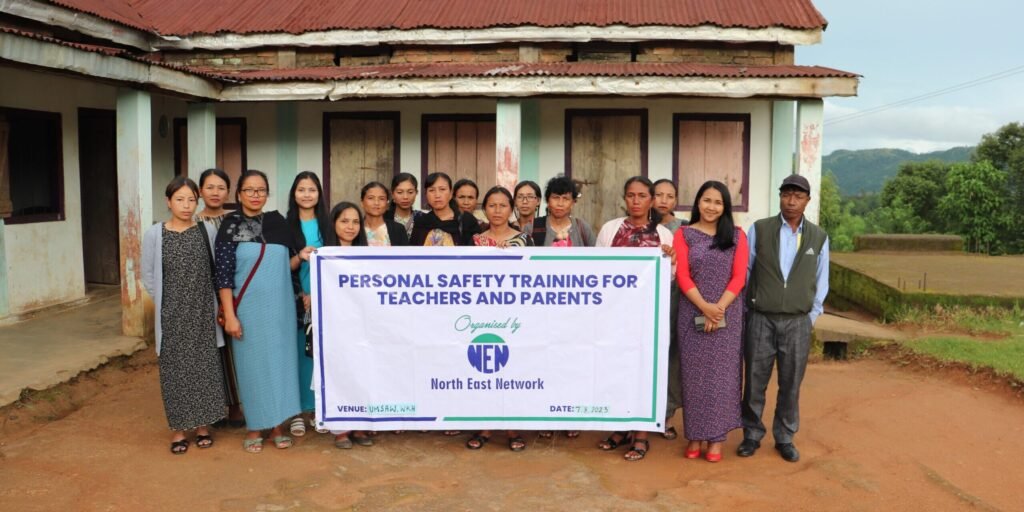
The Meghalaya Social Welfare Unit has updated its multi-lingual child safety manual booklets to strengthen awareness and improve access to essential information for children, parents, teachers, and caregivers. The revised manuals aim to promote child protection, educate communities about safety practices, and ensure that information is accessible to people from diverse linguistic backgrounds. Moreover, officials stated that the updated booklets incorporate modern guidelines and simplified content to enhance understanding. The initiative reflects the state’s commitment to safeguarding children’s rights and welfare.
Macau Open 2026 Sees Assam’s Asmita Chaliha Storm Dominantly Into the Badminton Semi-Finals
Sikkim Governor Flags Off the First Official Batch of Pilgrims for the Kailash Mansarovar Yatra
Revised Booklets Aim to Improve Child Protection Awareness
Meghalaya social welfare unit updates multi-lingual child safety manual booklets to provide communities with more comprehensive and user-friendly resources. Consequently, parents and guardians are expected to gain better awareness regarding child safety measures and preventive practices.
The manuals cover topics such as personal safety, health awareness, online safety, and reporting mechanisms. Moreover, the information has been designed to be easily understood by readers from different age groups and backgrounds. Therefore, accessibility and awareness are expected to improve significantly.
Officials emphasized that educating communities plays a crucial role in ensuring child protection. Furthermore, updated educational resources can help strengthen preventive efforts. As a result, the initiative is expected to contribute to safer environments for children.
Meanwhile, authorities are distributing the revised manuals through schools and community centers. Consequently, outreach efforts are being expanded.
Multi-Lingual Approach Enhances Accessibility
Meghalaya social welfare unit updates multi-lingual child safety manual booklets with the objective of reaching a wider population. Moreover, linguistic diversity in the state makes inclusive communication essential. Therefore, the manuals have been prepared in multiple languages.
The initiative ensures that important information is accessible to families from different communities. Consequently, awareness regarding child rights and safety procedures is likely to increase. Such measures support inclusive social welfare programs.
Furthermore, multilingual resources help bridge communication gaps and encourage community participation. As a result, more individuals may be empowered to identify and respond to child safety concerns.
Meanwhile, local organizations are being encouraged to assist with awareness campaigns. Similarly, educational institutions are supporting dissemination efforts.
Focus on Modern Challenges and Digital Safety
The Meghalaya social welfare unit updates multi-lingual child safety manual booklets to address emerging concerns affecting children. Moreover, increasing digital exposure has created new challenges related to online safety. Therefore, contemporary issues have been incorporated into the revised content.
The manuals provide guidance on responsible internet usage and awareness regarding potential risks. Consequently, children and parents can become better informed about digital safety practices. Such information contributes to preventive protection.
Furthermore, health and emotional well-being are also emphasized in the updated materials. As a result, the manuals adopt a holistic approach to child welfare.
Meanwhile, experts and child welfare professionals have contributed to the revision process. Similarly, feedback mechanisms are being introduced to improve future editions.
Strengthening Community Participation in Child Welfare
The updated booklets reflect Meghalaya’s broader efforts to enhance child protection systems. Moreover, community involvement is essential for ensuring children’s well-being. Therefore, awareness initiatives are being strengthened across the state.
Officials stated that empowering families and educators can significantly improve child safety outcomes. Consequently, collaboration with schools, local bodies, and civil society organizations is being expanded. Such partnerships support long-term welfare objectives.
Furthermore, future awareness programs and training sessions are being planned. As a result, child protection mechanisms are expected to become more effective.
Meanwhile, digital versions of the manuals are being explored for wider accessibility. Similarly, periodic revisions are likely to ensure continued relevance.
Conclusion
Meghalaya social welfare unit updates multi-lingual child safety manual booklets, marking an important step toward strengthening child protection and awareness. Moreover, the initiative ensures that essential safety information reaches diverse communities across the state.
The revised manuals are expected to improve awareness regarding child rights, digital safety, and preventive measures. Therefore, they contribute significantly to creating safer environments for children.
As the Meghalaya social welfare unit updates multi-lingual child safety manual booklets, it highlights the importance of accessible education and community participation in promoting child welfare.
FAQs
1. What has the Meghalaya Social Welfare Unit updated?
It has revised multi-lingual child safety manual booklets.
2. What topics are included in the manuals?
Personal safety, online safety, health awareness, and reporting mechanisms.
3. Why are the manuals available in multiple languages?
To ensure accessibility for diverse communities across the state.
4. Who will benefit from the updated booklets?
Children, parents, teachers, and caregivers.
5. How will the initiative improve child welfare?
By increasing awareness and promoting preventive safety practices.