


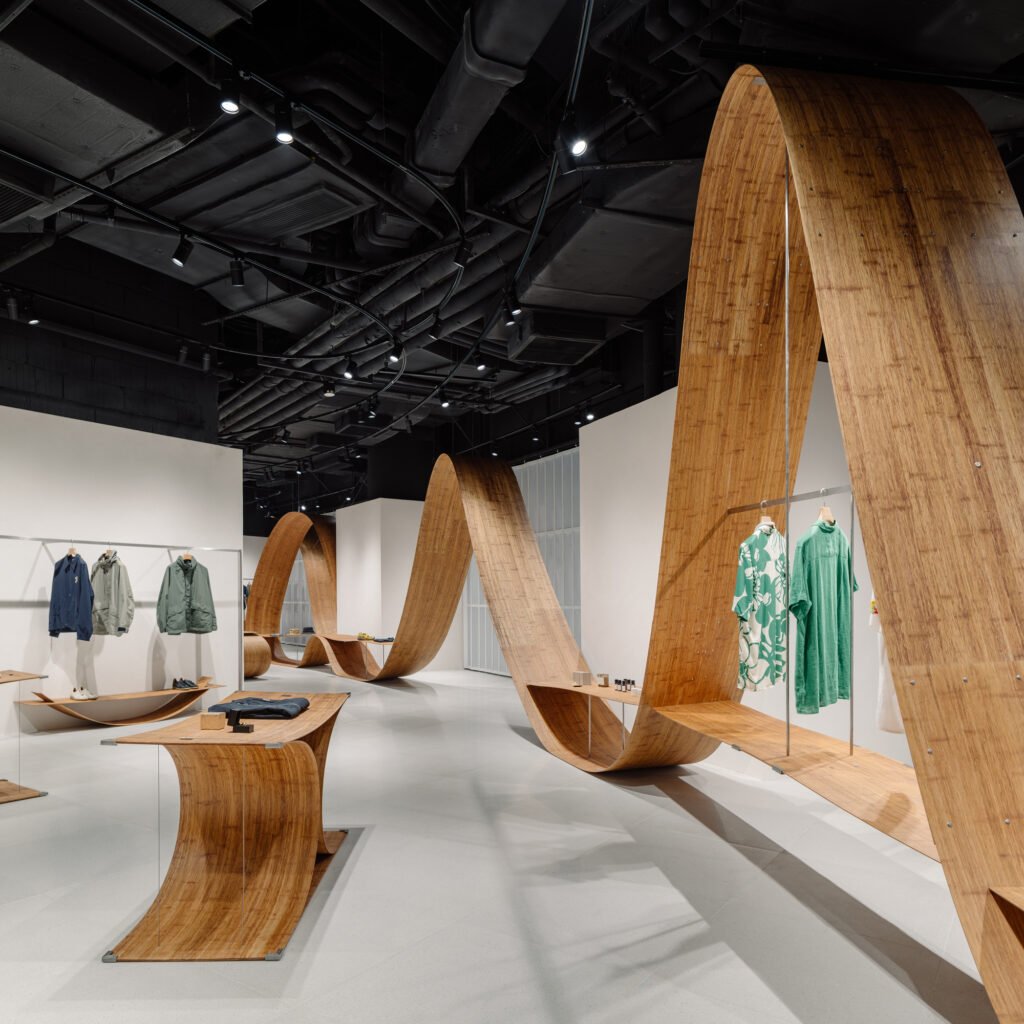
The Mizoram Bamboo Furniture Incubator marks a new step in promoting the state’s traditional bamboo craftsmanship as the government reportedly launched a design incubator in Aizawl. The initiative aims to modernize bamboo furniture designs while creating stronger opportunities for traditional products in domestic and international markets.
Rhino Poaching Foil: Anti-Poaching Task Force Arrests Three Suspects Near Orang National Park
The Mizoram Bamboo Furniture Incubator combines traditional craftsmanship with contemporary design and production approaches. Moreover, the programme could help local artisans and businesses develop products that meet changing consumer preferences while retaining Mizoram’s distinctive bamboo heritage.
The initiative also highlights the economic potential of bamboo-based industries in the state. Therefore, improved designs, production capabilities, and market access could help artisans expand beyond local markets.
The export focus adds another dimension to the programme. Additionally, modern packaging, quality standards, product development, and branding could help bamboo furniture producers compete more effectively in wider markets.
Mizoram Bamboo Furniture Incubator Supports Traditional Craft
The Mizoram Bamboo Furniture Incubator aims to strengthen traditional bamboo craftsmanship through design innovation and product development.
Moreover, bamboo has long held cultural and practical importance across Mizoram. Consequently, developing contemporary furniture can help preserve traditional skills while adapting them to modern consumer requirements.
The incubator can provide artisans and designers with a platform to experiment with new furniture concepts. Furthermore, collaboration between craftspeople and professional designers could improve both aesthetics and functionality.
Modern design does not necessarily require abandoning traditional techniques. Therefore, combining local craftsmanship with contemporary styles could create products that retain their cultural identity while appealing to new markets.
Mizoram Bamboo Furniture Incubator Targets Export Growth
The Mizoram Bamboo Furniture Incubator also places emphasis on improving the export potential of bamboo-based furniture.
Additionally, international buyers often consider design, durability, quality consistency, packaging, and production capacity when evaluating products. As a result, support in these areas could help local producers compete in larger markets.
The incubator could help businesses understand changing market preferences and develop products accordingly. Meanwhile, artisans may gain opportunities to work with designers, entrepreneurs, and other industry professionals.
Export growth could create additional income opportunities for bamboo workers and small enterprises. Furthermore, greater market demand could encourage investment in processing, manufacturing, and supply-chain infrastructure.
Mizoram Bamboo Furniture Incubator Promotes Sustainable Enterprise
The Mizoram Bamboo Furniture Incubator can also contribute to sustainable enterprise development by promoting bamboo as a renewable material.
Moreover, bamboo grows relatively quickly compared with many conventional timber resources, making it an important material for sustainable product development when producers manage resources responsibly.
The initiative can connect environmental goals with economic development. Consequently, stronger bamboo industries could support livelihoods while encouraging greater value addition within Mizoram.
However, sustainable growth requires responsible sourcing and effective resource management. Therefore, authorities and producers will need to balance increased demand with the long-term health of bamboo resources.
Conclusion
The Incubator represents a new effort to modernize traditional bamboo craftsmanship after the government reportedly launched a design incubator in Aizawl.
Furthermore, the initiative could help artisans combine traditional skills with contemporary design while improving the export potential of bamboo furniture. Better product development, branding, quality standards, and market access could create new opportunities for local enterprises.
Overall, the Incubator could strengthen Mizoram’s bamboo economy by connecting cultural heritage, modern design, sustainable production, and wider market opportunities.
FAQs
1. What is the Mizoram Bamboo Furniture Incubator?
The Incubator is a reported design-focused initiative in Aizawl aimed at modernizing traditional bamboo furniture and improving its market potential.
2. Why is bamboo important to Mizoram?
Bamboo has long played an important role in Mizoram’s traditional crafts, livelihoods, construction practices, and local economy.
3. How can modern design help bamboo furniture?
Contemporary designs can improve functionality, appearance, and market appeal while allowing artisans to retain traditional craftsmanship.
4. Can the initiative increase exports?
The programme aims to strengthen export potential by supporting product development, design, quality, branding, and market access.
5. How can bamboo furniture support sustainability?
Bamboo can serve as a renewable material for furniture when producers manage harvesting and cultivation responsibly.