


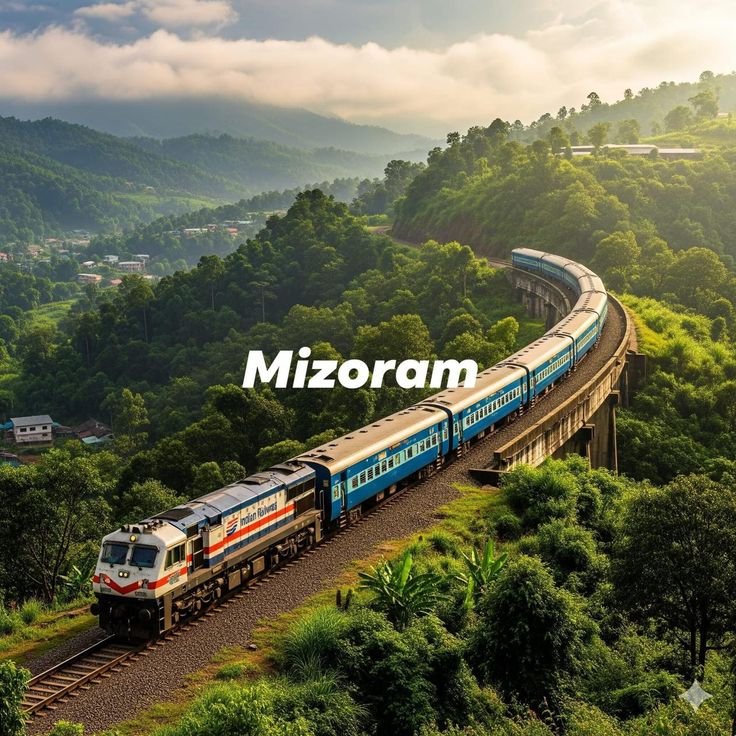
On December 1, 2025, local groups in Mizoram raised strong objections to a proposed railway alignment project, calling it “risky” and warning of potential environmental damage and safety issues. The debate has quickly become one of the most pressing infrastructure controversies in the Northeast, highlighting the tension between development and ecological preservation.
Why Mizoram Railway Alignment Concerns Are Growing
The proposed railway alignment aims to connect Mizoram more effectively with the national rail network. While the project promises economic benefits, Mizoram railway alignment concerns stem from:
- Fragile terrain: Mizoram’s hilly landscape is prone to landslides and erosion.
- Biodiversity risks: The alignment cuts through ecologically sensitive zones.
- Safety fears: Local communities worry about accidents due to unstable slopes.
- Cultural impact: Villages along the route fear displacement and loss of heritage sites.
Voices from Local Groups
Environmental Activists
Activists argue that the railway alignment could devastate forests and wildlife corridors. “We cannot sacrifice our environment for short-term gains,” one campaigner said.
Community Leaders
Village elders expressed concern that the project may lead to displacement without adequate rehabilitation. They demand transparent consultation before construction begins.
Government’s Position
Officials have defended the project, citing its potential to boost trade and tourism. They argue that modern engineering can mitigate risks. However, critics insist that Mizoram railway alignment concerns must be addressed through independent environmental assessments.
Environmental and Safety Risks
Landslide-Prone Zones
Mizoram’s geology makes it highly vulnerable to landslides, especially during monsoons. Railway tracks in such areas could pose long-term safety hazards.
Wildlife Disruption
The alignment passes near protected forests, raising fears of habitat fragmentation for endangered species.
Human Safety
Local groups warn that poorly planned construction could endanger passengers and nearby communities.
Economic Promise vs. Ecological Cost
Supporters of the project highlight its potential to:
- Improve connectivity with mainland India.
- Boost tourism and local businesses.
- Create jobs during construction and operation.
Yet, opponents argue that these benefits cannot outweigh the ecological and safety risks. The Mizoram railway alignment concerns debate reflects the broader challenge of balancing development with sustainability.
Political Reactions
The issue has sparked political debate in Mizoram’s legislative assembly:
- Opposition parties demand a halt until thorough environmental studies are completed.
- Ruling leaders emphasize the project’s role in economic integration.
- Civil society groups call for independent oversight.
Challenges Ahead
Transparent Consultation
Local communities demand meaningful participation in decision-making.
Independent Assessments
Environmental impact studies must be conducted by neutral experts.
Balancing Growth and Safety
Authorities must ensure that infrastructure projects do not compromise human or ecological safety.
READ MORE: Sikkim MP Subba Demands Climate Action and ST Reservations
The Mizoram railway alignment concerns highlight the urgent need for responsible development.
- Government: Conduct transparent environmental and safety assessments.
- Citizens: Stay informed and voice concerns through peaceful activism.
- Civil society: Push for accountability and sustainable alternatives.
The controversy over Mizoram’s railway alignment is more than a local issue—it’s a test case for India’s ability to balance development with ecological preservation. As local groups raise alarms, the government must decide whether to prioritize short-term connectivity or long-term sustainability.