


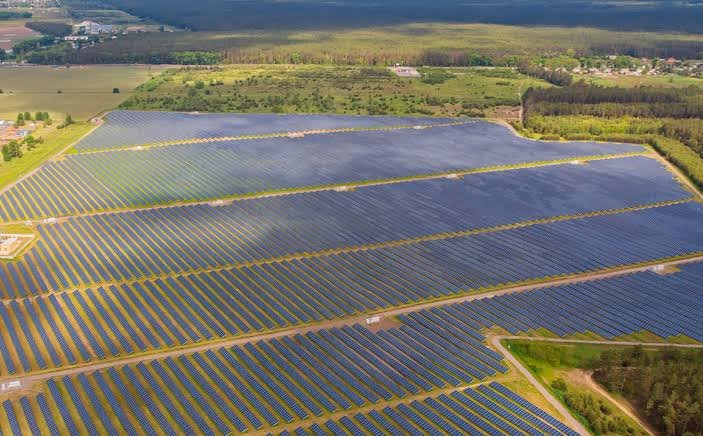
Mizoram Solar Expansion is becoming an important part of the state’s efforts to strengthen domestic electricity generation. The state has developed major solar facilities at Vankal and Thenzawl, adding renewable capacity to its power mix. The 20 MW Vankal Solar Park is already operational, while the 10 MW Thenzawl Solar Power Plant was inaugurated in December 2025.
Mizoram Solar Expansion Adds 30 MW of Solar Capacity
The Vankal and Thenzawl projects together represent 30 MW of solar-generation capacity. Consequently, they form an important component of Mizoram’s efforts to diversify electricity generation and increase the contribution of renewable energy.
The 20 MW Vankal Solar Park is located in Vankal in Mizoram’s Khawzawl district. The project entered commercial operation in 2023 and remains one of the state’s major solar-generation facilities.
Meanwhile, the 10 MW Thenzawl Solar Power Plant was inaugurated by Chief Minister Lalduhoma on December 20, 2025. The official Mizoram government account described the facility as a significant addition to the state’s renewable-energy infrastructure.
Therefore, the two facilities provide Mizoram with a combined 30 MW of installed solar capacity. Their contribution can help diversify the sources available to the state’s electricity system.
Moreover, expanding renewable generation can reduce pressure on conventional and externally procured electricity over time. However, the actual reduction in external purchases will depend on generation levels, demand and grid requirements.
Vankal Solar Park Strengthens Domestic Generation
Vankal has an important place in Mizoram’s solar-energy development. The 20 MW project was developed as a large-scale photovoltaic facility and began commercial operations in 2023.
The project therefore represents an established source of renewable electricity rather than a new plant awaiting construction. Its continued operation provides the state with additional generation capacity from a domestic renewable source.
Furthermore, the Vankal facility contributes to the diversification of Mizoram’s power portfolio. The state has historically relied on a combination of local generation and electricity obtained through the wider national grid.
Consequently, maintaining and efficiently operating existing solar assets can complement efforts to develop additional renewable capacity. Solar generation can also contribute during periods when sunlight conditions support strong output.
At the same time, solar power has variable generation patterns. Therefore, Mizoram still needs a balanced electricity system that combines renewable generation with other sources and adequate grid infrastructure.
The Vankal project nevertheless remains a significant part of the state’s renewable-energy landscape. Its 20 MW capacity provides a substantial solar contribution relative to Mizoram’s overall generation base.
Thenzawl Plant Expands Mizoram’s Renewable Energy Base
The 10 MW Thenzawl Solar Power Plant adds another important renewable-energy facility to Mizoram’s electricity network. Chief Minister Lalduhoma inaugurated the project at Thenzawl on December 20, 2025, according to the state’s Department of Information and Public Relations.
The project consequently strengthens the state’s ability to generate electricity from renewable sources. Its location also expands solar generation beyond the Vankal facility.
Moreover, the Thenzawl plant forms part of Mizoram’s broader push to develop cleaner domestic energy resources. Renewable generation can help diversify supply while supporting the state’s longer-term energy planning.
However, the plant’s contribution to reducing external procurement should be assessed against actual generation rather than installed capacity alone. Solar output varies according to sunlight, weather and other operating conditions.
Therefore, the government can maximise the benefit of the facility through effective operation, grid integration and appropriate power-sector planning.
Together with Vankal, Thenzawl gives Mizoram a larger base of operational solar infrastructure. The combined capacity also demonstrates the growing role of renewable energy within the state’s electricity strategy.
Mizoram Solar Expansion Could Support Lower Power Procurement
Mizoram’s substantial expenditure on externally purchased electricity has increased attention on domestic generation. Against that background, renewable projects such as Vankal and Thenzawl can play a useful role in diversifying supply.
Additionally, increasing local generation could help the state manage electricity demand more effectively. However, solar projects alone cannot eliminate external power procurement because electricity demand varies throughout the day and solar generation depends on weather and daylight.
Therefore, Mizoram will need to combine solar capacity with other generation sources, transmission infrastructure and effective demand management. Such an approach can help the state maintain reliable electricity supplies while gradually strengthening domestic generation.
The expansion of solar power also has environmental significance. Renewable electricity can reduce dependence on more carbon-intensive sources and contribute to a cleaner energy mix.
Furthermore, established solar facilities provide a foundation for future renewable-energy expansion. If additional projects become financially and technically viable, Mizoram could further increase the share of locally generated renewable electricity.
The Vankal and Thenzawl projects consequently represent more than individual power plants. They form part of a broader effort to diversify Mizoram’s electricity system and strengthen its renewable-energy capacity.
Conclusion
Mizoram Solar Expansion has already added significant renewable capacity through the 20 MW Vankal Solar Park and 10 MW Thenzawl Solar Power Plant. However, both facilities should be described as operational projects rather than plants currently under construction. Together, their 30 MW capacity strengthens Mizoram’s domestic renewable-energy base and could support efforts to reduce dependence on externally procured electricity over time.
FAQs
1. What is the combined capacity of the Vankal and Thenzawl solar projects?
The two projects have a combined installed capacity of 30 MW — 20 MW at Vankal and 10 MW at Thenzawl.
2. Is the Vankal Solar Park operational?
Yes. The 20 MW Vankal Solar Park entered commercial operation in 2023.
3. When was the Thenzawl Solar Power Plant inaugurated?
The 10 MW Thenzawl Solar Power Plant was inaugurated on December 20, 2025.
4. Can solar power reduce Mizoram’s dependence on external electricity?
It can contribute to reducing dependence by increasing domestic generation, although the extent depends on actual solar output, electricity demand and grid conditions.
5. Why is Mizoram Solar Expansion important?
It diversifies the state’s electricity generation, strengthens renewable-energy capacity and can support longer-term efforts to manage external power-purchase costs.