


A Myanmar delegation visits Assam this week to reconnect with their Ahom ancestry — a lineage that shaped over six centuries of Assam’s history. The 12-member team, believed to be descendants of Siu-Ka-Pha, the founder of the Ahom dynasty, will arrive on November 7, marking a culturally significant moment for both regions.
Their journey symbolizes more than heritage exploration. It represents a bridge between Southeast Asia and Northeast India, rooted in shared language, faith, and traditions that have endured through centuries.
Historic Roots and Cultural Significance
The Myanmar delegation Assam visit reflects a deep historical bond. According to historians, Siu-Ka-Pha, a Tai-Shan prince from the Mong Mao kingdom (in present-day Myanmar), crossed the Patkai hills into Assam around 1228 CE. His arrival established the Ahom Kingdom, which ruled large parts of Assam for nearly 600 years, blending Tai-Shan culture with the local Assamese identity.
This period shaped the state’s language, architecture, and governance. The Ahom rulers introduced administrative systems, metalcraft, and manuscripts written in the Tai-Ahom script, still studied today.
For many Tai-Shan descendants in Myanmar, the upcoming visit represents a homecoming — a return to the land their ancestors once ruled.
What the Visit Entails
Itinerary and Cultural Programme
On 7 November the Myanmar delegation will land in Assam and participate in a reception in Sivasagar. The programme will include:
- Visits to ancient Ahom monuments and royal burial mounds in Sivasagar and Charaideo.
- A cultural extravaganza featuring Tai-Ahom and Tai-Khamti dance, peacock dance, Katou dance, Hengdang war dance and traditional food festival.
- Interaction with local Tai-Ahom descendant communities and researchers to explore shared lineage and heritage.


Why It Matters
The event is significant for several reasons:
- It bridges cultural and historical ties between Myanmar and Assam’s Tai-Ahom communities.
- It offers heritage tourism opportunities in Assam and highlights lesser-known historic links.
- It may lead to future collaboration in research, cultural exchange and community development between Assamese and Tai-Shan groups.
Reactions from Local Communities and Authorities
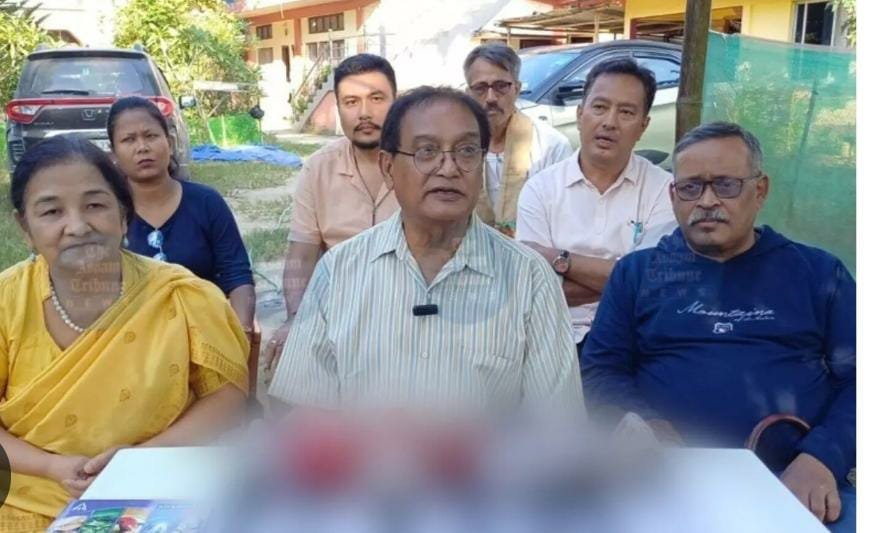
Local stakeholders have welcomed the visit with enthusiasm. Dr Hemanta Kumar Gogoi, president of STAR, described the visit as “an opportunity for them to get acquainted with their extended family and cultural roots in Assam.”
The Assam state government is supporting the event, and deputy chief minister Chowna Mein will attend the cultural reception. The presence of political leadership signals official backing for the heritage-link initiative.
Representatives of Tai-Ahom descendant communities in Assam have been invited to participate. Many see the event as validating their identity and providing a platform to showcase their culture to an international audience.
Heritage Tourism and Academic Implications
This delegation’s visit has broader implications for Assam’s tourism and academic sectors.
Heritage Tourism Boost
By putting Sivasagar and Charaideo in the spotlight, the visit could attract both domestic and international tourists interested in heritage trails. Assam’s government can leverage this interest to build infrastructure, guided heritage walks and cultural-experience packages.
Academic & Cultural Research
The intersection of Tai-Shan migration studies, Ahom history and cross-border cultural ties offers fertile ground for researchers. The delegation’s presence opens doors to joint workshops, ethnographic studies and documentation of living folk traditions linked to the Ahom legacy.
What Lies Ahead for Assam and Beyond
Looking forward, the visit of the Myanmar delegation could serve as a template for heritage diplomacy in the region. It underscores how historical identities can transcend modern national boundaries and act as bridges for cultural cooperation.
For Assam, key next steps may include:
- Documenting the visit and generating media content to capitalize on heritage narrative.
- Developing follow-up programmes to sustain engagement between Tai-Ahom descendant groups in India and abroad.
- Strengthening heritage site conservation in Sivasagar and Charaideo so these locations are equipped to handle increased visitor interest.
Internationally, this visit may encourage other diaspora or descendant communities to reconnect with their roots, potentially fostering cultural tourism corridors between Northeast India and Southeast Asia.
READ MORE: Bhaskar Jyoti Mahanta Resignation: Assam CIC Steps Down