


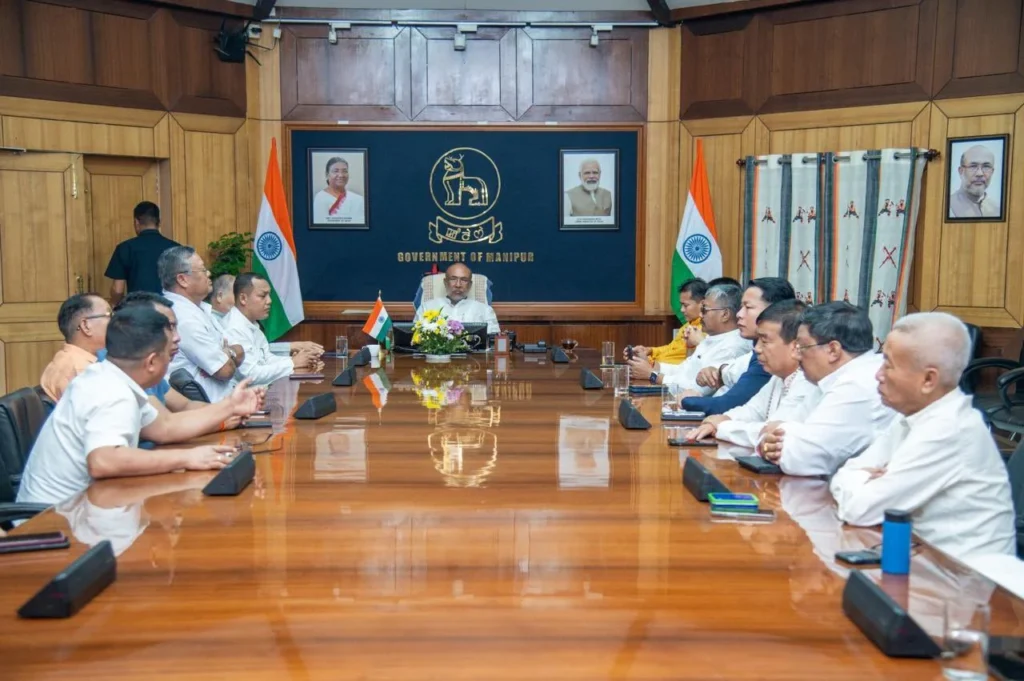
The Naga groups demand SoO abrogation issue gained renewed attention after the Native People Committee Manipur (NPCM) convened an apex meeting and called for the immediate withdrawal of the Suspension of Operation (SoO) agreement with Kuki militant groups. Moreover, the organization urged authorities to review the existing arrangement and emphasized concerns surrounding the pact. Consequently, the development has added another dimension to ongoing discussions regarding security and peace in Manipur. Meanwhile, stakeholders continue to stress the importance of maintaining stability and addressing concerns through institutional mechanisms.
NEICC Issues Direct Justice Appeal, Condemns Brutal Killings in Urgent Statement
Naga Groups Demand SoO Abrogation During NPCM Apex Meeting
The Naga groups demand SoO abrogation position was formally articulated during an apex meeting organized by the Native People Committee Manipur. Moreover, the gathering brought together members to discuss issues related to security and the existing Suspension of Operation agreement.
The SoO arrangement has remained an important subject in the state’s political and security discourse. Furthermore, different groups have expressed varying perspectives regarding its continuation and effectiveness. As a result, the NPCM’s latest resolution has attracted attention.
The committee called for the immediate abrogation of the agreement involving Kuki militant groups. Additionally, the organization highlighted its concerns during the meeting. Therefore, the issue has once again entered public discussion.
Meanwhile, debates over security frameworks continue among various stakeholders. Similarly, organizations and community representatives often express their views through resolutions and meetings. Hence, dialogue remains a significant aspect of the process.
Although opinions differ on the matter, institutional mechanisms continue to play a central role. Nevertheless, peaceful engagement remains important.
Suspension of Operation Pact Remains a Key Subject of Discussion
The Naga groups demand SoO abrogation demand centers on the Suspension of Operation pact involving Kuki militant groups. Moreover, the agreement has long been part of efforts aimed at managing security concerns.
Security arrangements often involve periodic reviews and discussions. Furthermore, stakeholders may raise concerns and seek changes based on their perspectives. Consequently, debates surrounding such agreements are not uncommon.
The NPCM’s appeal reflects concerns expressed by the organization regarding the existing framework. Additionally, the committee has sought immediate action on the issue. Therefore, the development has become part of broader conversations on security and peace.
Meanwhile, authorities and stakeholders continue to engage with various concerns. Similarly, different groups have continued to present their positions through established forums. Hence, consultation and dialogue remain important elements.
Although differing viewpoints exist, discussions continue through constitutional and democratic channels. Nevertheless, maintaining peace remains a shared priority.
Naga Groups Demand SoO Abrogation Amid Broader Security Concerns
The Naga groups demand SoO abrogation development comes amid continuing discussions on security and stability in Manipur. Moreover, organizations and community bodies continue to express concerns regarding policies and agreements affecting the region.
Security issues often involve multiple stakeholders and perspectives. Furthermore, addressing concerns requires sustained engagement and cooperation. As a result, public statements and resolutions continue to shape the discourse.
The NPCM’s resolution reflects the organization’s position on the matter. Additionally, such developments underline the importance of communication between communities and authorities. Therefore, institutional dialogue remains essential.
Meanwhile, efforts aimed at maintaining peace and order continue. Similarly, authorities and civil society organizations emphasize the importance of stability and constructive engagement. Hence, cooperation remains a key factor.
Although sensitive issues may generate differing opinions, peaceful discussions help strengthen democratic processes. Nevertheless, continued dialogue will remain necessary.
Stability and Institutional Dialogue Continue to Be Emphasized
The Naga groups demand SoO abrogation issue highlights the significance of institutional mechanisms and peaceful engagement. Moreover, public resolutions and community discussions form an important part of democratic participation.
Dialogue allows stakeholders to communicate concerns and seek solutions. Furthermore, constructive engagement contributes to maintaining social harmony. Consequently, institutional processes continue to be emphasized.
The latest development also underscores the importance of balancing security concerns with the need for stability. Additionally, cooperation among different stakeholders remains essential. Therefore, maintaining peace and order continues to be a common objective.
Meanwhile, community organizations and authorities are expected to continue discussions on matters affecting the region. Similarly, democratic forums provide opportunities for different perspectives to be expressed. Hence, dialogue remains central to addressing complex issues.
Although challenges persist, peaceful and lawful processes provide avenues for engagement. Nevertheless, sustained communication will continue to be important.
Conclusion
The Naga groups demand SoO abrogation issue has gained attention following the Native People Committee Manipur’s apex meeting and its call for the immediate withdrawal of the Suspension of Operation pact with Kuki militant groups. Moreover, the development reflects ongoing debates regarding security arrangements and policy frameworks in Manipur. Consequently, the issue has become part of broader discussions concerning peace and stability.
The NPCM’s resolution highlights the role of community organizations in expressing concerns and participating in public discourse. Furthermore, institutional mechanisms and democratic processes remain important for addressing differing viewpoints. As a result, dialogue continues to be a crucial element in managing sensitive issues.
Looking ahead, the Naga groups demand SoO abrogation matter is likely to remain part of ongoing discussions among stakeholders. Additionally, maintaining peace and encouraging constructive engagement will remain essential priorities. Therefore, continued communication and lawful processes will play a significant role in addressing concerns and promoting stability.
FAQs
1. Why do Naga groups demand SoO abrogation?
Naga groups demand SoO abrogation because the Native People Committee Manipur has called for the immediate withdrawal of the Suspension of Operation agreement with Kuki militant groups.
2. What is the NPCM?
Moreover, the Native People Committee Manipur (NPCM) is an organization that convened an apex meeting to discuss issues concerning the SoO pact.
3. What is the Suspension of Operation agreement?
The Suspension of Operation agreement is a security arrangement involving Kuki militant groups. Consequently, it remains an important topic in Manipur’s security discussions.
4. How was the demand for abrogation made?
The demand was made through a resolution adopted during an apex meeting organized by the NPCM. Furthermore, the organization called for immediate action.
5. Why is the Naga groups demand SoO abrogation issue significant?
The issue is significant because it reflects differing viewpoints regarding security arrangements and highlights the importance of institutional dialogue and peaceful engagement.