


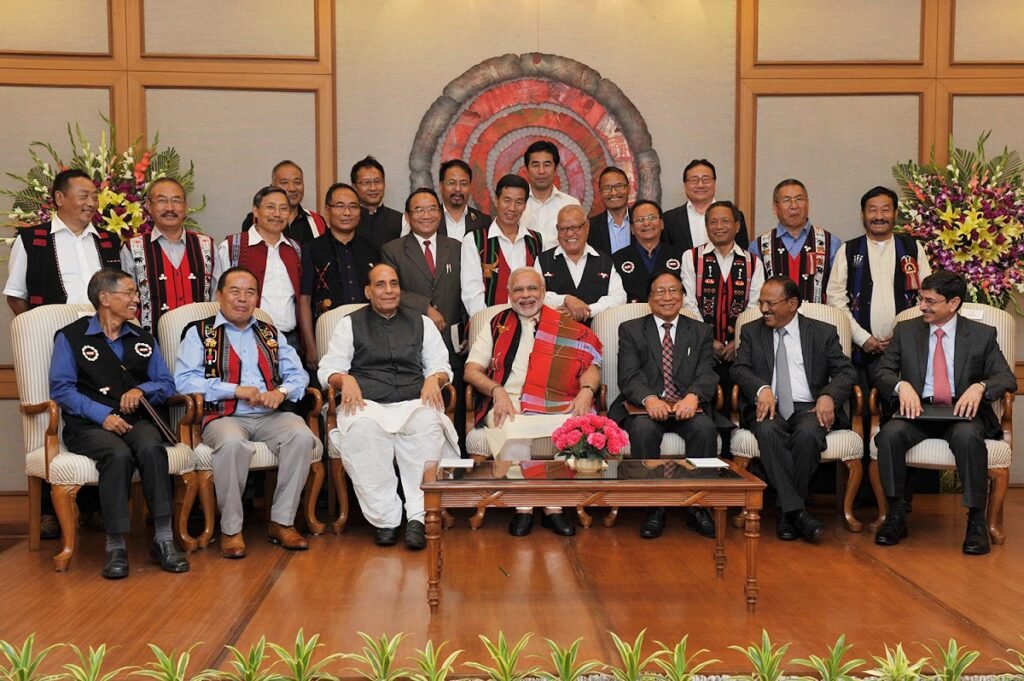
The Naga Peace Talks Settlement has returned to the centre of attention as the Nagaland government urges the Centre to expedite the final settlement with Naga political groups. The state government has stressed the importance of bringing the prolonged peace process toward a conclusion. Moreover, a final agreement could address longstanding political concerns and create greater certainty for Nagaland. The call comes as stakeholders continue to look toward a mutually acceptable solution.
Tripura House Voter Verification Set for September 15 to October 14, 2026
Naga Peace Talks Settlement Remains Key Priority
The Naga Peace Talks Settlement remains an important political issue for Nagaland and the wider Northeast. The peace process has involved negotiations between the government and Naga political groups over several years.
Moreover, the state government’s latest appeal reflects its interest in seeing the discussions move toward a final outcome.
A lasting settlement could provide greater clarity on the political and administrative future of the region. Therefore, the state government sees progress in the negotiations as important for long-term peace and stability.
Furthermore, a final agreement would require consideration of the interests and concerns raised by the participating Naga groups.
Meanwhile, the Centre continues to play a central role in the negotiations because of the broader constitutional and political issues involved.
Consequently, calls for an expedited settlement highlight the desire to move from prolonged negotiations toward implementation.
State Government Seeks Faster Central Action
The Naga Peace Talks Settlement appeal places renewed focus on the Centre’s role in advancing the negotiations. The Nagaland government has urged the central government to accelerate discussions and work toward a final agreement.
Moreover, the state government can provide an important link between national authorities and communities affected by the peace process.
Faster progress could also help reduce uncertainty surrounding the negotiations.
However, reaching a settlement involving multiple political groups requires careful discussion. Different stakeholders may hold distinct views on political arrangements, constitutional provisions and regional aspirations.
Therefore, negotiators need to balance the demand for speed with the need to develop an agreement that participants can accept.
Additionally, continued dialogue can help address differences without undermining the broader objective of peace.
Meanwhile, people across Nagaland continue to watch developments closely because the outcome could have long-term consequences for the state.
The government’s appeal consequently signals a desire to see negotiations enter a more decisive phase.
Final Accord Could Shape Nagaland’s Future
The Naga Peace Talks Settlement could have significant implications for Nagaland if the Centre and Naga political groups reach a final agreement.
Moreover, a settlement could provide a framework for addressing political aspirations while strengthening stability and development.
Peace can also create a more predictable environment for investment, infrastructure development and public administration.
Furthermore, a durable agreement could help strengthen confidence among communities and encourage greater cooperation between different stakeholders.
However, the final settlement must address complex political concerns. Negotiators therefore need to consider constitutional, administrative and cultural dimensions while working toward common ground.
Additionally, implementation will matter as much as the agreement itself. A settlement can deliver lasting benefits only when authorities and participating groups follow through on its provisions.
Meanwhile, civil society organisations and local communities can remain important stakeholders in the broader peace process.
Therefore, the government’s call for an early settlement reflects both political urgency and expectations for a stable future.
The next stages of dialogue will consequently remain closely watched across Nagaland and the Northeast.
Naga Peace Talks Move Toward Decisive Stage
The Naga Peace Talks Settlement discussion now enters another important phase as the state government presses for faster progress.
Moreover, the Centre and Naga political groups will need to maintain communication to overcome outstanding differences.
A sustained negotiating process can help stakeholders identify areas of agreement while addressing unresolved questions.
Furthermore, greater clarity about the next steps could help manage public expectations.
Meanwhile, the state government’s involvement can support coordination between national authorities and communities within Nagaland.
However, an accelerated process should still preserve meaningful consultation. A rushed settlement could create new disagreements if stakeholders do not adequately address key concerns.
Therefore, the objective should remain a comprehensive and durable agreement rather than simply a quick conclusion.
Additionally, successful implementation could become an important foundation for long-term development across the state.
Ultimately, the demand to expedite the Naga peace process reflects the continuing importance of resolving one of the Northeast’s longest-running political issues.
As discussions continue, the focus will remain on whether the Centre and Naga political groups can bridge remaining differences and reach a settlement acceptable to the major stakeholders.
Conclusion
The Naga Peace Talks Settlement remains a major priority as the Nagaland government urges the Centre to accelerate negotiations with Naga political groups. A final agreement could provide greater political clarity and strengthen long-term peace and stability. Moreover, negotiators must balance the demand for faster progress with the need for meaningful consultation and a durable framework. The coming stages will determine whether the prolonged peace process moves closer to a final settlement.
FAQs
1. What are the Naga Peace Talks?
The Naga Peace Talks refer to negotiations between the Government of India and Naga political groups aimed at resolving longstanding political issues.
2. Why is a final Naga Peace Talks Settlement important?
A settlement could provide greater political clarity and contribute to long-term peace, stability and development in Nagaland.
3. Who is being urged to expedite the peace process?
The Nagaland government has urged the Centre to accelerate negotiations toward a final settlement.
4. Why can reaching a final settlement take time?
The negotiations involve multiple stakeholders and complex political, constitutional, administrative and regional concerns.
5. What could happen after a final agreement?
Implementation would become an important next step, with authorities and participating groups expected to work toward fulfilling the agreed provisions.