


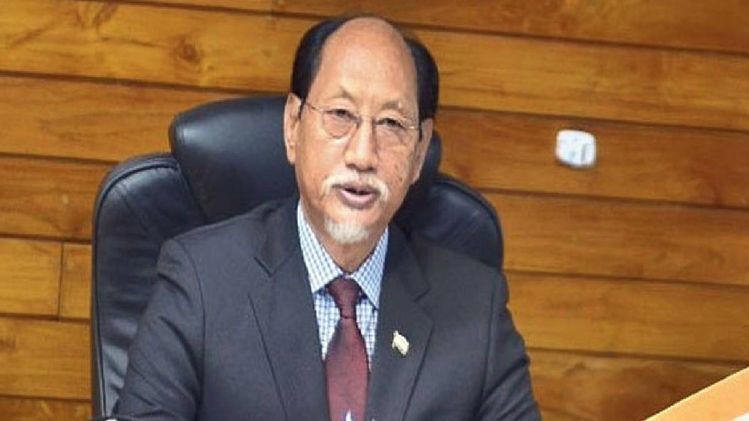
Nagaland Chief Minister Neiphiu Rio has emphasized the potential of the Nagaland handloom sector as a powerful solution to the state’s rising unemployment crisis. Speaking at a recent event, he pointed out that handloom and handicraft industries not only preserve cultural heritage but also create sustainable livelihoods for thousands of artisans. His call marks a renewed focus on developing traditional industries into modern, income-generating avenues.
Read More: PM Modi to Inaugurate Bairabi-Sairang Rail Project
Handloom as a Bridge Between Tradition and Employment
The handloom industry in Nagaland has always been deeply rooted in tradition. Communities across the state weave distinctive designs that reflect their history, culture, and identity. However, Chief Minister Rio underlined that these traditional skills must now be seen as an economic strength.
The Nagaland handloom sector can bridge the gap between heritage and modern needs. With proper support, it can provide employment to rural households, especially women and youth. By promoting weaving as both an art and a source of income, the state aims to create a strong link between preserving culture and solving unemployment.
Unlocking Opportunities Through Skill Development
One of the core challenges in addressing unemployment in Nagaland is the lack of formal job opportunities. The handloom sector offers an alternative path by turning existing skills into professional opportunities. According to CM Rio, training programs, workshops, and exposure visits will be expanded to help artisans improve their craft.
The government also plans to introduce design innovation and quality improvement initiatives. By blending traditional weaving with modern fashion trends, the Nagaland handloom sector can appeal to national and global markets. This innovation is expected to help artisans earn more and sustain themselves in the long run.
Government Support and Policy Measures
To ensure that the handloom industry becomes a strong pillar of employment, the Nagaland government is introducing targeted policies. Subsidies for raw materials, financial assistance for weavers, and easier access to credit are among the key measures being proposed.
Additionally, marketing platforms are being developed to give artisans a wider reach. Handloom fairs, online marketplaces, and tie-ups with fashion brands are expected to open new revenue streams. The Nagaland handloom sector, under CM Rio’s vision, is set to evolve from a cottage-based craft into a structured industry that supports economic growth.
Empowering Women and Rural Communities
The handloom sector in Nagaland is closely tied to women artisans who play a central role in weaving. CM Rio emphasized that promoting the industry is also about empowering women with financial independence and self-reliance. By supporting them with training, credit facilities, and market access, the government aims to uplift rural households.
Furthermore, the sector has the potential to reduce migration from villages to towns in search of work. By creating sustainable jobs at the local level, the Nagaland handloom sector can strengthen rural economies and keep traditional knowledge alive.
Expanding Markets Beyond Borders
For the handloom industry to become a long-term solution to unemployment, market expansion is crucial. CM Rio highlighted the importance of branding Nagaland’s unique designs as premium products. By positioning them in both national and international markets, artisans can gain higher returns for their work.
Export opportunities are also being explored, with the government aiming to connect local weavers with global fashion houses and cultural exhibitions. The Nagaland handloom sector’s rich patterns and eco-friendly production methods give it a competitive edge in today’s conscious consumer market.
Handloom and Sustainable Development
Another important aspect of promoting the handloom industry is its contribution to sustainability. Unlike large-scale industrial production, handloom weaving uses natural fibers and traditional methods that have a minimal environmental impact. CM Rio stressed that developing this sector aligns with global sustainability goals while creating jobs.
This eco-friendly nature of the Nagaland handloom sector also makes it attractive to younger consumers worldwide. As sustainable fashion becomes more popular, the state’s artisans stand to benefit from increasing demand.
Long-Term Vision for Nagaland’s Economy
By focusing on the handloom industry, CM Rio has outlined a vision where tradition and modern economics work together. The long-term goal is not only to reduce unemployment but also to position Nagaland as a hub of cultural entrepreneurship.
The Nagaland handloom sector is expected to complement other industries like tourism, food processing, and handicrafts. Together, these sectors can create a balanced economy where heritage-based industries generate employment while keeping local identities strong.
Nagaland’s unemployment crisis requires innovative solutions that combine tradition with opportunity. Chief Minister Neiphiu Rio’s push for the handloom sector as a key driver of growth reflects this vision. By empowering women, supporting rural communities, and expanding markets, the Nagaland handloom sector can become a vital force in solving joblessness and promoting inclusive development.
As policies take shape and markets open up, the industry has the potential to transform not just livelihoods but also the state’s position in the cultural economy of India and beyond. With sustained efforts, handloom weaving could become both a guardian of heritage and a creator of new opportunities for Nagaland’s future generations.
Read More: 5 Best Juices for Hair Growth: Amla to Beetroot Drinks