


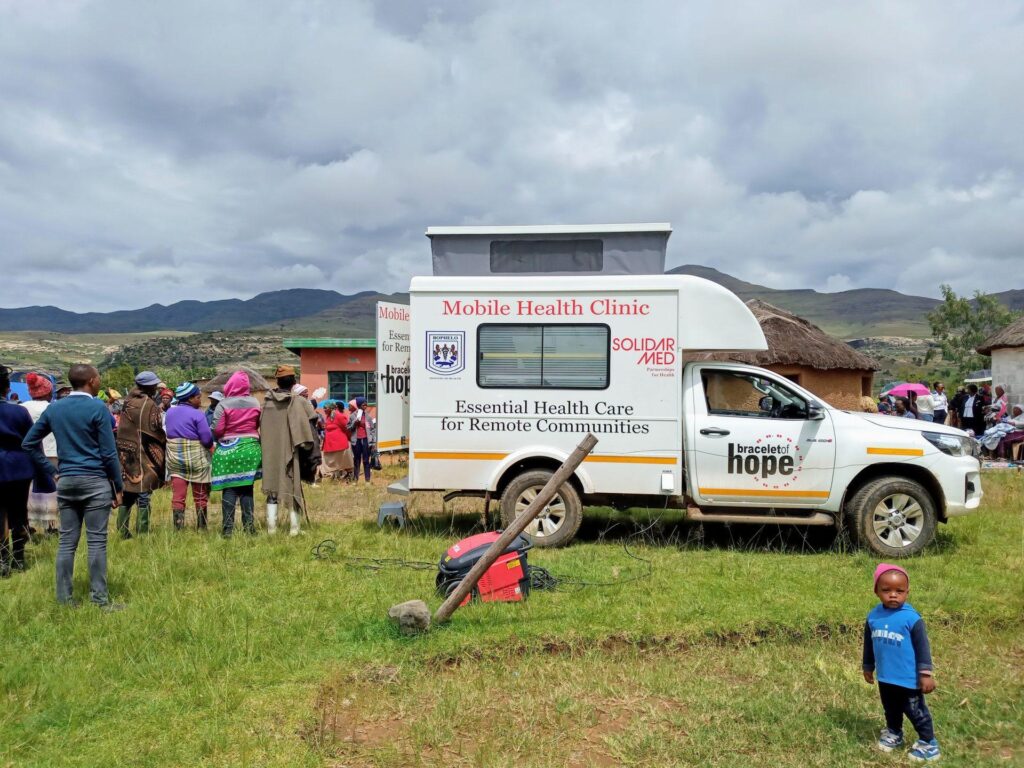
The Nagaland Health Department has launched mobile clinic vans to improve healthcare access in the state’s eastern remote districts, marking a significant step toward strengthening rural medical services. The initiative aims to deliver primary healthcare, diagnostic services, and essential medicines directly to underserved communities. Moreover, officials stated that the program is designed to reduce the gap between urban healthcare facilities and remote rural populations. The rollout reflects a broader commitment to improving healthcare outreach in difficult-to-access regions.
Assam Forest Department Uses High-Resolution Satellite Imagery to Track Elephant Migration Paths
Security Forces Rescue 115 Human Trafficking Victims From Assam; 9 Traffickers Arrested in Bihar
Mobile Healthcare Units to Reach Remote Communities
Nagaland health department launches mobile clinic vans for eastern remote districts to provide timely medical support in isolated areas. Consequently, healthcare teams will now be able to reach villages that previously had limited or no access to medical services.
The mobile vans are equipped with basic diagnostic tools, essential medicines, and trained medical staff to handle common illnesses and preventive care. Moreover, these units are designed to operate in areas with limited infrastructure and challenging terrain. Therefore, they play a crucial role in expanding healthcare coverage.
Officials emphasized that early diagnosis and treatment are essential in reducing health risks in rural populations. Furthermore, regular visits by mobile clinics will help monitor chronic conditions. As a result, healthcare outcomes in remote districts are expected to improve.
Meanwhile, coordination between district health offices and mobile units is being strengthened. Consequently, service delivery is becoming more structured and consistent.
Strengthening Primary Healthcare Delivery
Nagaland health department launches mobile clinic vans for eastern remote districts as part of efforts to strengthen primary healthcare systems. Moreover, rural communities often face barriers such as distance and lack of transport. Therefore, mobile clinics offer a practical solution.
The initiative focuses on providing maternal care, child health services, vaccinations, and basic treatment. Consequently, preventive healthcare measures are expected to reach a larger population. Such services are essential for improving public health indicators.
Furthermore, awareness programs on hygiene, nutrition, and disease prevention will be conducted during visits. As a result, community health education is expected to improve.
Meanwhile, health workers are being trained to manage mobile healthcare operations efficiently. Similarly, supply chains for medicines and equipment are being reinforced.
Improving Healthcare Access in Difficult Terrain
The Nagaland health department launches mobile clinic vans for eastern remote districts to address challenges posed by geography and infrastructure limitations. Moreover, many villages in eastern districts are located in hilly and hard-to-reach areas. Therefore, mobile healthcare delivery is particularly important.
Officials stated that the vans are designed to operate in remote conditions and reach populations that cannot easily access hospitals. Consequently, healthcare equity is expected to improve. Such initiatives help bridge regional disparities.
Furthermore, periodic schedules are being developed to ensure consistent coverage of all target villages. As a result, continuity of care is being strengthened.
Meanwhile, monitoring systems are being introduced to track service delivery and patient outcomes. Similarly, feedback mechanisms are being developed for improvement.
Enhancing Public Health Outreach and Awareness
The initiative reflects Nagaland’s broader efforts to improve public health outreach in rural and underserved regions. Moreover, awareness plays a key role in preventive healthcare. Therefore, mobile clinics also serve as platforms for education.
Officials highlighted that regular engagement with communities can help identify health issues early. Consequently, timely interventions can reduce complications. Such efforts contribute to better long-term health outcomes.
Furthermore, collaboration with local leaders and community groups is being encouraged. As a result, participation in health programs is expected to increase.
Meanwhile, additional healthcare infrastructure improvements are being considered for remote districts. Similarly, expansion of mobile services may be planned in the future.
Conclusion
Nagaland health department launches mobile clinic vans for eastern remote districts, marking an important step in improving healthcare accessibility and equity. Moreover, the initiative is expected to bring essential medical services directly to underserved populations.
The program highlights the importance of mobile healthcare solutions in overcoming geographical barriers. Therefore, it represents a significant advancement in rural health service delivery.
As the Nagaland health department launches mobile clinic vans for eastern remote districts, the effort underscores a strong commitment to inclusive and accessible healthcare for all communities.
FAQs
1. What has the Nagaland Health Department launched?
Mobile clinic vans for remote districts.
2. What services will the vans provide?
Basic healthcare, diagnostics, medicines, and preventive care.
3. Why are mobile clinics important?
They improve access to healthcare in remote and difficult areas.
4. Which areas are targeted?
Eastern remote districts of Nagaland.
5. What is the main goal of the initiative?
To improve healthcare access and reduce rural-urban health gaps.