


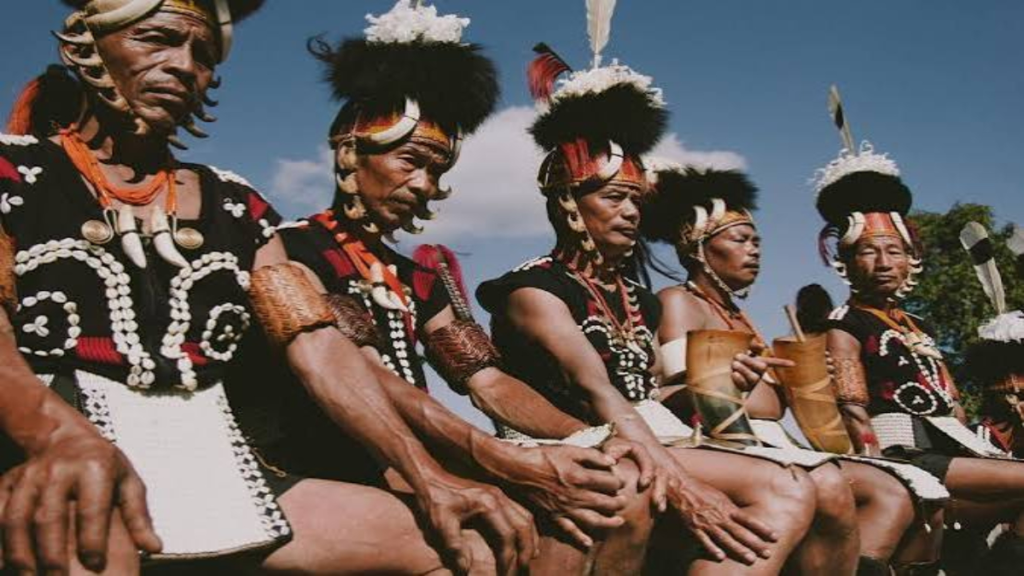
Nagaland tribal bodies have raised concerns over the proposed privatisation of Kisama Heritage Village, the permanent venue of the annual Hornbill Festival. The debate comes as the state government moves ahead with plans to develop the heritage complex through a public-private partnership (PPP) model.
The proposal has drawn attention to the future management of a site that represents Naga culture, traditions and identity. However, the details of the concerns attributed to tribal organisations require further confirmation from their official statements.
Nagaland tribal bodies and the Kisama PPP plan
Nagaland Chief Minister Neiphiu Rio confirmed on October 13 that the proposed public-private partnership model for Kisama Heritage Village was progressing. He said the government was preparing tender documents for the process.
The announcement came during a meeting of the state’s High Power Committee, which reviewed preparations for the 27th edition of the Hornbill Festival. The meeting brought together officials from various departments to assess arrangements for the December event.
The proposed partnership forms part of a broader effort to develop Kisama beyond its annual role as a festival venue. Moreover, the state government has indicated an interest in expanding tourism activities throughout the year.
However, questions about the proposed arrangement include how the heritage complex would be managed, how local communities would participate and how cultural interests would be protected. These issues are important when considering any change in the management of a site with deep cultural significance.
Why Nagaland tribal bodies value Kisama
Kisama Heritage Village lies near Kohima and serves as the main venue for the Hornbill Festival. The complex features traditional Naga architectural structures, including morungs that represent the heritage of different tribes.
The festival brings together communities from across Nagaland through traditional dances, folk music, indigenous games, handicrafts and local cuisine. It also provides a platform for artisans, entrepreneurs and cultural performers to reach visitors from India and abroad.
Consequently, the management of Kisama involves more than maintaining buildings and organising events. The venue provides a shared space where communities present their traditions and strengthen public awareness of Naga cultural diversity.
Any proposed change in management therefore raises questions about representation and access. Tribal organisations and community representatives have an important role in discussions about how the heritage complex should operate.
At the same time, the specific positions of individual tribal bodies on the current proposal should be established through verified statements rather than assumed from their cultural responsibilities.
Nagaland tribal bodies and cultural safeguards
The proposed privatisation of Kisama highlights the need to balance tourism development with cultural preservation. A private operator could potentially support maintenance, visitor services and infrastructure, depending on the terms of the final agreement.
However, the arrangement would also need clear safeguards to protect the cultural character of the heritage village. These could include transparent management rules, consultation with tribal organisations and continued opportunities for local communities to participate in cultural activities.
Furthermore, the terms of any partnership would help determine how the government oversees operations and protects public interests. The tender documents are therefore an important part of the process.
Details about the proposed operator, financial arrangements, management responsibilities and community consultation would help the public assess the plan. Until these details become available, the final structure of the partnership remains unclear.
Hornbill Festival adds urgency to the debate
The proposed management changes come as Nagaland prepares for the 27th Hornbill Festival, scheduled for December 1 to 10, 2026. The annual event is one of the state’s most prominent cultural and tourism attractions.
During a review meeting at Kisama, Rio said departments had submitted their preparedness reports. He also stressed coordination among officials to ensure a smooth experience for visitors.
Meanwhile, the government faces infrastructure challenges on the road leading to the venue. A landslide on August 13 damaged a stretch of National Highway-29 between Kisama and Phesama, raising concerns about access.
Rio has assured that access to the festival venue would be maintained. He also said he would convene another meeting to examine the road situation in greater detail.
These preparations highlight the need to address immediate logistical requirements alongside longer-term plans for the heritage complex.
Nagaland tribal bodies seek clarity on Kisama’s future
The debate over Kisama’s proposed privatisation places cultural preservation, tourism development and community participation at the centre of the discussion.
The state government has indicated that the PPP process is moving forward, with tender documents under preparation. However, the precise terms of the arrangement and the extent of consultation with tribal organisations remain important areas for public scrutiny.
A transparent process could help clarify the responsibilities of the government and any future private operator. It could also establish how communities would retain meaningful involvement in decisions affecting their cultural heritage.
Ultimately, Kisama’s future will depend on how effectively development plans balance economic opportunities with the traditions the site represents. As preparations for the Hornbill Festival continue, further details about the proposed partnership will be important in understanding how the government intends to manage this balance.
Tripura: Pradyot Kishore Demands Strict Action Over Alleged Racial Remarks Against Youth