


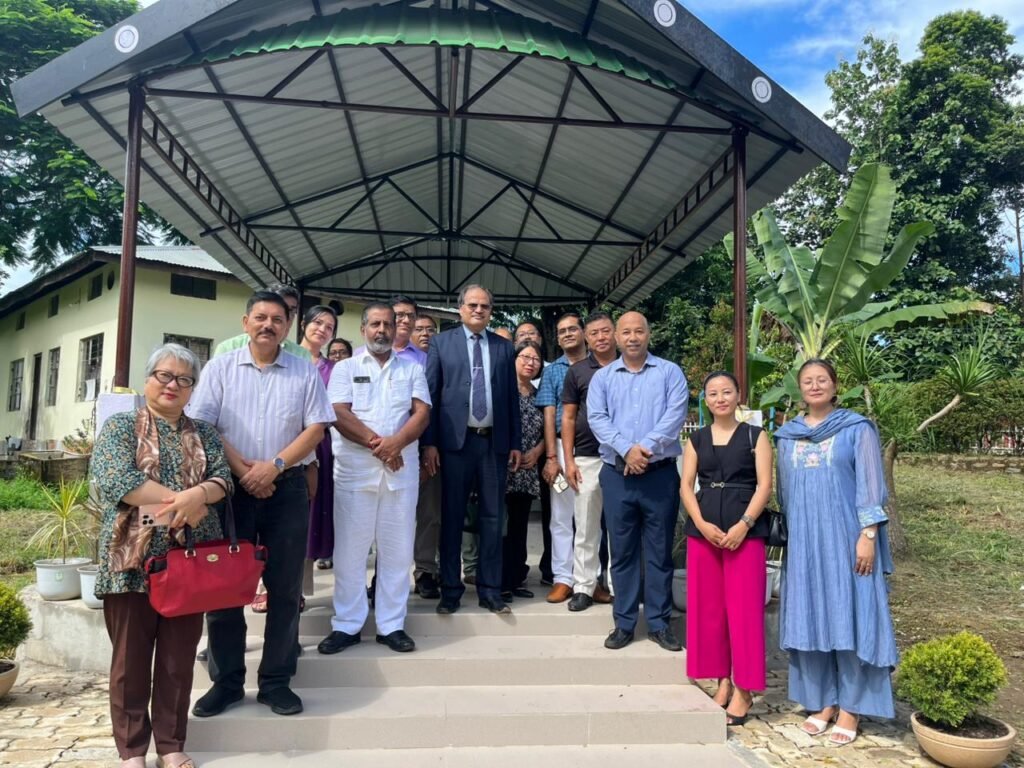
The Nagaland University Campus Expansion has marked a significant step in strengthening academic and research infrastructure in the state. Nagaland University inaugurated six new facilities at its School of Agricultural Sciences (SAS), Medziphema Campus, on September 3, 2026. The new infrastructure covers academic, agricultural, research and student-oriented needs. Moreover, the facilities aim to provide students and researchers with stronger opportunities for practical learning, experimentation and innovation.
Tripura House Voter Verification Set for September 15 to October 14, 2026
Nagaland University Campus Expansion Boosts Infrastructure
Nagaland University inaugurated the new facilities in the presence of Vice-Chancellor Prof. Jagadish K. Patnaik, faculty members, administrative officials, staff and students. The inauguration focused on strengthening the university’s academic environment and expanding opportunities for practical education.
The new infrastructure includes two Experiential Learning Programme (ELP) units under the Departments of Horticulture and Livestock Production and Management. These units can give students greater exposure to practical activities alongside their classroom studies.
Furthermore, the university opened a Modern Piggery Project and Feed Production Units at its Medziphema and Kohima campuses. The Kohima Feed Production Unit received its inauguration virtually, while officials inaugurated the other facilities during the programme.
The developments therefore extend beyond conventional classroom infrastructure. They focus on practical training, agricultural research and skill development, particularly in areas connected with agriculture and allied fields.
New Facilities Strengthen Agricultural Research
Agricultural education forms an important part of the new Nagaland University Campus Expansion. The Modern Piggery Project and Feed Production Units can support practical training in livestock production and feed management.
Moreover, these facilities can help students understand scientific approaches to agriculture through direct learning experiences. Instead of relying only on theoretical lessons, students can gain exposure to practical applications and field-based activities.
The university also inaugurated a Horticulture Research Laboratory. The facility can provide additional infrastructure for research and experimentation in horticulture.
Additionally, the new facilities can encourage greater collaboration between teaching, research and extension activities. This approach can help students connect academic knowledge with real-world agricultural challenges.
The university expects the infrastructure to create more opportunities for experimentation, skill development and research. Consequently, the expansion can contribute to the broader development of agricultural education and research at the university.
Nagaland University Campus Expansion Supports Students
The new development also includes facilities focused on student development and cultural identity. The university inaugurated a Naga Morung and a Sports Complex as part of the campus infrastructure expansion.
The Naga Morung can contribute to cultural activities and help preserve awareness of Nagaland’s distinctive cultural heritage. Therefore, the facility adds a cultural dimension to the university’s academic development.
Meanwhile, the Sports Complex can support students’ physical activities, recreation and overall well-being. Universities increasingly recognise the importance of balancing academic achievement with broader student development.
Furthermore, these facilities can create additional spaces for students to participate in activities outside the classroom. Such opportunities can contribute to a more comprehensive campus experience.
The university’s expansion therefore combines academic, research, agricultural, cultural and recreational infrastructure. This broad approach can help create a more supportive environment for students and researchers.
University Targets Stronger Research and Academic Excellence
Vice-Chancellor Prof. Jagadish K. Patnaik highlighted the university’s ambitions to strengthen research, innovation and academic excellence. He also expressed the institution’s aim of achieving higher rankings for the School of Agriculture and Nagaland University as a whole.
The new infrastructure can support those ambitions by providing researchers with additional facilities and students with more opportunities for hands-on learning.
Moreover, stronger infrastructure can help universities expand research activities and encourage innovation. Practical facilities can also support academic projects and field-based studies in agriculture and allied areas.
The inauguration marks another step in Nagaland University’s efforts to strengthen its campuses. Therefore, the latest facilities could play an important role in improving teaching, research, innovation, extension and student development.
At the same time, the university’s focus on research and publications indicates a wider effort to build academic excellence. Consequently, the new infrastructure could contribute to the institution’s long-term academic goals.
Conclusion
The Nagaland University Campus Expansion has added six new academic, research, agricultural and student-oriented facilities at the School of Agricultural Sciences, Medziphema Campus. The Modern Piggery Project, Feed Production Units, Horticulture Research Laboratory, Experiential Learning Programme units, Naga Morung and Sports Complex will broaden opportunities for practical learning and student development. Moreover, the expansion supports Nagaland University’s wider goal of strengthening research, innovation and academic excellence.
FAQs
1. What did Nagaland University inaugurate at Medziphema Campus?
Nagaland University inaugurated six new academic, research, agricultural and student-oriented facilities at its School of Agricultural Sciences.
2. When did Nagaland University inaugurate the new facilities?
The university inaugurated the facilities on September 3, 2026.
3. What facilities are included in the Nagaland University Campus Expansion?
The development includes two ELP units, a Modern Piggery Project, Feed Production Units, a Horticulture Research Laboratory, a Naga Morung and a Sports Complex.
4. How will the new facilities benefit students?
The facilities can provide students with greater opportunities for hands-on learning, experimentation, skill development and practical training.
5. What are Nagaland University’s broader academic goals?
The university aims to strengthen research, innovation and publications while pursuing higher rankings for its School of Agriculture and the university overall.