


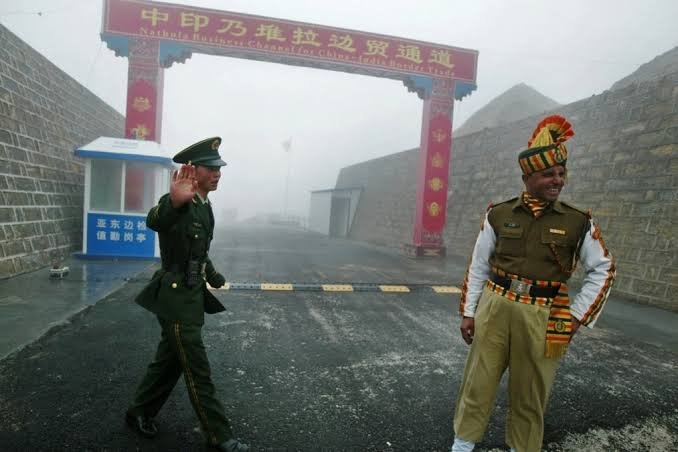
The Nathu La Border Trade Reopening marks a significant development for Sikkim as India-China border trade resumes through the Nathu La Pass after a six-year closure. The reopening restores an important traditional trade route and creates renewed opportunities for commercial activity along the Sikkim-Tibet border.
Lumding Badarpur Rail: Digital Signalling Upgrades Complete, Cutting Travel Time by 40 Minutes
The Nathu La Border Trade Reopening carries economic and strategic significance for Sikkim and the wider Northeast. Moreover, the route has historically supported regulated cross-border commerce between communities on both sides of the Himalayan frontier.
The reopening follows a prolonged suspension that disrupted established trading arrangements. Therefore, the return of trade could provide relief to traders and communities that depend on border commerce.
The development also comes amid continued efforts to maintain stable border mechanisms between India and China. Additionally, the resumption of regulated trade can support local economic activity while operating within established security and customs procedures.
Nathu La Border Trade Reopening Restores Traditional Commerce
The Nathu La Border Trade Reopening brings back commercial activity through one of Sikkim’s most important border crossings.
Moreover, Nathu La has long served as a recognised trade route between India and the Tibet Autonomous Region of China. Consequently, reopening the route can reconnect traders and revive economic activity that remained suspended during the closure.
Border trade operates under designated regulations and approved categories of goods. Therefore, the resumption does not mean unrestricted commerce but rather a return to regulated cross-border trading arrangements.
The reopening can also benefit businesses and service providers associated with transportation and border commerce. Furthermore, renewed activity could create opportunities for local communities in surrounding areas.
Nathu La Border Trade Reopening Supports Sikkim’s Economy
The Nathu La Border Trade Reopening could provide an economic boost to communities connected to the trading route.
Additionally, border commerce can generate demand for transportation, logistics, accommodation, food services, and other supporting activities. Meanwhile, traders can regain access to a market that remained unavailable during the prolonged closure.
The return of trade may also encourage greater commercial activity around designated trading centres. Consequently, local businesses could benefit from increased movement during the authorised trading season.
However, the scale of the economic impact will depend on the volume of trade, the categories of permitted goods, operating schedules, and conditions at the border.
Nathu La Border Trade Reopening Has Strategic Significance
The Border Trade Reopening also carries significance beyond its immediate economic impact.
Moreover, regulated border commerce can provide an additional channel for maintaining people-to-people and commercial links between border communities. Therefore, the reopening can form part of wider efforts to manage cross-border engagement through established mechanisms.
Security and customs authorities will continue to play an important role in monitoring trade activity. Furthermore, traders must comply with applicable documentation, customs requirements, and restrictions on permitted goods.
The reopening also demonstrates the importance of maintaining infrastructure at high-altitude border crossings. Extreme weather and difficult terrain can affect transportation and trading operations, making logistical preparedness essential.
Conclusion
The Border Trade Reopening marks an important development as India-China border trade resumes through Sikkim’s Nathu La Pass following a six-year closure.
Furthermore, the reopening can restore traditional commercial links, support local businesses, and create renewed economic opportunities for communities connected to the trade route. At the same time, regulated procedures and security arrangements will remain essential.
Overall, the Border Trade Reopening represents a notable step in reviving cross-border commerce through Sikkim while strengthening the region’s role in India’s wider Himalayan trade network.
FAQs
1. What is the Nathu La Border Trade Reopening?
The Nathu La Border Trade Reopening refers to the resumption of regulated India-China border trade through Nathu La Pass in Sikkim after a six-year closure.
2. Where is Nathu La Pass located?
Nathu La Pass lies in Sikkim along India’s border with China’s Tibet Autonomous Region.
3. Why is Nathu La important for Sikkim?
The pass has historical importance as a cross-border trade route and can support economic activity in communities connected to the trading network.
4. Does reopening mean unrestricted border trade?
No. Cross-border trade remains subject to authorised goods, customs procedures, documentation, security checks, and applicable regulations.
5. How could reopening benefit local communities?
Renewed trade can create activity for traders, transport operators, logistics providers, and businesses that support commercial movement around the border area.