


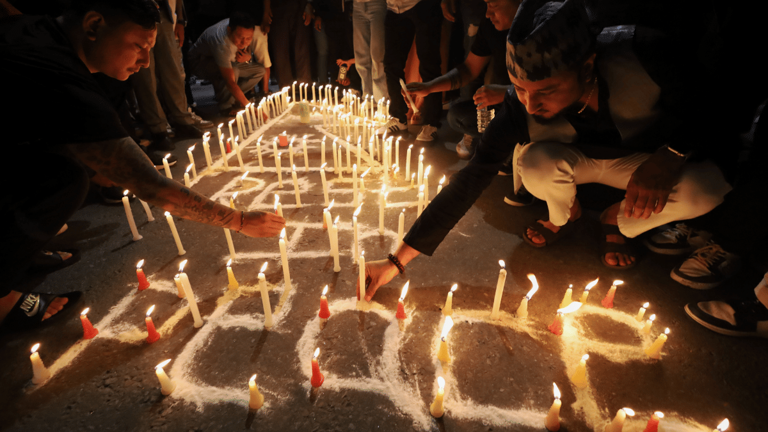
The Nepal government has declared two new public holidays to commemorate Gen Z Day and remember the victims of a devastating flood tragedy, but the decision has drawn criticism from different sections of society.
The government announced the holidays as part of its effort to recognise events that have had a significant impact on the country and its people. However, the move has also triggered a debate over whether declaring additional public holidays is the most appropriate way to honour the victims and acknowledge the concerns surrounding the events.
The decision has attracted attention across Nepal, with critics questioning the government’s priorities and the timing of the announcement.
Nepal Declares Holiday for Gen Z Day
The Nepal government has declared a public holiday to mark Gen Z Day.
The observance aims to recognise the role and concerns of Nepal’s younger generation.
Young people have increasingly played an important role in social discussions and public movements. Their voices have also become more prominent in conversations about employment, education, governance and the future of the country.
The decision to establish Gen Z Day as a public holiday reflects an attempt to formally recognise the younger generation.
Supporters of the move believe that a dedicated observance can encourage greater attention to issues affecting young people.
It may also provide an opportunity to discuss the aspirations and challenges faced by Nepal’s youth.
However, the decision has not received universal support.
Critics have questioned whether a public holiday can effectively address the concerns that many young people continue to raise.
Holiday Also Announced to Remember Flood Tragedy
The government has also declared another public holiday to commemorate the victims of a major flood tragedy.
The floods caused widespread destruction and deeply affected communities.
Families lost loved ones, while many others faced damage to homes, infrastructure and livelihoods.
The new observance aims to remember those who lost their lives during the disaster and acknowledge the suffering experienced by affected communities.
Natural disasters remain a major concern for Nepal because of its geography and vulnerability to extreme weather events.
Floods and landslides regularly affect communities during periods of heavy rainfall.
The tragedy has once again highlighted the importance of disaster preparedness and resilient infrastructure.
Government Faces Criticism Over Decision
The announcement of the two new public holidays has drawn criticism from several quarters.
Critics have questioned whether the government should have focused on concrete policy measures instead of adding more holidays to the national calendar.
Some have argued that the government must address the underlying issues connected to both the younger generation and disaster-affected communities.
For Gen Z, these concerns include employment opportunities, education, economic prospects and participation in decision-making.
For flood victims and affected communities, the focus remains on disaster preparedness, relief, rehabilitation and long-term recovery.
Critics believe that symbolic recognition should be accompanied by practical action.
The government has therefore faced questions over whether the declaration of public holidays will lead to meaningful changes.
Debate Over Symbolic Recognition and Practical Action
The controversy has created a wider discussion about the role of public holidays in recognising important events.
Public holidays can preserve collective memory and encourage people to reflect on significant moments in a country’s history.
They can also honour communities, movements and victims of tragedies.
However, critics argue that remembrance alone cannot solve the challenges associated with these events.
Young people continue to face economic and social concerns.
Flood-affected communities continue to need support and protection from future disasters.
The debate therefore centres on whether symbolic recognition should be supported by stronger policy measures.
Many observers believe that the government must combine remembrance with action.
This could include programmes that create opportunities for young people and stronger measures to improve disaster management.
Gen Z Concerns Remain in Focus
The decision to establish Gen Z Day has brought renewed attention to the concerns of Nepal’s younger generation.
Young people form an important part of the country’s population and future workforce.
Their expectations regarding employment, education and economic opportunities remain central to public discussions.
Many young people also want greater participation in decision-making processes.
Digital platforms have provided younger generations with new ways to express their views and organise around issues that affect them.
The government’s recognition of Gen Z Day could create a platform for greater discussion.
However, critics argue that the observance must lead to meaningful engagement.
They have called for policies that address the challenges faced by young people.
Flood Tragedy Highlights Nepal’s Disaster Vulnerability
The new holiday remembering the flood tragedy has also drawn attention to Nepal’s vulnerability to natural disasters.
Heavy rainfall can cause flooding and landslides across different parts of the country.
These disasters can destroy homes, damage infrastructure and disrupt livelihoods.
Communities in vulnerable areas often face repeated risks during the monsoon season.
The government has faced increasing pressure to improve early warning systems and strengthen disaster preparedness.
Better infrastructure and faster emergency responses can help reduce the impact of future disasters.
The public holiday will provide an opportunity for national remembrance.
However, critics have stressed that the government must also focus on preventing future tragedies and improving support for affected communities.
Public Reaction Remains Divided
Public reaction to the announcement has remained divided.
Some people have welcomed the government’s decision to formally recognise the younger generation and remember victims of the flood tragedy.
They believe public observances can play an important role in preserving collective memory.
Others have questioned the need for additional public holidays.
Critics argue that the government should focus on economic and social reforms instead.
The disagreement reflects a broader debate over government priorities.
The criticism has also placed greater attention on the policies that will follow the announcement.
People will closely watch whether the government introduces additional measures to address youth concerns and strengthen disaster preparedness.
Government Faces Pressure to Deliver Concrete Results
The declaration of Gen Z Day and the flood tragedy holiday has created expectations for further government action.
The government will face pressure to demonstrate that the decision represents more than symbolic recognition.
For young people, this could mean greater employment opportunities and stronger support for education and entrepreneurship.
For disaster-affected communities, it could mean improved relief, rehabilitation and long-term disaster preparedness.
The government may also face calls to explain how it selected the two occasions and how the observances will contribute to national development.
As criticism continues, the focus will remain on the government’s next steps.
Nepal’s New Holidays Spark National Debate
The Nepal government’s decision to declare two new public holidays has opened a wider debate about remembrance, recognition and public policy.
The move aims to acknowledge Gen Z and honour the victims of a devastating flood tragedy.
However, criticism has highlighted the need for practical measures alongside symbolic gestures.
A public holiday can encourage national reflection, but it cannot by itself address unemployment, education challenges or disaster vulnerability.
The government will now face greater expectations to turn recognition into meaningful action.
The coming months may show whether the two new observances lead to broader initiatives for young people and stronger disaster management policies.
For now, the decision has placed Nepal’s youth concerns and the memory of the flood tragedy at the centre of a growing national debate.