


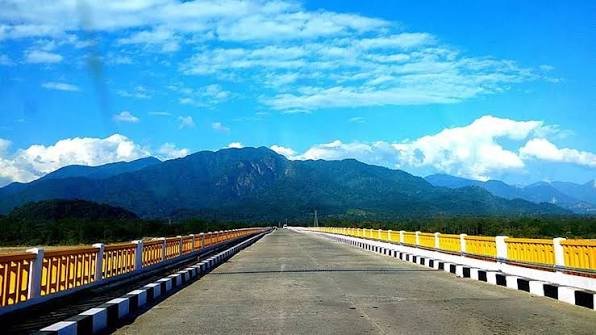
The NH-10 20th Mile Traffic situation remains under close monitoring near Bardang as the highway continues to face restrictions linked to ongoing restoration work. The stretch remains open for controlled movement, with one-way traffic arrangements helping vehicles pass through the affected section. Meanwhile, authorities continue to monitor conditions and restoration progress.
NH-10 20th Mile Traffic Remains Under Restriction
The NH-10 20th Mile Traffic advisory is important for commuters travelling between Rangpo and other parts of Sikkim. The 20th Mile stretch near Bardang has experienced repeated disruption following landslide activity and heavy rainfall.
Government officials previously inspected the affected section after continuous rainfall caused large boulders, mud and debris to accumulate along the highway. The resulting damage disrupted vehicular movement and prompted emergency restoration operations by NHIDCL in coordination with the Roads and Bridges Department.
Moreover, restoration teams have worked to clear debris and make the highway usable again. An official inspection on August 1 reported that NHIDCL had deployed 11 excavators, three JCB machines and two dozers for round-the-clock clearance operations, with the immediate objective of restoring at least one-way traffic movement.
Therefore, the current one-way arrangement represents an important step between a complete blockage and unrestricted traffic. However, commuters should still expect possible delays while work continues around the vulnerable section.
Bardang Stretch Faces Continuing Restoration Work
NH-10 20th Mile Traffic Faces Restrictions
The NH-10 20th Mile Traffic restrictions stem from difficult conditions around Bardang. The affected highway section has accumulated rocks, mud and debris following landslide activity. As a result, road users and restoration teams face challenging conditions along the stretch.
Additionally, officials have stressed that debris removal alone cannot eliminate the underlying danger. The District Collector directed agencies to examine long-term slope-stabilisation measures.
These measures include protective barriers, wire mesh and other safety structures at vulnerable locations. Such interventions could help reduce the risk of repeated debris movement.
Furthermore, officials proposed a joint monitoring committee involving engineers from the Roads and Bridges Department, NHIDCL and other agencies. The committee would oversee restoration and monitor developments along the affected stretch.
Officials also planned daily reports covering road conditions, work progress and machinery deployment. These reports can help agencies respond quickly when conditions change.
Such monitoring remains particularly important because further rainfall could trigger fresh debris movement. Consequently, authorities may change traffic arrangements depending on road conditions and restoration progress.
Authorities have also prioritised safety around the work zone. Police personnel received instructions to regulate traffic, prevent congestion and facilitate vehicle diversions whenever necessary.
NH-10 20th Mile Traffic Affects Regional Connectivity
The NH-10 20th Mile Traffic situation has wider implications because NH-10 provides a major road connection between Siliguri, Rangpo and Gangtok. Therefore, prolonged disruption around Bardang could affect commuters, commercial vehicles and essential supplies.
The importance of the route emerged during an August 6 meeting chaired by the Chief Secretary of Sikkim. Officials reviewed connectivity at the 20th Mile stretch and directed NHIDCL to take necessary steps.
The agency must clear the highway blockage while ensuring safe traffic movement. Meanwhile, the Roads and Bridges Department received instructions to keep the Samardung road motorable.
Officials identified the Samardung road as an alternative route whenever NH-10 restrictions affect normal movement. The Border Roads Organisation also received instructions to keep the Rangpo–Rorathang road open while carrying out improvement work.
Therefore, the government has combined immediate restoration with alternative-route planning. This approach can reduce pressure on NH-10 when authorities restrict traffic along the affected stretch.
The one-way arrangement also allows authorities to balance connectivity with road safety. Instead of reopening the entire carriageway before completing safety work, officials can maintain controlled access while restoration continues.
Authorities Continue Monitoring Traffic and Road Safety
The NH-10 20th Mile Traffic arrangement requires close coordination among several agencies. Road authorities, NHIDCL, police officials and district administration personnel continue to monitor restoration and traffic conditions.
Moreover, officials have emphasised continuous observation because weather conditions can change quickly. Heavy rainfall could create additional movement of rocks, mud and debris along vulnerable slopes.
Authorities have also proposed floodlights at the work site. Better lighting could allow restoration teams to continue operations safely during night hours.
Traffic regulation remains another important part of the response. Police personnel must manage vehicle movement and prevent congestion around the affected area.
Consequently, drivers may encounter controlled movement or temporary changes depending on restoration activity. Commuters should follow instructions from traffic personnel while passing through the affected stretch.
The government has also stressed the need for permanent slope-stabilisation measures. Protective barriers, slope treatment and other engineering solutions could strengthen vulnerable sections and reduce future disruption.
Meanwhile, commuters should view the one-way arrangement as a controlled traffic measure rather than a return to completely normal conditions. Road conditions can change quickly, particularly during periods of heavy rainfall.
The ongoing restoration work therefore remains important for both immediate travel and long-term regional connectivity. Once agencies complete the required safety and stabilisation measures, authorities can gradually restore more normal traffic conditions.
Conclusion
The NH-10 20th Mile Traffic situation near Bardang remains under controlled management. One-way movement currently helps maintain limited connectivity while restoration teams continue their work.
Government agencies have deployed machinery and manpower to clear debris and improve conditions along the affected stretch. However, weather-related risks continue to make monitoring and traffic regulation essential.
Therefore, commuters should follow current traffic directions and allow additional travel time while authorities continue restoration, slope protection and safety measures.
FAQs
1. What is the latest NH-10 20th Mile Traffic update?
The 20th Mile stretch near Bardang remains under controlled traffic management, with restoration efforts focused on maintaining at least one-way movement through the affected section.
2. Why was traffic restricted at 20th Mile?
Landslide activity and heavy rainfall caused boulders, mud and debris to accumulate along the highway, disrupting normal vehicle movement.
3. Is NH-10 completely closed at Bardang?
The restoration programme has focused on restoring one-way traffic rather than maintaining a complete closure. However, traffic conditions can change according to road and weather conditions.
4. What work is being carried out at 20th Mile?
NHIDCL and other agencies have been conducting debris clearance and restoration work, while officials have also examined longer-term slope-stabilisation measures.
5. Are alternative routes being maintained?
Yes. The Sikkim government directed authorities to keep the Samardung road motorable as an alternative and asked the BRO to maintain the Rangpo–Rorathang route.