


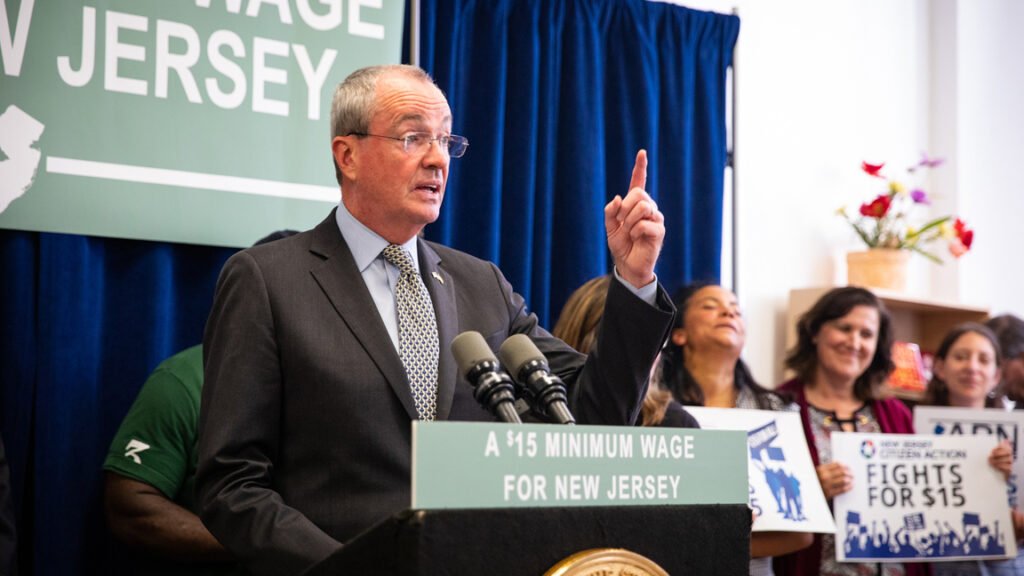
The New Jersey Minimum Wage Proposal has entered a new policy discussion as labor groups reportedly submitted proposals to link the state’s minimum wage directly to regional inflation. The approach could create an automatic mechanism for adjusting the wage floor as living costs change.
Loktak Arms Cache: Security Forces Recover Hidden Insurgent Weapons Near Manipur’s Loktak Lake
The New Jersey Minimum Wage Proposal reflects concerns about how rising prices affect low-wage workers. Moreover, an inflation-linked system could reduce the need for lawmakers to negotiate separate wage increases whenever living costs rise significantly.
Supporters of the proposal argue that automatic adjustments could help wages keep pace with changing expenses. Therefore, workers could receive more predictable increases over time if policymakers adopt the approach.
However, businesses could face higher labour costs when inflation pushes the minimum wage upward. Additionally, employers may need to adjust pricing, staffing, productivity strategies, or compensation structures to manage future increases.
New Jersey Minimum Wage Proposal Links Pay to Inflation
The New Jersey Minimum Wage Proposal would connect future minimum-wage adjustments to a measure of regional inflation.
Moreover, inflation affects household expenses such as food, housing, transportation, utilities, and other essential goods and services. Consequently, workers earning near the minimum wage can face reduced purchasing power when prices increase faster than their wages.
An indexed system could automatically account for some of these changes. Furthermore, policymakers could establish specific rules governing the inflation measure, adjustment schedule, and limits on annual increases.
The exact design of any proposal would determine how the system operates. Therefore, discussions would need to address which regional inflation indicator should apply and how frequently authorities should calculate adjustments.
New Jersey Minimum Wage Proposal Could Affect Workers
The New Jersey Minimum Wage Proposal could provide workers with greater predictability around future wage adjustments.
Additionally, automatic increases could help maintain the purchasing power of minimum-wage workers when regional living costs rise. As a result, employees could face less uncertainty about whether wages will keep pace with inflation.
The proposal could also reduce the frequency of political debates over individual wage increases. Meanwhile, workers and employers could plan more easily if future adjustments followed a clearly established formula.
However, inflation does not affect every household equally. Therefore, an indexed minimum wage would not necessarily reflect the exact cost increases faced by every worker or family.
New Jersey Minimum Wage Proposal Raises Employer Concerns
The New Jersey Minimum Wage Proposal could also create challenges for businesses, particularly employers with large numbers of minimum-wage workers.
Moreover, automatic wage increases can raise payroll expenses when inflation rises. Consequently, businesses may need to review staffing levels, prices, operating costs, or employee compensation structures.
Small businesses may face particular challenges if they have limited financial flexibility. Furthermore, higher labour expenses could affect hiring decisions in some industries.
However, businesses can also benefit from a more predictable wage-setting system. Therefore, employers could potentially incorporate scheduled inflation adjustments into longer-term financial planning rather than responding to unexpected legislative changes.
New Jersey Minimum Wage Proposal Could Reshape Wage Policy
The New Jersey Minimum Wage Proposal could influence how the state approaches future minimum-wage decisions.
Additionally, indexing wages to inflation would shift part of the wage-setting process from periodic legislative action toward an established formula. As a result, future wage changes could occur more automatically.
The policy discussion could also involve questions about regional economic conditions. Moreover, New Jersey includes areas with different housing costs, labour markets, and business conditions, which could influence debate over a single statewide adjustment mechanism.
Lawmakers and stakeholders would therefore need to evaluate the proposal carefully. Consequently, any final policy would need to balance worker purchasing power, business costs, employment considerations, and broader economic conditions.
Conclusion
The New Jersey Minimum Wage Proposal marks a new stage in the state’s wage-policy debate after labor groups reportedly submitted proposals to link the minimum wage directly to regional inflation.
Furthermore, inflation indexing could provide workers with more predictable wage adjustments while reducing the need for repeated legislative increases. At the same time, employers could face higher labour costs as prices rise.
Overall, the New Jersey Minimum Wage Proposal could significantly change how the state adjusts its minimum wage, making the structure of any future inflation-linked system an important part of the policy debate.
FAQs
1. What is the New Jersey Minimum Wage Proposal?
The New Jersey Minimum Wage Proposal refers to labor groups’ reported effort to link future minimum-wage adjustments to regional inflation.
2. Why do labor groups support inflation indexing?
Supporters argue that automatic adjustments could help minimum-wage workers maintain purchasing power as living costs increase.
3. How could the proposal affect employers?
Businesses could face higher payroll costs when inflation increases the minimum wage, although predictable adjustments could also make long-term budgeting easier.
4. Would the wage increase automatically every year?
That would depend on the final policy. An indexing system could establish automatic adjustments, but lawmakers would need to determine the formula and timing.
5. What issues could lawmakers debate?
They could consider the inflation measure, adjustment frequency, annual limits, business costs, worker purchasing power, employment effects, and regional economic differences.